My childhood backyard in Ohio was a patchwork of clover and dandelions, and I spent every summer afternoon convinced I was a botanist-in-training. That same curiosity led me to dig my hands into soil, pull weeds, and eventually start a garden that grew far beyond my expectations. Now, I run Garden Grove Care to share the lessons I’ve learned—from the first green shoots of spring to the last harvest of autumn—so anyone can find joy in cultivating their own little corner of the world.
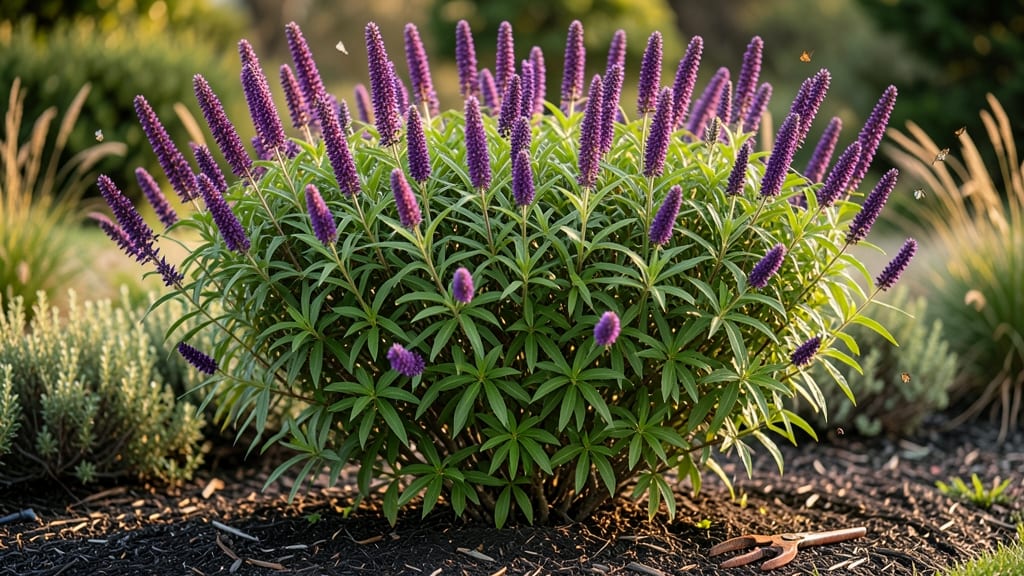
Planting a butterfly bush in your garden transforms it into a buzzing, fluttering paradise that never stops giving. 🌿 I’ve watched mine draw in monarchs, swallowtails, and hummingbirds from spring through fall—all while…
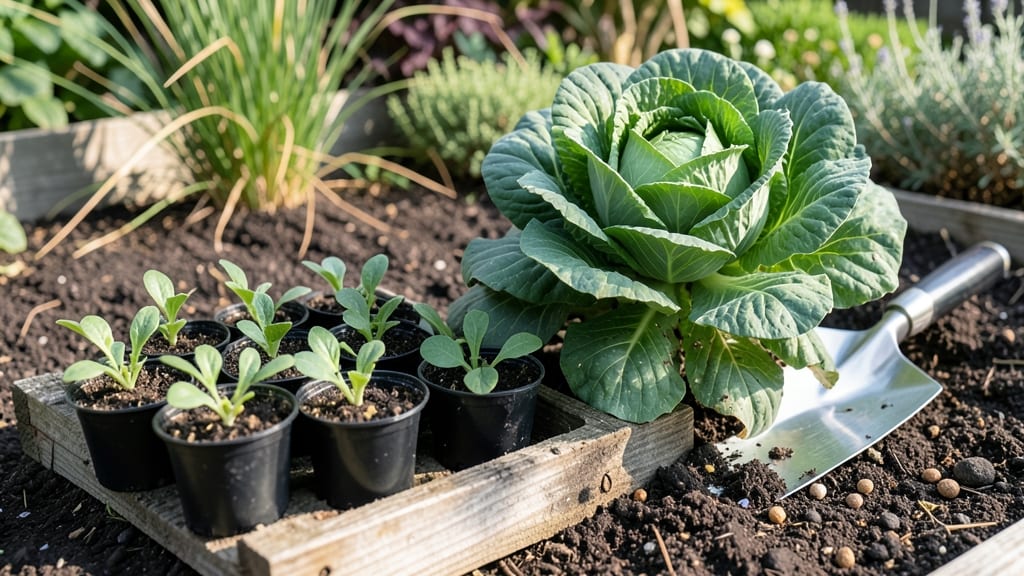
Proper cabbage garden spacing is the foundation of your harvest—pack plants too close, and you’ll end up with stunted, split heads or a fungal buffet. 🥬 Struggling with stunted cabbage heads? Proper spacing isn’t just…
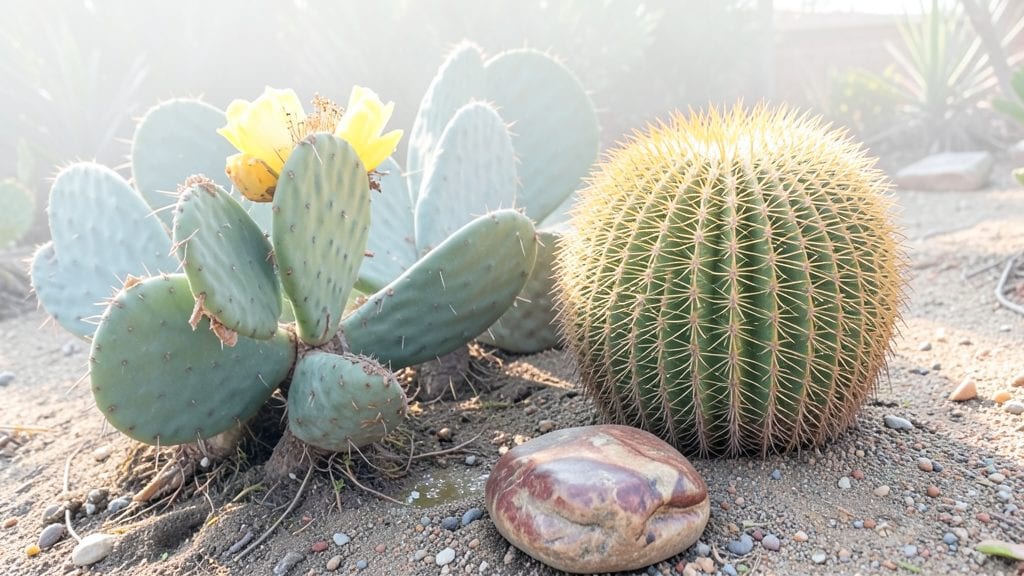
A cactus plant garden transforms bare ground into a striking desert oasis that thrives on neglect. 🌵 I’ve designed these spaces before, and the key is pairing bold cacti with the right companions—succulents, agave, or…
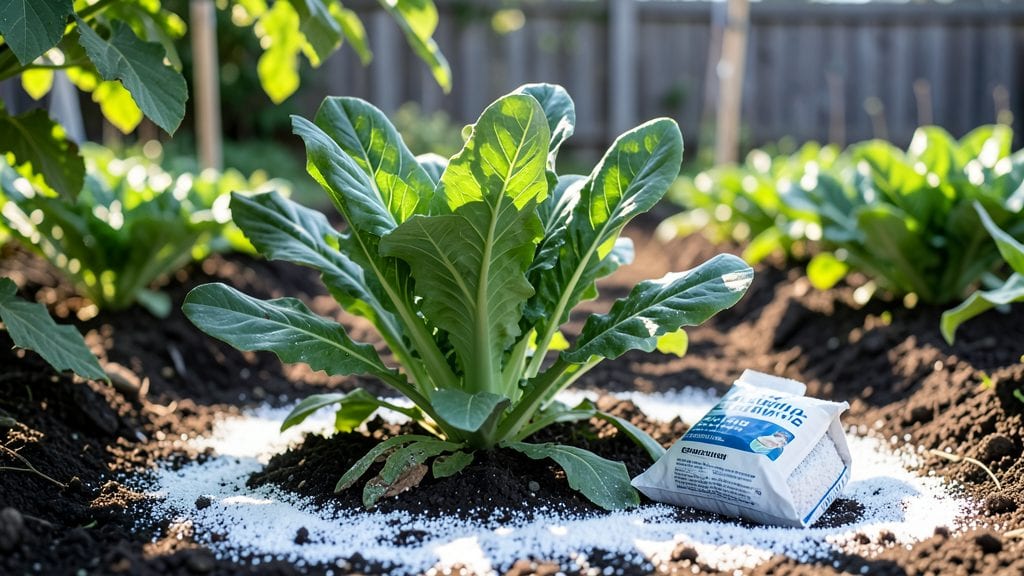
💥 Quick Answer Using calcium carbonate in gardening helps balance acidic soil by increasing pH levels, corrects nutrient imbalances like magnesium shortages, and prevents blossom end rot in tomatoes and peppers. Spread…
💥 Quick Answer Calories burned gardening range from 150-400 per hour, depending on task intensity and body weight—light tasks like weeding (150-200) burn less than heavy work like digging or hauling (350-400). A…
💥 Quick Answer Gardening burns approximately 200–400 calories per hour, depending on intensity—light tasks like weeding (200–300) and heavy labor like digging (400+)—while factors like body weight, terrain, and duration…
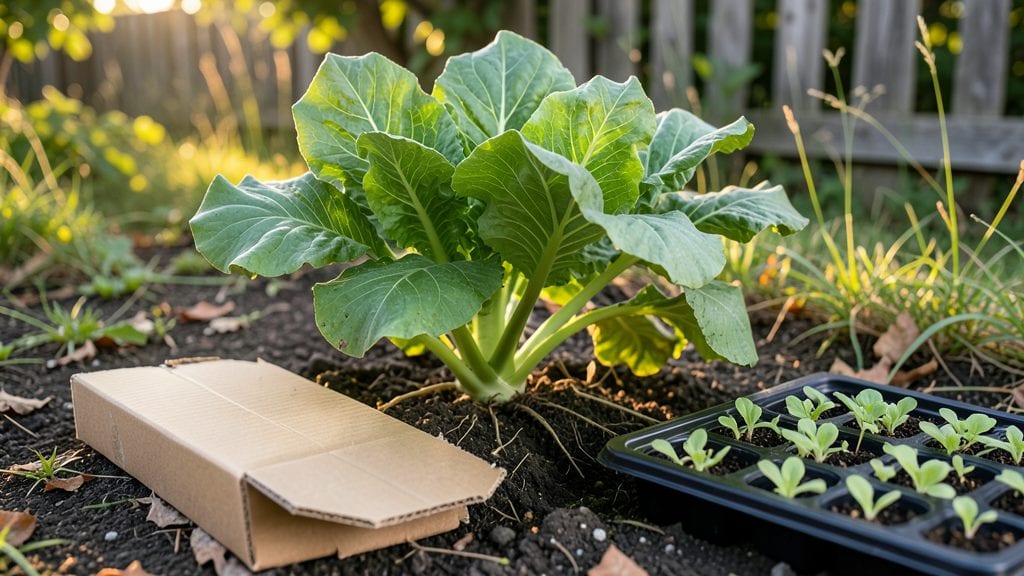
💥 Quick Answer You can use cardboard in your garden safely when it's unbleached and free of tape or staples, as it decomposes into mulch, blocks weeds, and enriches soil without harming plants or ecosystems. Cardboard…
💥 Quick Answer Getting scabies from gardening is possible but unlikely—only if contaminated soil or plants contain live mites from infected humans or animals. The real risk comes from skin-to-skin contact, not gardening…
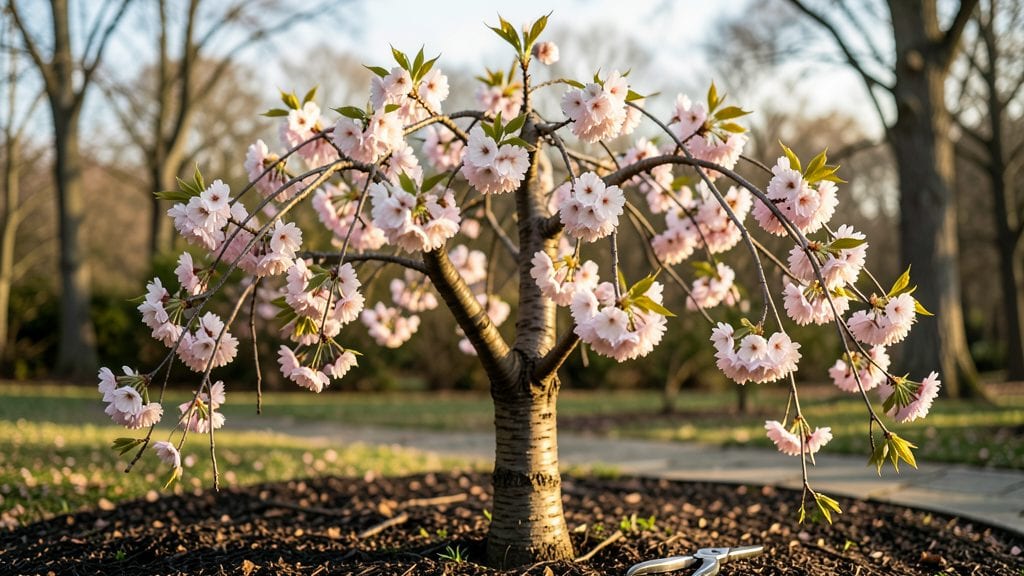
You can still get that cherry blossom magic in your garden by growing dwarf or patio-friendly varieties like Prunus serrulata ‘Kwanzan’ or Prunus × yedoensis, perfect for containers or small yards. Opt for cold-resistant…
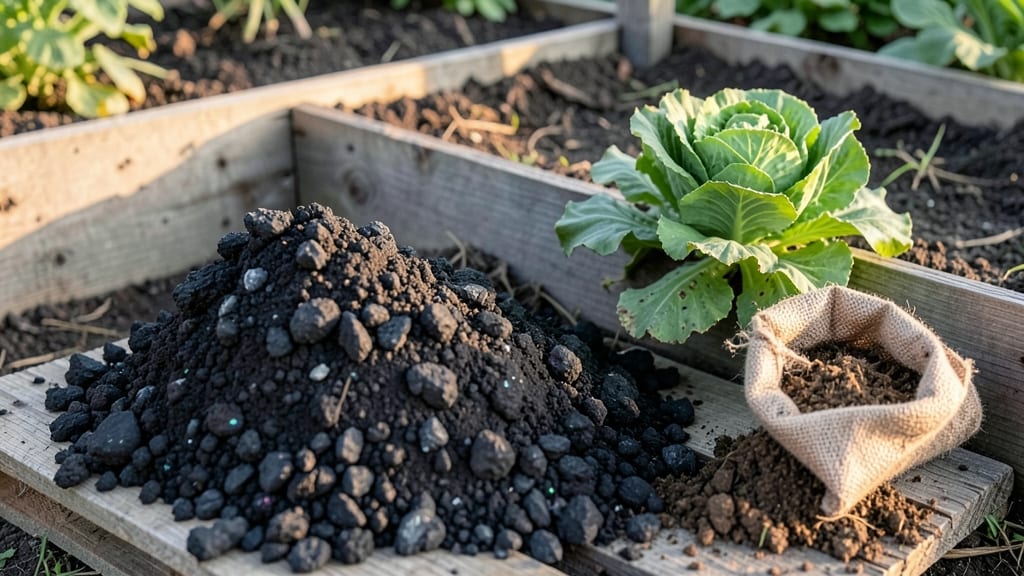
💥 Quick Answer Yes, you can use charcoal ashes in your garden safely when applied correctly, as they improve soil pH, enhance drainage, and deter weeds while adding valuable minerals like calcium and magnesium. Charcoal…