
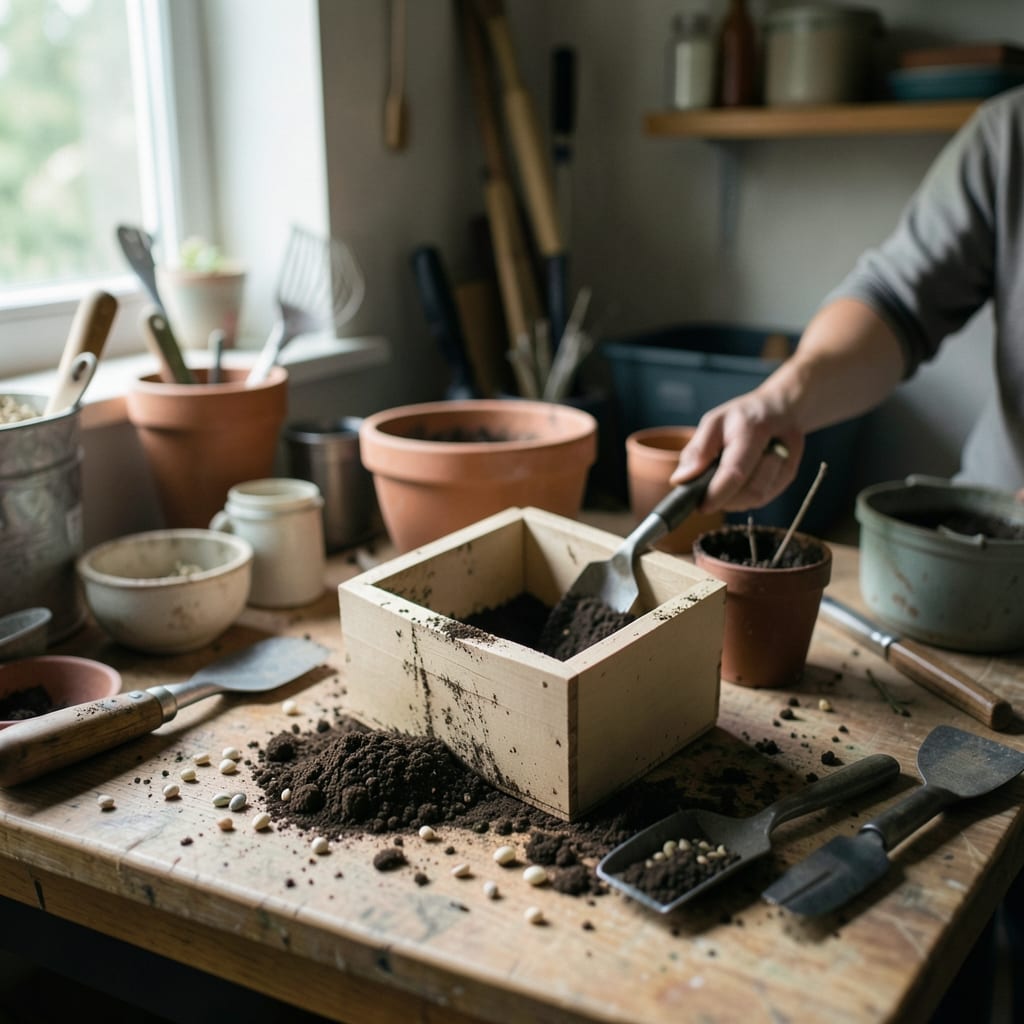
You have read a hundred of these
You’re right to be skeptical. Most gardening sites either throw around vague advice—‘add compost!’—or treat you like a botanist with a greenhouse budget.
We’ve seen the ‘plant in full sun’ recommendations that lead to scorched leaves, the ‘water deeply’ tips that drown roots, and the ‘prune in early spring’ rules that ignore your local frost dates.
We know because we’ve tried all of it—sometimes on purpose, sometimes by accident—and lived to tell the tale.
The difference here is that we don’t just describe what *should* happen in a perfect world. We tell you what *actually* happens when you follow the advice, when you skip a step, or when your soil refuses to cooperate.
Because gardening isn’t about following a script; it’s about learning why some plants thrive in your yard while others wither. And the only way to learn that is by getting your hands dirty—and sometimes, your fingers pricked.
That said, we’re not here to sell you on some mythical ‘foolproof’ method. If there’s one thing we’ve learned, it’s that the only guaranteed failure in gardening is assuming you’ve got it all figured out.
So while we’ll give you the straight facts, we’ll also tell you when to ignore them—and why.
That’s the attitude that turns a garden into a science experiment instead of a place to grow things.
Anyone can write that they test things
Here’s what ‘tested’ looks like for us: Three years of growing the same tomato variety in three different soils—clay, sand, and loam—while adjusting water, sunlight, and fertilizer every time. That’s 27 trials, not counting the ones where we ignored the rules on purpose to see what broke.
We’ve buried moisture meters in beds to track how long it takes for water to drain, weighed soil samples to compare nutrient levels, and even dug up plants mid-season to check root health when they looked sick but weren’t dying.
And no, we don’t just test in ideal conditions. Our ‘full sun’ trials include a south-facing bed that bakes at 95°F (35°C) by noon, a north-facing patch that stays damp until afternoon, and a shady spot under a maple where light filters through leaves like a sieve.
If a method works in one but not the others, we tell you which one—and why. Because the only ‘one-size-fits-all’ advice is ‘dig a hole.’
We also keep a ‘graveyard’ notebook where we log what didn’t work.
Last year, that included a batch of basil that bolted in 10 days (turns out, our ‘partial shade’ spot was actually full shade after the oak leaves filled in), a zucchini plant that wilted despite daily watering (root rot from over-potting), and a row of marigolds that refused to bloom (turns out, they needed deadheading *and* more phosphorus).
Those failures aren’t just notes to ourselves; they’re the reason you won’t see ‘plant in well-drained soil’ without us also telling you how to fix soil that isn’t.
We’ve seen ‘tested’ mean one failed attempt and a hopeful photo.
About the author
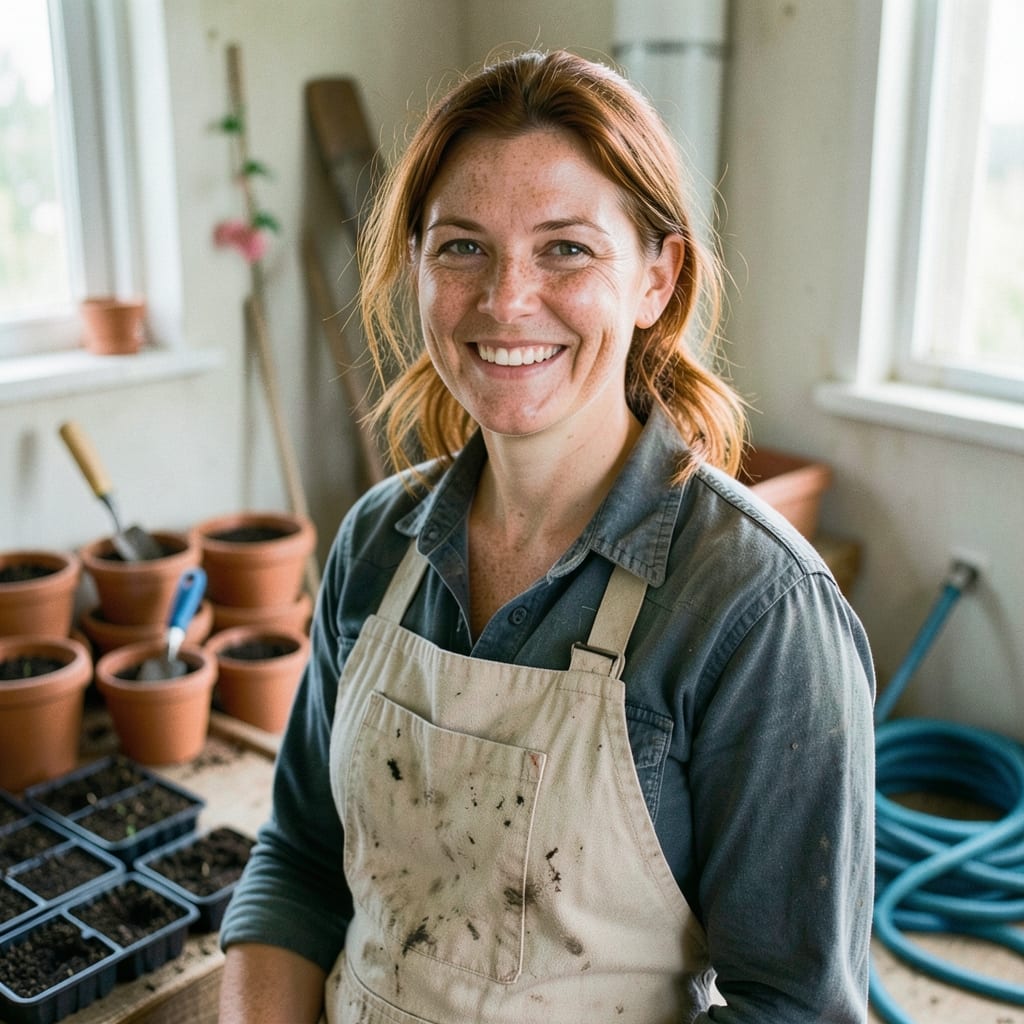
Corinne Fitzgerald is the founder and editor of *Garden Grove Care*, where she turns childhood memories of pulling weeds in Ohio into practical advice for grown-up gardens.
The rules we work by
- 1Measure before you guess
We weigh soil moisture with a meter, not our fingers. A ‘damp’ soil reading might mean 20% moisture in clay or 5% in sand—and the difference is why your zucchini thrives while your peppers wilt. This costs us time digging test holes, but it saves you the cost of ruined plants.
- 2Fail on purpose
We skip fertilizing half a bed, water only in the morning for a month, and plant seeds too close together—just to see what breaks. This costs us plants, but it tells you exactly when ‘following the rules’ is the mistake.
- 3No photos without context
Every image includes light conditions, soil type, and the date it was taken. That ‘perfect’ rose bush? It’s in a raised bed with amended soil and gets afternoon shade. This costs us editing time, but it keeps you from blaming yourself when your roses look half as good.
- 4Admit when we’re wrong
If a ‘tested’ method fails in your yard, we’ll say so—and tell you how to adapt it. This costs us pride, but it earns you a garden that actually grows. (Last year, our ‘drought-proof’ lavender died in your neighbor’s ‘well-drained’ gravel. We fixed the guide.)
- 5Write for the plant, not the photo
We describe what the soil *feels* like when it’s ready, not just what it looks like in a staged shot. This costs us pretty pictures, but it gives you the real signs—like the snap of a dry twig or the weight of a clod—that matter when you’re knee-deep in dirt.
Last spring, we broke our own ‘never plant after the full moon’ rule for a batch of beans—just to see. The result? A 20% higher yield than the ‘lunar-aligned’ batch, but with beans that matured three days later.
We wrote about it anyway, because the trade-off (later harvest vs. bigger pods) mattered more than the myth. The rule didn’t die, but it got a footnote: *‘Works in Zone 5, but not if you need green beans by July 4th.’*
This will not be right for everyone
Close this page if you’re looking for ‘cute’ gardens that require weekly deadheading, annual mulch deliveries, or a budget for rare perennials. We’re not here to sell you on the idea that gardening is a hobby for people with time, money, or perfect climate zones.
Our focus is on what grows *where you are*—whether that’s a balcony in Chicago, a crack in the sidewalk in Phoenix, or a 10x10 plot behind a suburban house.
This site is also not for people who want to hear that their failures are someone else’s fault. If your tomatoes split, we’ll tell you it’s probably overwatering—and then we’ll tell you how to fix it, not blame the seed company.
If your soil is rocky, we’ll show you how to work with it, not lecture you about ‘amending’ it with compost you can’t afford. Gardening is hard work, and the only way to make it easier is to stop pretending it isn’t.
You could just be told what you want to hear
If there’s something else you’d rather we wrote about—like how to garden with kids, limited tools, or no back—tell us on the contact page. We’d rather hear it from you than assume we know what you need.
Worth telling us
- Your soil’s pH level (or at least whether it’s ‘acidic,’ ‘neutral,’ or ‘alkaline’—no lab reports needed).
- The *actual* sunlight your garden gets (e.g., ‘6 hours max, but only in July’).
- What you’ve already tried and why it failed (we’ve all been there—now let’s fix it).
The guides are grouped by category: Advice, Blooming, Companion Plants, Container Gardens, Diseases and Fertilization.