
Tools
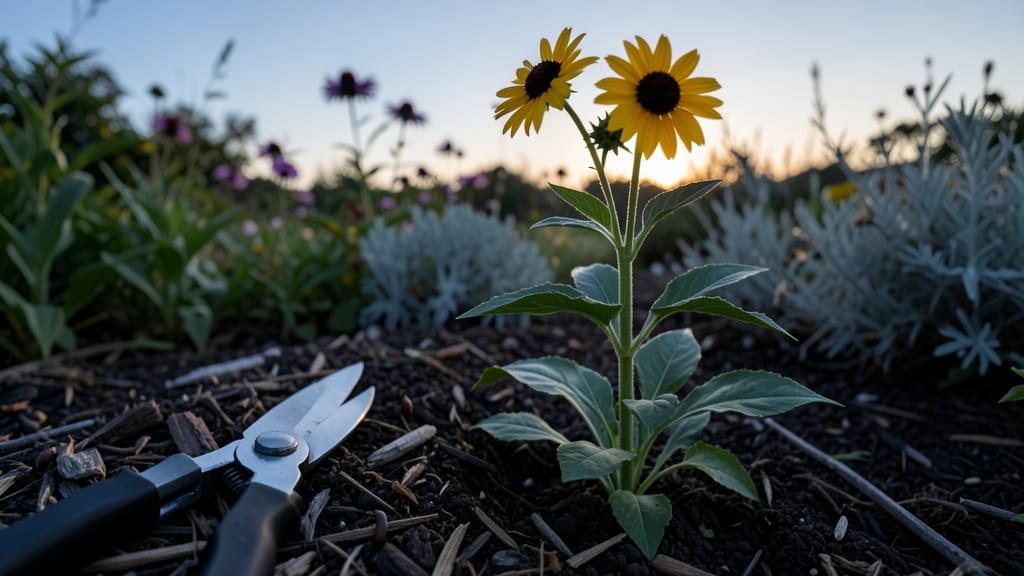
The right flower gardening tools—like precision pruners and trowels—turned deadheading roses into an art; I’ll never forget the first time I used them. ✨ hacking. The difference between struggling and thriving plants often comes down to having the right tools that do the job cleanly.
Start with a sharp bypass pruner for clean cuts (avoid those cheap anvil types—they crush stems) and a stainless steel trowel for digging without tearing roots. Add a garden fork for breaking up compacted soil and a watering can with a rose nozzle for gentle hydration.
Budget picks like Felco pruners and Fiskars trowels last decades, while premium options from Corona add ergonomic comfort for long gardening sessions.
You’ll notice blooms last longer, plants recover faster from pruning, and weeds pull out with minimal effort. A well-maintained pruner stays sharp for years, and a trowel with a comfortable grip prevents blisters.
The right tools make gardening feel like a joy instead of a chore—especially when you’re kneeling in the soil for hours.
Organize your tools with a wall-mounted rack or magnetic strip to keep them dry and accessible. Sterilize pruners with rubbing alcohol between plants to prevent disease spread, and oil metal parts seasonally. Here’s how to build a toolkit that grows with your garden—no more guessing what you need next season.
📚 In This Guide
- What you need
- Instructions
- Tips and common mistakes
- Wrapping up and next steps
What you need
- ● Pruning Shears (Bypass or Anvil) – 1 pair (5-7" blade, stainless steel for durability)
- ● Gardening Trowel – 1-2 (stainless steel, 6-8" blade for digging/transplanting)
- ● Hand Pruners – 1 pair (bypass type, 5-6" blade for precision cuts)
- ● Gloves – 1 pair (gardening gloves with reinforced palms for protection)
- ● Watering Can – 1 (5-10 gallon capacity, with a rose nozzle for gentle watering)
- ● Garden Kneeler/Pad – 1 (ergonomic pad for comfort during long sessions)
- ● Soil pH Tester – 1 (digital or test kit to monitor soil health)
- ● Compost or Mulch – 5-10 gallons (organic matter to enrich soil)
- ● Long-Handled Pruners – For reaching high branches without straining.
- ● Transplanting Spade – 1 (for digging larger holes or dividing perennials).
- ● Garden Hose with Adjustable Nozzle – For efficient watering.
- ● Labeling Stakes & Markers – To track plant varieties and care notes.
- ● Sun Hat & Lightweight Rain Jacket – For comfort in all weather.
- ● Portable Tool Organizer – Keeps your tools tidy and accessible.
Step-by-step guide to selecting and using precision gardening tools
Here's how to choose the right tools to make pruning and planting effortless—no more struggling with dull blades or awkward handles.
🪴 Step 1: Choose the Right Pruners for Your Needs
Start with a pair of bypass pruners for clean cuts on stems up to ¼ inch thick—these are the workhorses for deadheading and shaping. Look for high-carbon steel blades that stay sharp longer and resist rust. I always test the tension on the handles; they should feel snug but not strain your fingers when cutting.
For thicker stems or small branches, upgrade to loppers with 10- to 12-inch blades—the extended reach gives you leverage without bending over. Avoid anvil pruners unless you're working with dead wood; they crush stems, inviting disease. Test the pivot point on loppers by squeezing the handles—they should move smoothly without sticking.
✂️ Step 2: Select a Sturdy Trowel for Planting and Weeding
Pick a stainless steel trowel with a 4- to 5-inch blade for digging holes, transplanting, and edging. The blade should be thin and sharp—thick trowels dull quickly and make planting harder. I prefer models with angled blades because they slide under roots more easily than straight-edged tools.
Check the handle for ergonomic grip—cushioned or contoured grips reduce hand fatigue during long sessions. Avoid plastic-coated handles; they wear out faster and don’t provide the same control. Press down firmly on the blade to test its rigidity—it should hold its shape without bending under pressure.
🌱 Step 3: Master the Cutting Technique for Healthy Plants
When pruning, make cuts just above a leaf node at a 45-degree angle to prevent water from pooling on the stem. Use a smooth, confident motion—hesitation causes jagged cuts that tear plant tissue. For roses, I always cut back to an outward-facing bud to encourage new growth away from the center.
With your trowel, dig twice the width of the root ball when transplanting—this gives roots room to spread without breaking. Tap the sides of the hole gently to settle soil before placing the plant. Water deeply after planting to eliminate air pockets around the roots.
💧 Step 4: Maintain Tools for Longevity and Performance
After each use, wipe blades with a damp cloth to remove sap and dirt, then apply a light coat of mineral oil to prevent rust. Store tools in a dry, shaded spot—humidity accelerates corrosion, especially on carbon steel. I keep mine in a wall-mounted organizer with individual slots to protect blades from damage.
Sharpen pruners once a season or when cuts feel uneven. Use a fine-grit sharpening stone and follow the original bevel of the blade—never force the angle. For trowels, hone the edge with a whetstone at the same angle as the blade’s original grind. Dull tools make gardening frustrating, but sharp ones feel like an extension of your hand.
☀️ Step 5: Organize Your Toolkit for Efficiency
Group tools by size and function—keep pruners and loppers together, trowels with hand tools, and shears in a separate pouch. I label a small caddy with compartments for each tool type, making it easy to grab what I need without rummaging. A magnetic strip on the wall holds metal tools securely and keeps them visible.
Carry a small tool roll in your pocket when working in the garden—it holds a trowel, pruners, and gloves for quick fixes. Avoid overpacking; the goal is accessibility. Test your setup by reaching for tools while standing—everything should be within arm’s length without bending or stretching.
Tips & tricks for perfect flower gardening tool selection
Even the most experienced gardeners benefit from these precision-focused tips that'll transform your pruning and planting routine.
Blade Material Matters: High-carbon steel blades in bypass pruners stay sharper longer than stainless steel, but they require more frequent oiling to prevent rust. I've found that carbon steel holds an edge for clean cuts on stems up to ¼ inch thick—perfect for deadheading roses and shaping perennials. For loppers handling thicker branches, look for blades with a 10- to 12-inch reach that maintain their temper after repeated use.
Ergonomics Save Your Hands: The best pruners and trowels feel like an extension of your hand—test handles for ergonomic grip that reduces strain during long sessions. I've noticed that contoured handles with cushioning prevent blisters, especially when working with angled blades that require more pressure. Avoid tools with plastic coatings; they wear out faster and don't provide the same feedback when cutting.
Cutting Technique for Plant Health: When making pruning cuts at a 45-degree angle just above a leaf node, use a smooth, confident motion to prevent tearing plant tissue. I've learned that hesitation causes jagged cuts that invite disease—always aim for clean breaks. For roses specifically, cutting back to an outward-facing bud encourages new growth away from the center, creating fuller blooms.
Maintenance Routine: After each use, wipe blades with a damp cloth to remove sap, then apply a light coat of mineral oil to prevent rust. I sharpen my pruners once a season or when cuts feel uneven, using a fine-grit sharpening stone to maintain the original bevel. For trowels, a whetstone keeps the 4- to 5-inch blade razor-sharp for digging holes and transplanting—dull tools make gardening frustrating, but sharp ones feel like an extension of your hand.
Pro Tips for Flower Gardening Tools
- Even the most experienced gardeners benefit from these precision-focused tips that'll transform your pruning and planting routine.
- Blade Material Matters: High-carbon steel blades in bypass pruners stay sharper longer than stainless steel, but they require more frequent oiling to prevent rust.
- Ergonomics Save Your Hands: The best pruners and trowels feel like an extension of your hand—test handles for ergonomic grip that reduces strain during long sessions.
Frequently asked questions
Got questions about flower gardening tools? You’re not alone! Here are some of the most common queries—and straightforward answers—to help you garden like a pro.
What are the essential tools for beginner flower gardeners?
Start with a basic set: a hand trowel (for digging), pruning shears (for clean cuts), a watering can (or hose with a gentle nozzle), and gardening gloves for protection. A small rake and kneeling pad round out the must-haves—no need to overwhelm yourself with fancy gadgets!
When is the best time to use pruning shears?
Prune dead or diseased branches anytime, but wait until early spring or late fall for shaping perennials. Avoid heavy pruning in late summer—it can stunt new growth. For flowering plants, trim right after blooming to encourage next year’s flowers. Always sterilize shears with rubbing alcohol between cuts to prevent spreading disease.
Are expensive tools really worth it for flower gardening?
Not always! Mid-range tools (like bypass pruners or stainless steel trowels) offer great balance between durability and affordability. Splurge on high-quality shears (they last years!) but save on basics like kneeling pads or watering cans. Pro tip: Check for ergonomic grips—your hands will thank you!
How do I fix dull or rusty pruning shears?
First, clean them with soapy water and a stiff brush. For rust, soak in white vinegar or lemon juice for 30 minutes, then dry and oil the blades with mineral oil. To sharpen, use a file or sharpening stone (or take them to a hardware store for professional honing). Store them dry and oiled to prevent future rust.
Can I use kitchen scissors or a knife instead of pruning shears?
Not ideal! Kitchen scissors can crush stems (hurting plant health) and dull quickly. A knife is risky—it’s hard to control and can tear tissue instead of making clean cuts. Invest in $20 bypass pruners; your plants (and sanity) will benefit. Exception: Small snips for deadheading? A sharp pair of scissors in a pinch works!
Wrapping up and next steps
Investing in the right flower gardening tools—like precision pruners and durable trowels—isn’t just about convenience; it’s about nurturing your garden’s potential. With the right equipment, you’ll cultivate healthier plants, cleaner cuts, and blooms that steal the show. You’ve got this! 🌸
Ready to transform your garden? Start small: pick one tool from this guide and upgrade your routine. Before you know it, your flower beds will be the talk of the neighborhood! Happy gardening! 🌱