
Watering
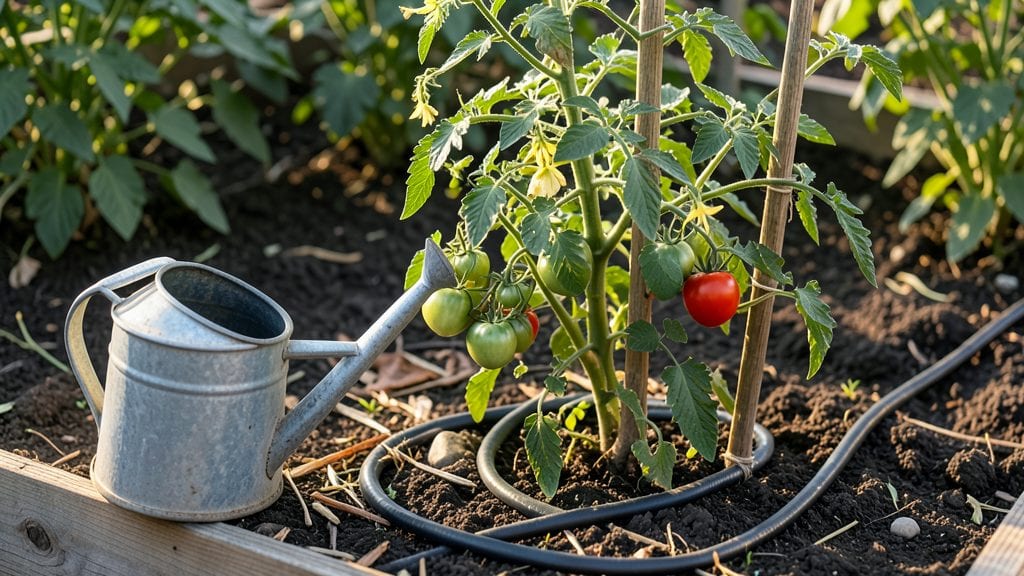
My veg garden thrives because I water it at the right times—not when I remember, but when the plants actually need it. The difference between wilting lettuce and crisp, productive harvests often comes down to consistent timing and deep watering that keeps roots happy without drowning them.
Most gardeners overwater in the heat of the day or underestimate how much moisture plants really need. I’ve learned that early morning watering—before 8 AM—lets roots soak up moisture without evaporation or fungal risks.
A 1-inch-deep watering twice a week (or daily in heatwaves) works for most veggies, but root crops like carrots need deeper, less frequent water to grow straight and sweet.
You’ll see the payoff in fewer wilting leaves, stronger stems, and better-tasting produce—because plants stressed by inconsistent watering put energy into survival, not flavor. The key is checking soil moisture with your finger: if the top inch is dry, it’s time to water.
This method works for raised beds, in-ground plots, and even container gardens—just adjust for your soil type. Let’s get those roots drinking the right way.
📚 In This Guide
- What you need
- Instructions
- Tips and common mistakes
- Wrapping up and next steps
What you need
- ● Watering Can or Hose: A 5-gallon can with a rose nozzle (for gentle watering) or a soaker hose (for deep, slow hydration).
- ○ Drip Irrigation Kit: Optional but game-changing! Includes emitter tubing, connectors, and a timer (e.g., Orbit B-hyve or Rain Bird).
- ● Watering Timer: A mechanical or smart timer (e.g., Blum Automatic) to automate schedules.
- ● Moisture Meter: A soil moisture sensor (e.g., Xiaomi Mi Flower Care) to check hydration levels.
- ● Mulch: Straw, wood chips, or compost (2–3 inches thick) to retain moisture.
- ● Rain Gauge: A simple 4-inch diameter gauge to track rainfall and adjust watering.
- ● Water Barrels: 55-gallon barrels for rainwater collection (with a mesh filter).
- ● pH Test Kit: To monitor water acidity (ideal range: 6.0–7.0 for most veggies).
- ● Garden Gloves: Durable, breathable gloves for handling hoses and soil.
- ● Solar-Powered Pump: For large gardens (e.g., Garden-Safe Solar Fountain Pump).
Step-by-Step guide to watering your vegetable garden like a pro
Mastering watering transforms your garden from a guesswork gamble to a thriving, efficient system.
Understand Your Soil’s Moisture Needs
Before you water, test your soil’s moisture level by pushing your finger 2 inches deep. If it feels dry, it’s time to water. Sandy soils dry faster and need more frequent, shallow watering, while clay soils hold moisture longer and require deeper, less frequent sessions. I like to water in the early morning—this gives roots all day to absorb moisture before the heat of afternoon evaporates it.
Use a moisture meter if you’re unsure, as visual cues can be misleading. Overwatering is just as damaging as underwatering—roots need oxygen too. The goal is even moisture, not soggy soil. You’ll know you’ve hit the right balance when the top 1-2 inches of soil feel damp but not waterlogged.
Water Deeply and Infrequently
Most vegetables thrive with deep watering 1-2 times per week, depending on your climate. A slow, deep soak encourages roots to grow downward, creating stronger, drought-resistant plants. Use a soaker hose or drip irrigation to deliver water directly to the soil—this minimizes evaporation and waste.
Water until the soil is moist 6-8 inches deep. You can check this by digging a small hole with a trowel. If the soil at that depth is dry, keep watering. This method ensures roots get the hydration they need without surface watering, which often leads to shallow root systems and fungal issues.
Adjust for Plant Type and Growth Stage
Young seedlings need frequent, light watering to keep the soil consistently moist, but avoid soaking them—this can wash away tender roots. Once plants are established, adjust based on their needs: leafy greens like lettuce and spinach prefer consistent moisture, while tomatoes and peppers tolerate slightly drier conditions once mature.
Pay attention to leaf color and wilting—these are clear signals. Yellowing leaves often mean overwatering, while crispy edges or drooping indicate thirst. Mulch with 2-3 inches of organic matter (like straw or shredded leaves) to retain moisture and regulate soil temperature. This reduces watering frequency by up to 30% while keeping roots cool.
Avoid Common Mistakes That Waste Water
Watering from above? Stop. It leads to evaporation loss and can spread disease by splashing soil onto leaves. Instead, focus on targeted irrigation at the base of plants. Early morning is ideal—watering in the evening leaves foliage damp overnight, inviting fungal infections like powdery mildew.
Don’t rely on a set schedule. Climate, soil type, and plant stage all change watering needs. A good rule of thumb: Water when 1 inch of soil is dry. Use a rain gauge to track rainfall—if you’ve had ½ inch of rain in the past 24 hours, skip watering. Overwatering is the fastest way to kill plants, even more than drought.
Monitor and Adapt Seasonally
Summer heat demands daily watering in many regions, while spring and fall may only need every 3-4 days. Watch for signs of stress: wilting leaves that don’t perk up after watering mean roots can’t access moisture, while mushy stems signal overwatering. Adjust your approach based on what you observe.
In extreme heat, consider shallow watering twice daily—once in the early morning and again in the late afternoon—to keep roots hydrated without shocking plants. Group plants with similar water needs together to simplify care. For example, basil and cucumbers love consistent moisture, while rosemary and thyme prefer drier conditions. This zoning makes watering efficient and effective.
Tips & tricks for precision vegetable garden watering
Mastering the art of vegetable garden watering requires more than just turning on the hose—it's about understanding your plants' needs at every growth stage. These insights will help you optimize your watering strategy for healthier, more productive plants.
Soil Testing Technique: When checking soil moisture in Step 1, press your finger gently into the soil—it should feel like a damp sponge at 2 inches deep. For sandy soils, which dry out quickly, I recommend testing moisture levels twice daily during heatwaves. In contrast, clay soils may only need checking every other day. The key is consistency: if the top 1-2 inches feel dry, it's time to water, but don't let the soil become bone-dry between waterings.
Deep Watering Implementation: The 6-8 inch deep watering guideline in Step 2 might seem challenging, but a simple trowel test makes it straightforward. Dig a small hole and check the moisture level—if it's dry at that depth, continue watering. For container gardens, which dry out faster, you may need to water until you see moisture seeping from the drainage holes. This ensures even root development without encouraging surface evaporation.
Seasonal Adaptation Strategy: While the instructions mention seasonal adjustments, the transition between seasons often catches gardeners off guard. In spring, when temperatures fluctuate, I recommend monitoring soil moisture every other day and adjusting your 1-2 times per week schedule accordingly. During fall, as temperatures drop, reduce watering frequency by about 25% since evaporation rates decrease significantly. This gradual adjustment prevents shocking plants during seasonal transitions.
Equipment Optimization: While soaker hoses and drip irrigation are excellent, they're not always accessible. For alternative methods, consider using a watering wand with a gentle spray setting—this allows for targeted watering at the base of plants while minimizing evaporation. If you're using a sprinkler, position it to water early in the morning and avoid wetting foliage to prevent fungal diseases. This approach maintains the core principles of targeted irrigation without requiring specialized equipment.
Pro Tips for Watering Veg Garden
- Mastering the art of vegetable garden watering requires more than just turning on the hose—it's about understanding your plants' needs at every growth stage.
- Soil Testing Technique: When checking soil moisture in Step 1, press your finger gently into the soil—it should feel like a damp sponge at 2 inches deep.
- Deep Watering Implementation: The 6-8 inch deep watering guideline in Step 2 might seem challenging, but a simple trowel test makes it straightforward.
Frequently asked questions
Got questions about keeping your veggie garden lush and efficient?
Here are answers to the most common ones—so you can water like a pro without a drop wasted!
How often should I water my vegetable garden?
Most veggies need 1–1.5 inches of water per week, including rainfall. Water deeply 2–3 times per week (early morning is best) rather than daily shallow sprinkles. Leafy greens like spinach need consistent moisture, while root crops (carrots, potatoes) prefer slightly drier soil. Adjust for heat—drought-tolerant plants (tomatoes, peppers) may need more in summer.
What’s the best time of day to water vegetables?
Water between 6 AM and 10 AM to reduce evaporation and fungal risks. Avoid evening watering—wet foliage overnight can lead to blight or mildew. If you must water in heat, use drip irrigation or soaker hoses to keep leaves dry. Pro tip: Mulch helps retain moisture and keeps roots cool!
Can I use rainwater or collected water for my veggie garden?
Rainwater is chemical-free and ideal for edibles. Collect it in barrels (with a fine mesh to block debris) and use within a few days to prevent stagnation. Avoid water from roofs treated with asbestos or copper (can harm plants). Bonus: Rainwater warms up faster, making it perfect for seedlings!
Why do my vegetable leaves look wilted even after watering?
Wilt can mean underwatering, overwatering, or root stress. Check soil moisture 1–2 inches down—if dry, water deeply. Yellowing leaves + wilting? You might be overwatering (roots need oxygen!). Troubleshoot: Loosen compacted soil, ensure proper drainage, and watch for pests like aphids blocking water uptake.
What’s the most water-efficient way to water a vegetable garden?
Drip irrigation or soaker hoses deliver water directly to roots, cutting waste by up to 50%. For small gardens, a watering wand gives gentle, controlled streams. Group plants with similar needs (e.g., herbs + lettuce) to simplify scheduling. Mulch with straw or wood chips to lock in moisture—saves time and water!
Wrapping up and next steps
Mastering the art of watering your veg garden isn’t just about keeping plants alive—it’s about unlocking their full potential with precision, patience, and a little know-how. 🌱 Whether you’re adjusting for soil type, weather, or plant needs, the right timing and technique save water, boost yields, and reduce stress.
Now that you’re armed with the best practices, there’s no better time to roll up your sleeves and give your garden the love it deserves.
Ready to see those seeds sprout into something spectacular? Start small—pick one bed or a few plants—and experiment with the tips you’ve learned. Track your progress, tweak as needed, and soon, you’ll be the proud grower of a thriving, water-wise veggie paradise! 💧✨