
Picking
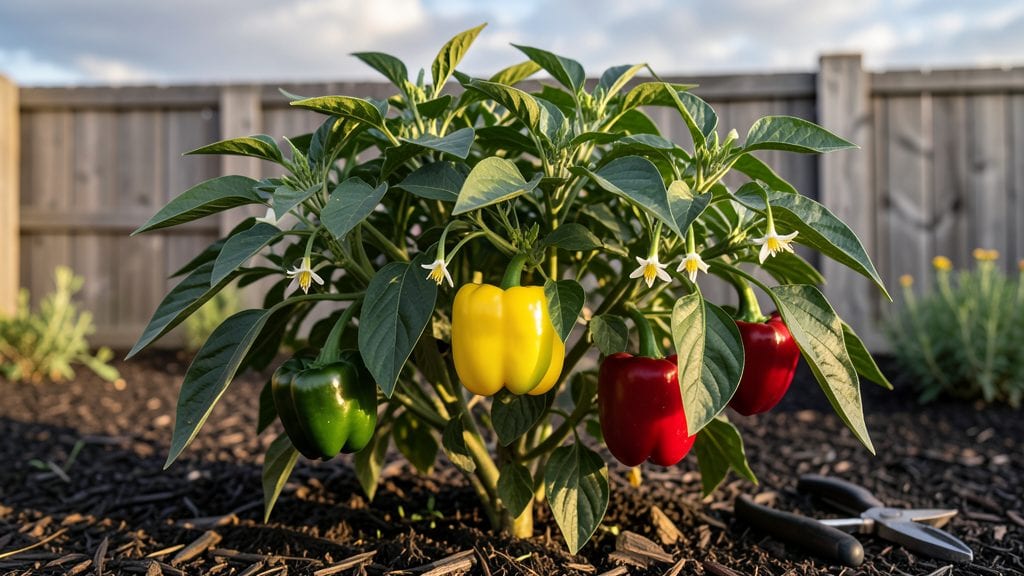
Growing bell peppers in a square foot garden turns even the smallest space into a high-yield, flavor-packed harvest. 🌿 I’ve grown peppers this way for three seasons now, and my 4x4-foot raised bed produces more than my old in-ground plot ever did—without the weeds or backbreaking work.
The trick isn’t just the grid; it’s how you pair plants, feed the soil, and keep them happy in tight quarters.
You’ll need a 1-square-foot section of your grid, high-quality potting mix with compost, and a few simple tools: a trowel, gloves, and a watering can with a gentle spray. Bell peppers thrive in full sun (6+ hours daily) and hate soggy roots, so raised beds or containers work best.
Start seeds indoors 8-10 weeks before your last frost, or buy sturdy transplants—just make sure they’re labeled for your climate zone.
By midsummer, you’ll be snapping off glossy, 3-inch peppers that outshine store-bought in both size and sweetness. The square foot method keeps plants from competing for nutrients, so you get consistent production even in hot, dry weather.
Plus, companion plants like basil or marigolds help deter pests naturally—no chemicals needed. The real magic? You’ll harvest dozens of peppers from just one square foot, proving that small spaces can deliver big rewards.
This system works for apartments, balconies, or backyard plots—anywhere you can set up a grid. The key is patience: peppers take their time to mature, but once they do, they’ll keep producing all season long.
Ready to turn that tiny patch into a pepper powerhouse? Let’s get those seeds in the soil.
📚 In This Guide
- What you need
- Instructions
- Tips and common mistakes
- Wrapping up and next steps
What you need
- ● Square Foot Garden Box: 4’ x 4’ wooden frame (or modular sections if preferred). Ensure it’s at least 6–12 inches deep for root growth.
- ● Quality Soil: 1 part compost, 1 part peat moss or coconut coir, 1 part vermiculite or perlite, and 1 part garden soil. Mix thoroughly (about 1 cubic foot per square foot).
- ● Bell Pepper Seeds or Seedlings: Seeds: 16 seeds per square foot (thin to 9–16 plants after germination). Choose varieties like California Wonder or Jupiter for high yield.
- ● Seedlings: 1 plant per square foot (transplant when 4–6 inches tall). Opt for healthy, stocky seedlings with 3–4 true leaves.
- ● Organic Fertilizer: Balanced 5-5-5 or 10-10-10 granular fertilizer (mix 1 tbsp per square foot into soil before planting).
- ● Mulch: Straw or shredded leaves (2–3 inches thick) to retain moisture and suppress weeds.
- ● Garden Gloves (to protect hands from soil and prickly stems).
- ● Hand Trowel (for planting seeds/seedlings and mixing soil).
- ● Watering Can or Hose with Nozzle (gentle watering prevents seed/seedling damage).
- ● Measuring Tape or Ruler (to mark 12” x 12” squares for planting layout).
- ● Pruners or Scissors (for trimming yellow leaves or harvesting peppers).
- ○ Spray Bottle (Optional) (for misting seedlings if humidity is low).
- ● 🌡️ Sunlight: Full sun (6–8+ hours daily). Place your garden in the sunniest spot of your yard.
- ● ⏳ Timing: Start seeds indoors 8–10 weeks before last frost or buy seedlings after frost risk passes.
- ● 💡 Soil pH: Aim for 6.0–6.8. Test your soil or amend with lime (to raise pH) or sulfur (to lower it).
- ● 🚫 Avoid: Crowding plants—bell peppers need 18”+ spacing in square foot gardens to thrive.
Step-by-Step instructions for square foot gardening bell peppers
Here's how to grow four healthy bell pepper plants in just one square foot—no wasted space, no fuss.
🪴 Step 1: Prepare Your Square Foot Grid
Start with a 12-inch square raised bed or frame filled with 2 cubic feet of quality potting mix. I like to mix my own using 60% compost, 30% coconut coir, and 10% perlite for perfect drainage. The goal is loose, airy soil that won't compact when watered.
Break up any clumps in the mix with your hands until it feels like crumbly cake batter. This ensures roots spread easily instead of fighting dense pockets. Add a handful of balanced organic fertilizer (like 5-5-5) to the center of the square and work it into the top 2 inches of soil.
🌱 Step 2: Plant Your Bell Pepper Starts
Dig 4 small holes arranged in a square pattern, each 3 inches apart from the center and 6 inches from the edges. This spacing gives each plant room to grow without crowding. Gently remove your bell pepper starts from their nursery pots and tease the roots apart if they're circling.
Place each plant so the top of the root ball sits ½ inch below soil level. This prevents stem rot while keeping roots cool. Press the soil firmly around the base with your fingers—just enough to eliminate air pockets. Water immediately with ½ cup of water per plant to settle everything in place.
☀️ Step 3: Provide Warmth and Consistent Light
Bell peppers thrive in full sun (6+ hours daily), so position your square foot garden where it gets morning sun and afternoon shade if your climate runs hot. I always check with my finger—if the soil stays 65-75°F at planting time, you're golden. Too cold and roots won't establish.
Mulch the entire square with 1 inch of straw to retain moisture and keep soil temperatures stable. Water deeply every other day until the top inch of soil feels dry. Avoid overhead watering after planting—it spreads disease. Instead, use a watering wand at the base.
💧 Step 4: Maintain Through the Growing Season
Once plants reach 6 inches tall, add a tomato cage or small stake to each to support their weight. I like to tie stems loosely with soft plant ties so they don't constrict as the plant grows. Feed every 4-6 weeks with ½ cup of compost tea or a diluted liquid fertilizer to keep them producing.
Watch for blooms turning into peppers—this is when you'll see the most growth. Harvest when peppers reach 3-4 inches long and feel firm to the touch. The more you pick, the more your plants will produce. If you notice yellowing leaves, it's usually a sign of overwatering—let the soil dry out slightly between waterings.
✂️ Step 5: Extend the Season with Care
As temperatures drop below 55°F at night, cover your square foot garden with a floating row cover during cooler evenings. This traps warmth and extends the harvest by 2-3 weeks. Remove the cover during the day so plants still get full sun.
When frost threatens, harvest any remaining peppers immediately. Don't wait—they won't ripen further once picked. Store them in a cool, dark place for up to 2 weeks. Next season, save seeds from your best peppers by letting them dry on the plant before scooping them out and storing in an envelope.
Tips & tricks for square foot gardening bell peppers
Square foot gardening turns tiny spaces into pepper powerhouses—here's how to maximize every inch.
Soil Mix Secrets: The 60-30-10 ratio of compost, coconut coir, and perlite creates the perfect airy environment for pepper roots. I like to add a handful of worm castings to the mix too—they pack extra nutrients without compacting the soil. Think of it like giving your plants a spa treatment from day one.
Planting Precision: That ½-inch depth when planting (Step 2) is critical—it keeps stems from rotting while letting roots breathe. I use a small ruler to check depth, and always pat soil firmly around stems to eliminate air pockets. If you notice yellowing at the base later, you might've buried stems too deeply.
Temperature Troubleshooting: Bell peppers need soil temps between 65-75°F to thrive. If your garden sits in a cooler microclimate, consider using black plastic mulch under your straw to absorb sunlight and warm the soil faster. I've seen gardens in cooler climates add a layer of clear plastic over the soil for a few days before planting to jumpstart warmth.
Harvesting Hack: Those 3-4 inch peppers (Step 4) are perfect for cooking, but you can actually harvest smaller ones too—they're just less flavorful. I like to harvest every 3-4 days during peak season to encourage more blooms. Use clean pruning shears to avoid damaging stems, and always harvest in the morning when peppers are crispest.
Pro Tips for Square Foot Gardening Bell Peppers
- Square foot gardening turns tiny spaces into pepper powerhouses—here's how to maximize every inch.
- Soil Mix Secrets: The 60-30-10 ratio of compost, coconut coir, and perlite creates the perfect airy environment for pepper roots.
- Planting Precision: That ½-inch depth when planting (Step 2) is critical—it keeps stems from rotting while letting roots breathe.
Frequently asked questions
Got questions about growing bell peppers in square foot gardens? We’ve got answers!
Whether you're a beginner or a seasoned gardener, these FAQs will help you troubleshoot, optimize, and enjoy your harvest. Let’s dive in!
How many bell pepper plants should I put in a 1-square-foot grid?
For square foot gardening, plant 1 bell pepper plant per square foot. This gives roots enough space to spread while maximizing yield. If you’re growing smaller varieties (like ‘Shishito’ or ‘Mini Bell’), you can fit 4 plants per square foot—just ensure they’re well-spaced and supported.
When is the best time to plant bell peppers in a square foot garden?
Start seeds 8–10 weeks before your last frost date indoors, then transplant seedlings outdoors after soil temps reach 60°F+ (usually late spring or early summer). Bell peppers are heat-lovers—they thrive in warm conditions, so avoid planting too early. If your growing season is short, opt for faster-maturing varieties like ‘Sweet Banana’ or ‘Jalapeño M.’
What are common pests or diseases for bell peppers, and how do I prevent them?
Watch for aphids, spider mites, and hornworms (those striped caterpillars devour leaves!). Prevent pests with neem oil sprays or companion planting (basil, marigolds, or onions). For diseases like blight or powdery mildew, ensure good airflow and avoid overhead watering. Crop rotation helps too!
Can I grow bell peppers in containers or raised beds instead of a square foot garden?
Bell peppers thrive in 5-gallon containers or raised beds with at least 12–18 inches of depth. Just mimic square foot spacing: 1 plant per 12" of diameter (or 4 small plants per 18" container). Use well-draining soil and a tomato cage or trellis for support as plants grow.
Why aren’t my bell peppers fruiting, even though the plants look healthy?
Lack of fruit can stem from insufficient sunlight (6+ hours/day), inconsistent watering, or poor pollination. Hand-pollinate flowers with a small brush if bees are scarce. Also, ensure plants get balanced fertilizer (high in phosphorus) during flowering. If temps drop below 55°F, they may stop producing—use row covers if needed!
How do I extend the harvest season for bell peppers in a square foot garden?
To prolong your harvest, plant succession crops every 2–3 weeks (if your climate allows). Use black plastic mulch to warm soil early/late in the season. For fall, try cold-hardy varieties like ‘Carmen’ or grow in a greenhouse or cold frame. Prune spent flowers to encourage new growth and protect plants from early frosts with frost cloth.
Wrapping up and next steps
Square foot gardening is your secret weapon for growing bold, flavorful bell peppers—even in the smallest spaces! 🌱 By mastering this method, you’ll enjoy higher yields, easier maintenance, and fresher harvests right from your balcony or backyard.
Whether you’re a beginner or a seasoned gardener, these techniques make it simple to turn every square foot into a pepper-producing powerhouse.
Ready to take the next step? Start by sketching your garden layout, then plant your first batch of bell peppers this season. Watch your tiny plot transform into a vibrant, productive oasis! Happy gardening! 🌿