Blooming
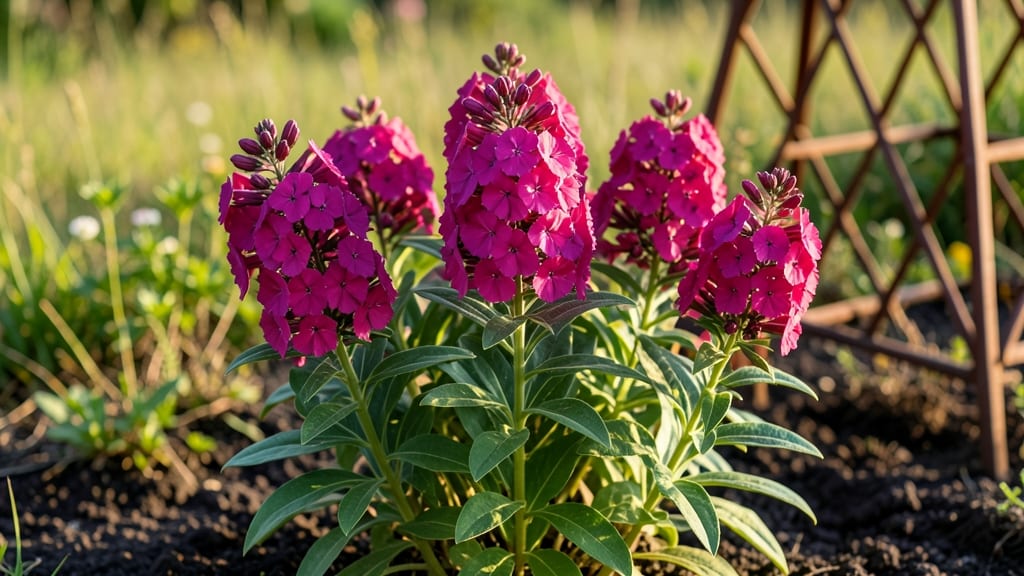
The garden phlox bloom time spans from late spring to early fall, turning your yard into a fragrant, colorful haven—but only if you plant it right.
If you’re dreaming of vibrant summer blooms, timing is everything. These fragrant flowers burst into color from June through August, but their peak season depends on where you live and which variety you choose.
In USDA Zone 6a, garden phlox typically starts blooming in late May or early June, with some varieties stretching into September. The key to a longer bloom time? Planting in March or April and giving them the right care.
Below, I’ll break down the exact months for your region, how to extend their beauty with simple tricks, and which varieties stay stunning the longest.
When does garden phlox bloom? Month-by-month timeline for peak flowers
Garden phlox (Phlox paniculata and Phlox drummondii) is a summer garden staple, but its bloom time varies dramatically based on variety and climate zone.
Early bloomers like Phlox drummondii start as early as late spring, while late-season varieties like Phlox paniculata ‘David’ can extend blooms into early fall. Understanding these differences helps you choose the right types for your garden’s timeline.
Your USDA hardiness zone also plays a critical role. In warmer zones (7-9), phlox may bloom earlier and longer, while in cooler zones (3-6), expect a shorter but more concentrated bloom period.
For example, in Zone 5, most phlox blooms peak in July and August, while in Zone 8, you might see flowers from June through September.
To plan your garden effectively, use this month-by-month breakdown of phlox bloom times, tailored to common USDA zones. This table also includes care tips to extend your phlox’s flowering season naturally.
🌸
| Month | USDA Zones 3-5 | USDA Zones 6-7 | USDA Zones 8-9 | Care Tip |
|---|---|---|---|---|
| May | Early blooms (drummondii) | Early blooms (drummondii) | Early blooms (drummondii) | Deadhead spent blooms |
| June | Peak drummondii, early paniculata | Peak drummondii, paniculata starts | Full bloom (drummondii & paniculata) | Fertilize with 10-10-10 |
| July | Peak paniculata bloom | Full bloom (paniculata dominant) | Peak paniculata, some rebloom | Water deeply 2-3x/week |
| August | Late paniculata, fading | Late paniculata, some rebloom | Extended bloom (some varieties) | Deadhead faded blooms |
| September | Minimal blooms | Late rebloom possible | Late-season bloom (some varieties) | Prepare for dormancy |
If you live in USDA Zone 3-5, focus on early-season drummondii varieties like ‘Starfire’ or ‘Scarlet Flame’ for May-June color. These annuals thrive in cooler climates and provide quick summer interest.
For a longer bloom season, mix in paniculata varieties like ‘David’ or ‘White Delight’, which bloom from mid-July through September in these zones.
In Zones 6-7, you’ll enjoy the best of both worlds. Start with drummondii in May-June, then transition to paniculata varieties that peak in July and August.
To extend blooms, deadhead regularly and fertilize lightly in early summer. This two-step approach ensures non-stop color from late spring to early fall.
For warmer climates (Zones 8-9), garden phlox can bloom almost year-round with proper care. Plant paniculata varieties like ‘Jeana’ or ‘Lipstick’ for June-September displays. In these zones, shade cloth during peak summer heat (above 90°F) prevents early bloom fade.
Also, mulch heavily to retain moisture and encourage late-season reblooms into October.
One common mistake gardeners make is assuming all phlox bloom at the same time. Drummondii (annuals) and paniculata (perennials) have completely different timelines. Planting both types ensures continuous blooms from May through September.
For example, my Zone 6 garden features ‘Scarlet Flame’ drummondii in May and ‘David’ paniculata in July—no bare patches!
To extend your phlox’s bloom time, focus on three key practices:
- Deadheading spent blooms weekly to encourage new flowers.
- Fertilizing with a balanced 10-10-10 in early summer (June).
- Watering deeply 2-3 times per week during peak bloom (July-August). These steps can add 2-4 weeks to your phlox’s flowering season.
🪴
How to maximize garden phlox bloom time with pruning and care
Garden phlox thrives when you give it the right attention, especially during their blooming season. With the proper pruning techniques and care schedule, you can extend those vibrant clusters from early summer well into fall.
The key lies in understanding when and how to intervene—deadheading at the right time, fertilizing strategically, and ensuring they get the sunlight requirements they crave.
Many gardeners overlook the importance of regular maintenance after the initial bloom. Without it, your phlox might produce fewer flowers or even stop blooming altogether. I’ve learned the hard way that skipping deadheading can turn a lush phlox patch into a sad, leggy mess.
Let’s fix that together with a few simple but powerful steps to keep your phlox in peak form all season.
⚠️
Cutting back too aggressively in early summer can stunt new growth and reduce flower production. Phlox blooms on current year’s growth, so prune only spent blooms (deadheading) and lightly trim leggy stems after flowering. Avoid heavy pruning until late fall or early spring to protect next year’s blooms.
Start with deadheading—this is the single most effective way to prolong blooming. As soon as a phlox flower fades and its petals drop, snip the stem just above the next set of leaves or buds.
This redirects the plant’s energy from seed production back into creating new blooms. I deadhead my phlox every 2-3 days during peak season, and it keeps them flowering for weeks longer than my neighbors’ plants.
Next, pay attention to fertilizing. Use a balanced fertilizer (like 10-10-10) in early spring to jumpstart growth, then switch to a low-phosphorus formula (like 5-10-10) once blooming begins. Over-fertilizing with high phosphorus can lead to leafy growth at the expense of flowers.
Feed your phlox every 4-6 weeks during the growing season, but stop fertilizing by mid-summer to encourage dormancy.
Sunlight is non-negotiable for phlox. While they tolerate partial shade, they truly shine (literally) with 6+ hours of full sun daily. If your phlox isn’t blooming well, check their location. Mine struggled in a shady corner until I moved them to a south-facing spot.
In hot climates, provide afternoon shade to prevent wilting. Mulch around the base with 2-3 inches of organic mulch to retain moisture and regulate soil temperature.
Finally, avoid these common mistakes that cut bloom time short: letting phlox grow too tall without support, neglecting to divide overcrowded clumps every 3-4 years, or watering too heavily at the base (which causes rot).
With these tips, your phlox will reward you with longer, more abundant blooms all season long.