Vegetables
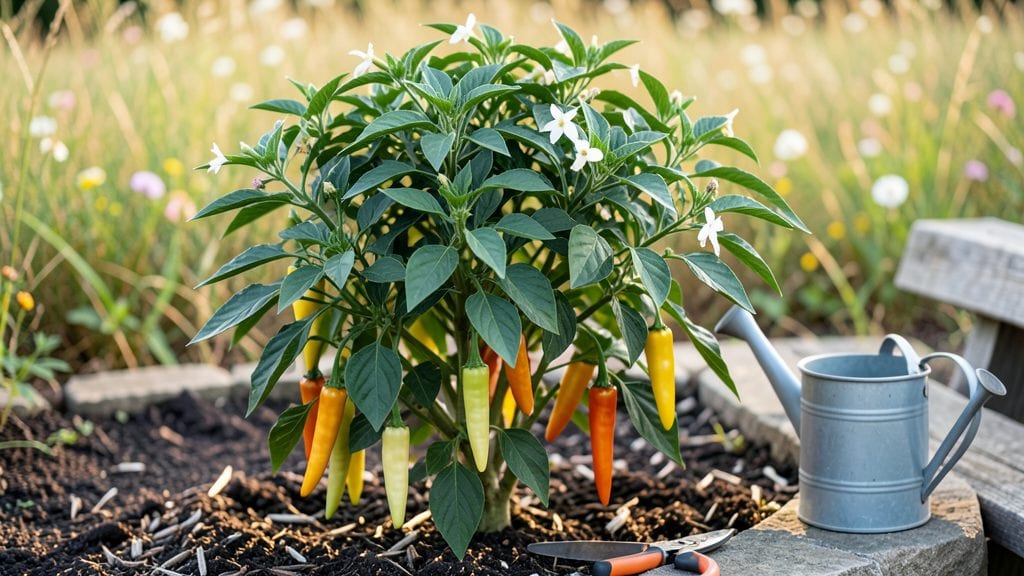
Growing banana peppers in your garden means crisp, golden harvests that outshine store-bought varieties—here’s how to turn seeds into sauce-worthy peppers. 🌱 I’ve grown them for years, and the difference between homegrown and grocery-store peppers is night and day: brighter color, thicker flesh, and a heat level you can actually control.
The secret starts with soil that drains like a dream and a spot where the sun kisses the plants all day.
You’ll need just a few basics: well-draining potting mix or garden soil amended with compost, a sunny patch (at least 6 hours of direct light daily), and patience—these peppers take 75-90 days to mature.
Start seeds indoors 8-10 weeks before your last frost, or buy sturdy transplants if you’re short on time. The key is keeping them consistently moist but never soggy; banana peppers hate wet feet.
By mid-summer, you’ll be snipping clusters of 1-3 inch peppers, their golden skins glistening in the sun. Harvest them young for sweet, mild heat or let them ripen fully for a deeper flavor—either way, you’ll have enough to pickle, dry, or turn into homemade sauce.
The plants keep producing until frost, so one harvest leads to another.
Watch for aphids and spider mites, which love the tender new growth, but a strong spray of water usually sends them packing. If you’re in a cooler climate, opt for shorter varieties like ‘Golden Sweet’ or ‘California Wonder’—they handle heat and humidity better than fussy heirlooms.
Ready to grow your own bold harvest?
📚 In This Guide
- What you need
- Instructions
- Tips and common mistakes
- Wrapping up and next steps
What you need
- ● Banana pepper seeds: Start with 5–10 seeds (or 3–5 seedlings if buying starter plants). Look for varieties like ‘California Wonder’ or ‘Early Jolt’ for reliable results.
- ● Containers or garden beds: Containers: 5–10 gallon pots (1 per plant) with drainage holes, or a raised bed (at least 12" deep).
- ● Garden beds: Full sun (6+ hours/day) and well-draining soil (pH 6.0–6.8).
- ● Potting mix: 5–10 gallons of high-quality, sterile seed-starting mix (or garden soil amended with compost). Avoid heavy clay soil.
- ● Fertilizer: Balanced 10-10-10 fertilizer (1 tbsp per plant every 4–6 weeks).
- ● Compost (1 cup per plant at planting time).
- ● Watering can or hose with a gentle spray nozzle (peppers hate soggy roots!).
- ○ Gloves (optional but recommended—peppers can sting! 🌶️).
- ● Grow lights: If starting seeds indoors, a full-spectrum LED grow light (12–16 hours/day) speeds up germination.
- ● Mulch: Straw or shredded leaves to retain moisture and suppress weeds.
- ● Cage or stakes: For tall varieties (e.g., ‘Banana Pepper’ can grow 2–3 feet tall).
- ● Row covers: Lightweight fabric to protect seedlings from pests or late frosts.
- ● pH test kit: Ensures your soil is in the ideal range (6.0–6.8).
- ● Insecticidal soap: For organic pest control (aphids or spider mites love peppers!).
How to grow a thriving banana pepper garden
Here's my foolproof method for turning tiny seeds into a bounty of sweet, crunchy peppers.
🌱 Step 1: Start Seeds Indoors 8-10 Weeks Before Last Frost
Fill 2-3 inch deep seedling trays with the sterile seed-starting mix and moisten until damp but not soggy. Plant 2-3 seeds per cell at a depth of ¼ inch, then cover lightly with additional mix. Banana pepper seeds germinate best in 75-85°F soil, so use a heat mat if your home stays cooler.
Once sprouted, place the tray under a grow light for 14-16 hours daily—a south-facing window won't provide enough intensity. You'll know your seedlings are thriving when they develop 2-3 true leaves and sturdy stems. Thin to the strongest seedling per cell, snipping the others at soil level with clean scissors.
☀️ Step 2: Harden Off and Transplant After All Frost Risk Passes
Two weeks before your last frost date, begin hardening off by moving seedlings outside for 1-2 hours daily in partial shade. Gradually increase exposure over 7-10 days until they tolerate full sun. Plant in well-draining soil with a pH between 6.0-7.0, spacing them 18-24 inches apart in rows 24-36 inches apart.
Dig holes slightly deeper than the root ball and firm soil around the base. Water deeply right after transplanting to settle the roots. I always add a handful of balanced fertilizer to each hole—banana peppers are hungry plants that reward consistent feeding.
💧 Step 3: Water Deeply and Mulch for Consistent Production
Water at the base 1-2 inches per week, letting the soil dry slightly between waterings. Banana peppers hate soggy roots but also need steady moisture—you'll know it's right when the top 1-2 inches of soil feel dry to touch. Apply 2-3 inches of mulch around each plant to retain moisture and keep roots cool.
Fertilize every 4-6 weeks with the balanced fertilizer to encourage both fruit production and plant health. You'll notice new flowers forming within 6-8 weeks after transplanting—these will develop into your peppers. Remove any suckers that form in the leaf axils to direct energy toward fruit production.
✂️ Step 4: Harvest and Prune for Continuous Yields
Pick peppers when they're 3-4 inches long and bright yellow—this ensures maximum sweetness and prevents overcrowding. Use clean pruners to snip at the stem base. You'll harvest continuously throughout the season, with plants producing 10-20 peppers per plant under ideal conditions.
Prune leggy growth and remove any diseased or yellowing leaves immediately. This improves airflow and reduces pest problems. At season's end, cut plants back to 6 inches tall and compost the debris—banana peppers are annuals, but their seeds can be saved for next year's garden.
Tips & tricks for growing thriving banana pepper plants
These practical tips will help you avoid common pitfalls and maximize your banana pepper harvest from seed to harvest.
Seed Starting Secret: Don't rush the germination process—banana pepper seeds can take 10-14 days to sprout at the ideal 75-85°F soil temperature. If your home stays cooler, invest in a heat mat ($15-$20) to maintain consistent warmth. The 14-16 hours of grow light daily is non-negotiable—natural sunlight won't provide enough intensity, especially in early spring when days are short.
Harden Off Gradually: The 1-2 hour daily hardening off period in Step 2 is crucial, but don't skip the gradual increase. I've seen seedlings shocked by sudden full sun exposure—start with just 30 minutes on the first day and increase by 30 minutes each subsequent day. Watch for wilting as your warning sign to slow down the process. Proper hardening off means your plants will transition smoothly to outdoor conditions.
Soil Preparation Tip: Before transplanting, mix a handful of compost into each planting hole to give your banana peppers a nutrient boost right from the start. The well-draining soil with pH 6.0-7.0 is essential—these peppers hate soggy roots. If your garden soil is heavy clay, consider building raised beds (2-3 feet wide) for better drainage and easier maintenance. The 18-24 inch spacing gives roots plenty of room to establish without competing for nutrients.
Harvest Timing: Those 3-4 inch bright yellow peppers are your sweet spot for maximum flavor. I harvest every 3-4 days during peak production to encourage continuous flowering. Use clean pruners to avoid damaging the plant—this prevents disease entry points. Don't let peppers get much larger than 4 inches or they'll start losing their signature sweetness and become more bitter. The 10-20 peppers per plant yield is very achievable with proper care!
Pro Tips for Banana Peppers Garden
- These practical tips will help you avoid common pitfalls and maximize your banana pepper harvest from seed to harvest.
- Seed Starting Secret: Don't rush the germination process—banana pepper seeds can take 10-14 days to sprout at the ideal 75-85°F soil temperature.
- Harden Off Gradually: The 1-2 hour daily hardening off period in Step 2 is crucial, but don't skip the gradual increase.
Frequently asked questions
Got questions about growing and using banana peppers in your garden? You’re not alone! Here are some of the most common queries—and answers—to help you grow a thriving harvest and turn those peppers into delicious creations.
When is the best time to plant banana pepper seeds?
Banana peppers thrive in warm soil, so plant seeds indoors 8–10 weeks before the last frost (around late winter or early spring). Transplant seedlings outdoors after all danger of frost has passed—typically when soil temps hit 60°F (15°C). If you’re in a hot climate, you can direct-sow seeds in early spring.
How long does it take for banana peppers to mature?
From seed to harvest, banana peppers take about 70–90 days. If you start with seedlings, expect fruit in 60–80 days. Patience pays off—peppers turn yellow when ripe, but you can harvest them green for a milder, crunchier bite. Pro tip: Pinch off early flowers to boost plant vigor and delay fruiting for a bigger harvest later!
What pests or diseases should I watch for?
Banana peppers are generally low-maintenance, but keep an eye out for aphids, spider mites, and pepper maggots. Use neem oil or insecticidal soap for mild infestations. Fungal issues like powdery mildew can occur in humid conditions—improve airflow and avoid overhead watering. Pro tip: Rotate crops yearly to prevent soil-borne diseases!
Can I save seeds from store-bought banana peppers?
Yes! If you buy organic, heirloom, or non-hybrid banana peppers, you can save seeds for next year. Scoop out the seeds, rinse them, dry thoroughly, and store in a cool, dark place. Note: Seeds from hybrid or conventionally grown peppers may not produce true-to-type plants. For consistency, stick to named varieties like ‘California Wonder’ or ‘Golden Banana.’
What’s the best way to use homegrown banana peppers?
Versatility is their superpower! Try pickling (classic for sandwiches), grilling (charred peppers add smoky depth), or drying (for flakes in seasoning blends). For heat lovers, let them turn yellow for a sweeter, spicier kick. Pro tip: Freeze extras in olive oil for quick cooking—just toss into pasta, soups, or salsas!
Wrapping up and next steps
Growing banana peppers in your garden isn’t just about adding a pop of color—it’s a rewarding journey from seed to spicy delights! With the right soil, sunlight, and care, you’ll harvest vibrant peppers perfect for sauces, pickling, or snacking.
Whether you’re a seasoned gardener or just starting out, these bold little peppers prove that even small spaces can yield big flavors.
Ready to take the next step? Plant your seeds this season and watch your garden transform into a spicy paradise! 🌱✨ Need inspiration? Try experimenting with different recipes—your taste buds (and dinner guests) will thank you.