Pests and Diseases
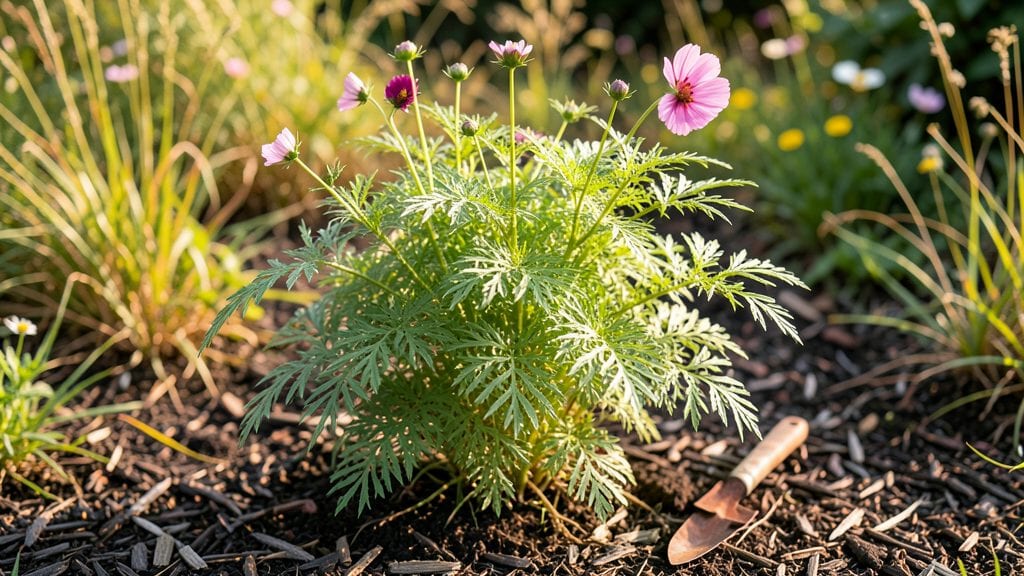
When your garden cosmos leaves start looking ragged, don’t grab the chemical spray—these plants pack their own pest-fighting punch. 🌿 I’ve used their natural defenses to save struggling cosmos from spider mites, aphids, and even fungal spots, and the secret lies in how you nurture them (and what you let them do for you).
The key is balancing care with confidence: too much water or shade invites problems, but the right conditions turn cosmos into a self-sustaining fortress. Yellowing leaves often mean overwatering—let the soil dry between drinks—while browning edges signal thirst or too much sun.
For holes or sticky residue, crush a few cosmos leaves and rub them on affected spots; their mild toxins deter pests without harming pollinators.
📚 In This Guide
- What you need
- Instructions
- Tips and common mistakes
- Wrapping up and next steps
What you need
- ● Garden cosmos leaves: Fresh or dried (aim for at least 1 cup for a basic spray or 3–4 handfuls for mulch). Harvest from healthy, pesticide-free plants.
- ● Water: 1 gallon (3.8 liters) for sprays; enough to moisten for mulch applications.
- ● Container: A large bowl, bucket, or spray bottle (preferably glass or BPA-free plastic for safety).
- ● Cheesecloth or fine mesh strainer: To filter out debris if making a liquid spray.
- ○ Gloves (optional but recommended): Protect your hands when handling leaves or mulch.
- ● Pruners or scissors: For harvesting leaves cleanly.
- ○ Spray bottle (optional): For targeted applications (e.g., 16 oz / 500 mL size).
- ● Garden trowel or rake: For spreading mulch around plants.
- ○ Labeling tags (optional): To mark homemade sprays if storing for later use.
- ● Essential oils: Add 5–10 drops of peppermint, citrus, or neem oil to boost repellent properties.
- ● Dish soap (mild): 1 tsp per gallon to help the spray stick to pests.
- ● Compost or aged manure: Mix with mulch to enrich soil while deterring pests.
- ● Drying rack or paper towels: For preserving leaves if making dried mulch.
How to use garden cosmos leaves as a natural pest repellent
Here’s how to harness cosmos leaves to keep pests away—no chemicals needed.
🌿 Step 1: Harvest and Prepare the Leaves
Pick healthy cosmos leaves in the morning when their oils are most potent. Look for leaves that are fully mature but not wilted or yellowed—these will have the strongest pest-repelling properties. I like to harvest them just before they start to show signs of browning at the edges, as that’s when their natural compounds peak.
Rinse the leaves gently under cool water to remove dirt or debris, then pat them dry with a clean towel. Avoid crushing them at this stage—you want to preserve their natural oils for maximum effectiveness. Place them in a paper bag or airtight container to keep them fresh until you’re ready to use them.
💧 Step 2: Create a Pest-Repellent Infusion
Fill a quart-sized jar with fresh cosmos leaves, packing them in loosely—you’ll need about 2 cups of leaves for a strong infusion. Pour enough hot (not boiling) water over the leaves to cover them completely. I use water that’s around 180°F to avoid destroying the beneficial compounds while still killing any potential bacteria.
Let the mixture steep for 24 hours in a dark, cool place. You’ll know it’s ready when the water takes on a faint greenish tint and the leaves soften slightly. Strain the leaves out using a fine-mesh sieve or cheesecloth, pressing gently to extract every last drop of liquid. The resulting infusion is now ready to use as a natural spray.
✂️ Step 3: Apply the Infusion to Your Garden
Transfer the strained infusion to a spray bottle for easy application. Shake gently before each use to redistribute any settled oils. Spray the leaves and stems of your plants, focusing on the undersides where pests like aphids and spider mites often hide. I like to spray in the early morning or late evening when the sun isn’t at its peak—this gives the leaves time to dry without burning.
Reapply every 3-5 days or after rain to maintain protection. You’ll notice pests like aphids and whiteflies starting to retreat within a day or two. For stubborn infestations, increase the frequency to daily applications for a week. The key is consistency—pests won’t stand a chance against the cosmos’s natural defenses.
🌱 Step 4: Use Leaves Directly as Mulch or Barriers
Instead of discarding the used leaves, crush them slightly and scatter them around the base of your plants as mulch. The crushed leaves release their pest-repelling oils slowly over time, creating a protective barrier against soil-dwelling pests like slugs and cutworms. I find this works especially well for delicate plants like lettuce and strawberries.
For added protection, place whole cosmos leaves around the perimeter of your garden beds. The strong scent alone deters many pests, and the physical barrier can block crawling insects from reaching your plants. Refresh the leaves every 7-10 days or when they start to wilt, as their effectiveness diminishes over time.
☀️ Step 5: Store Extra Infusion for Future Use
If you’ve made more infusion than you can use immediately, store the remaining liquid in a clean, airtight container in the refrigerator. It’ll keep for up to 2 weeks, though the potency may fade slightly over time. Label the container clearly with the date and contents to avoid confusion later.
For long-term storage, freeze the infusion in ice cube trays. Once frozen, transfer the cubes to a labeled freezer bag. Thaw as needed and dilute with a little water before spraying—this works great for smaller touch-ups or when you’re ready to tackle pests again in the future. The frozen cubes retain most of their effectiveness, making them a handy backup for those unexpected pest outbreaks.
Tips & tricks for perfect garden cosmos pest repellent
Real talk: cosmos leaves work best when you respect their natural potency—and these tricks help you maximize their pest-fighting power without wasting a single leaf.
The Harvest Factor: Morning is non-negotiable for harvesting—cosmos leaves release their most potent oils in the early hours. I've learned this the hard way after harvesting at noon and getting weaker results. Look for leaves with just a hint of browning at the edges; these contain the highest concentration of natural compounds. Avoid leaves with holes or yellowing, as their effectiveness drops significantly.
Temperature Matters: That 180°F water isn't arbitrary—it's the sweet spot for extracting oils without destroying beneficial compounds. Boiling water would cook the leaves and make the infusion bitter. I use a thermometer to check my water temperature, especially if I'm using an electric kettle that might run hotter than expected. For extra safety, let tap water sit for 10 minutes after boiling to cool to the right temperature.
Steeping Strategy: The 24-hour steep is crucial for maximum potency, but don't skip the dark, cool place—light and heat degrade the active compounds. I store my jars in a closet or cabinet away from windows. If you're short on time, you can steep for 12 hours and get decent results, but the full 24 hours gives you the strongest protection. Pro tip: Give the jar a gentle shake every 8 hours to help release more oils from the leaves.
Application Timing: Early morning or late evening spraying is key—you're preventing sunburn on your plants while giving the infusion time to dry completely. I've noticed that spraying at midday can leave water droplets that act like magnifying glasses, potentially burning leaves. For container plants, it's safe to spray anytime, but for garden beds, stick to the cooler parts of the day. Reapplication frequency depends on your local pest pressure—if you see pests returning within 3 days, bump up to every other day.
Pro Tips for Garden Cosmos Leaves
- Real talk: cosmos leaves work best when you respect their natural potency—and these tricks help you maximize their pe...
- The Harvest Factor: Morning is non-negotiable for harvesting—cosmos leaves release their most potent oils in the earl...
- Temperature Matters: That 180°F water isn't arbitrary—it's the sweet spot for extracting oils without destroying bene...
Frequently asked questions
Got questions about using garden cosmos leaves as a natural pest repellent?
Here are some of the most common queries—plus quick, actionable answers to help you make the most of this garden superstar!
Why do garden cosmos leaves repel pests?
Garden cosmos leaves contain limonene and other natural compounds that pests like aphids, whiteflies, and even some beetles find unappealing. Their strong scent acts as a deterrent, making them a non-toxic alternative to chemical sprays. Plus, their bright blooms attract beneficial predators like ladybugs and lacewings, creating a balanced ecosystem in your garden!
How long do cosmos leaves stay effective as a pest repellent?
Freshly crushed or chopped cosmos leaves work best, but their effectiveness lasts about 2–3 days when stored in a sealed container in the fridge. For longer use, dry the leaves and crush them when needed—they’ll retain their scent and repellent properties for up to 6 months. Just reapply as pests resurface!
Can I use cosmos leaves on edible plants?
Yes! Garden cosmos are non-toxic and safe for use around vegetables, herbs, and fruits. Their pest-repelling properties make them ideal for companion planting near tomatoes, peppers, or basil. Just avoid spraying directly on leaves you plan to eat—use them as a mulch or tea infusion instead for safety.
What’s a good alternative if I don’t have cosmos?
No cosmos? No problem! Try these pest-repelling plant leaves:
- Marigold leaves – Contain pyrethrin, a natural insecticide.
- Basil or mint – Strong scents deter mosquitoes and flies.
- Lavender – Repels aphids, moths, and even some rodents.
- Chives or garlic – Their sulfur compounds confuse pests.
Why aren’t cosmos leaves working on my pest problem?
If pests persist, check these common issues:
- Old or wilted leaves – Freshness is key! Use recently harvested leaves.
- Not enough coverage – Apply generously, especially under leaves where pests hide.
- Pests have built a tolerance – Rotate with other repellents like neem oil or insecticidal soap.
- Environmental factors – Heavy rain or wind can wash away the scent. Reapply after storms.
Wrapping up and next steps
Garden cosmos leaves are a game-changer for organic pest control—no chemicals needed! 🌿 From deterring aphids to keeping mosquitoes at bay, these vibrant leaves pack a natural punch. Whether you’re a seasoned gardener or just starting, integrating cosmos into your pest-fighting strategy is simple, cost-effective, and eco-friendly.
Ready to transform your garden? Start small—plant a few cosmos near your veggies or herbs, and watch the pests retreat! For extra defense, harvest and infuse the leaves into sprays or mulch them around vulnerable plants. Your garden (and the planet) will thank you! 🌱✨