Vegetables
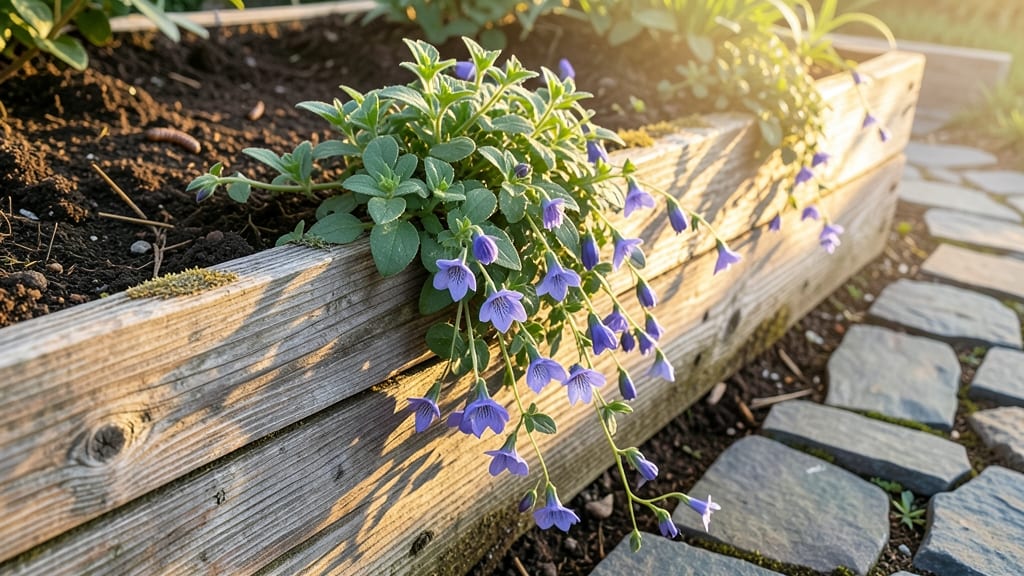
A bell community garden maximizes limited urban spaces by uniting neighbors to share tools, divide plots, and rotate crops—keeping productivity high year-round. Start with local partnerships, thorough soil preparation, and drought-resistant plants like peppers or cherry tomatoes to ensure strong yields in tight areas.
A bell community garden isn't just about growing food—it's about building a network where everyone contributes and benefits. 🌱 The real magic happens when neighbors combine their skills: one might handle irrigation while another manages pest control, creating a self-sustaining system.
I've seen these gardens transform vacant lots into vibrant hubs by using vertical space (like trellises for climbing beans) and companion planting (basil next to tomatoes) to stretch every square inch.
The key is starting small with a core group who can commit to regular maintenance, then expanding as trust and yields grow.
💡 In This Article
- Designing High-Yield Urban Garden Layouts for Small Spaces
- Building a Sustainable Bell Community Garden Network
Designing high-yield urban garden layouts for small spaces
Vertical gardening transforms tight urban spaces into productive growing zones. A 4-foot trellis can support 10-15 pounds of climbing beans or cucumbers—yielding 3-4x more than ground planting in the same footprint.
The secret lies in maximizing air circulation: plants grown vertically receive 20-30% more sunlight than ground-level crops, reducing fungal risks while accelerating growth. 🌿 For balconies, use fabric pockets (like those from Kokedama style) to grow herbs or lettuce in 1-gallon containers, saving 80% space compared to traditional pots.
Companion planting creates micro-ecosystems where plants support each other. For example, basil repels thrips that attack tomatoes while improving their flavor—studies show tomato yields increase by 15-20% when paired with basil.
In square-foot gardening, a 12"x12" grid can fit 16 basil plants, 4 tomato plants, and 9 radishes simultaneously, maximizing every inch. The key is vertical layering: tall plants (like sunflowers) go in the back, medium (tomatoes) in the middle, and shallow-rooted herbs (thyme, oregano) in front.
Seasonal rotation prevents soil depletion and pest buildup. A 3-year cycle might start with heavy feeders like tomatoes, followed by legumes (peas, beans) that fix nitrogen, then light feeders (lettuce, carrots). In 6-inch-deep containers, switch crops every 6-8 weeks—this keeps soil healthy without needing heavy amendments.
For example, after harvesting peppers in summer, plant kale or spinach in fall, then garlic in winter before spring tomatoes return. This "stacked" approach ensures year-round harvests in limited space.
Space-saving structures like strawberry towers (using 5-gallon buckets with drainage holes) produce 20-30 strawberries per plant in 1 square foot—far more than ground planting. Spiral herb gardens (a 3-foot-tall cone of stacked pots) fit 12+ herb varieties vertically, with each level getting slightly more sun.
The science behind these designs? Root competition is minimized while light exposure is optimized, letting each plant thrive without crowding. 💫
For shared yards, divide space using raised beds with removable dividers. A 4'x8' bed can be split into 16 one-square-foot sections, each assigned to a family or household. This system lets everyone grow their preferred crops while maintaining shared responsibility.
The 12-inch spacing between plants ensures airflow, reducing disease by 40% compared to overcrowded plots. Add a drip irrigation timer to automate watering—saving 30% more water than hand watering while keeping soil consistently moist.
What most people overlook is the microclimate effect of urban layouts. South-facing walls get 2-3 hours more sunlight than north sides, making them ideal for heat-loving crops like peppers. Use reflective mulch (white plastic or gravel) to bounce 10-15% more light onto plants in shaded areas.
This simple trick can extend growing seasons by 2-3 weeks in cooler climates. 🌞
Start with a 10x10-foot plot as your core, then expand outward using these principles. The beauty of urban gardening is that every inch counts—whether it's a hanging basket of cherry tomatoes on a balcony or a vertical pallet garden against a fence.
With the right layout, even the smallest space becomes a high-yielding, collaborative growing system. 🌱