Vegetables
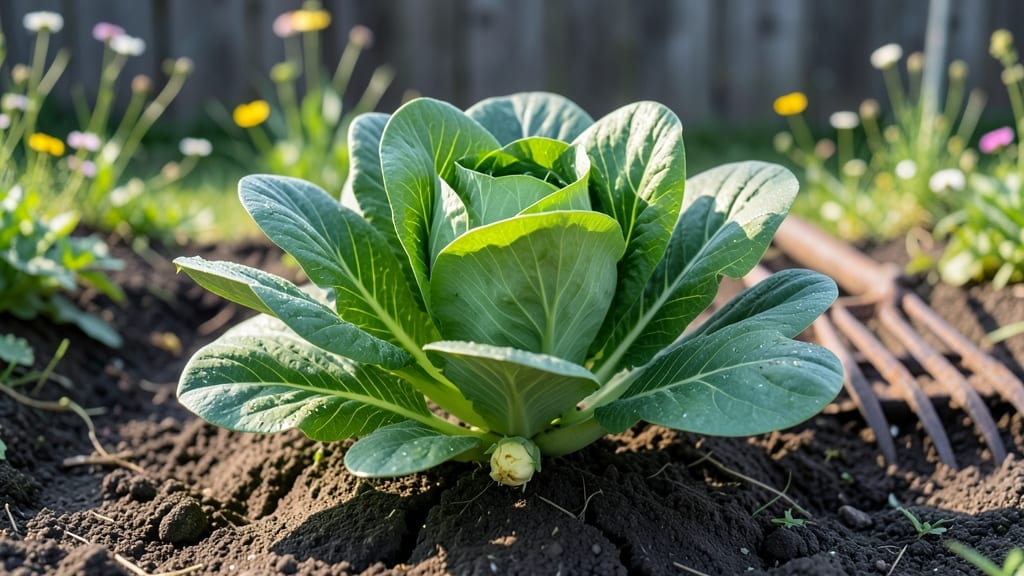
Humans garden because it connects us to nature, fosters mental well-being, and provides fresh food, all while offering a creative, therapeutic outlet that reduces stress and enhances life satisfaction through hands-on cultivation.
Gardening taps into our primal need to nurture life, a behavior that dates back to early human survival. 🌱 Studies show that tending plants triggers dopamine—the same brain chemical released during creative activities—while the rhythmic motions of digging and planting act as moving meditation.
I’ve seen firsthand how even small urban plots can transform mood, offering a tangible sense of accomplishment that digital distractions can’t replicate.
Beyond personal benefits, gardening creates community through shared harvests and knowledge, proving its modern relevance. Whether you’re growing herbs on a windowsill or tending a full vegetable patch, the act itself bridges past and present, reminding us why this practice has endured for millennia.
The key is making it accessible—whether through raised beds, vertical gardens, or even indoor microgreens.
💡 In This Article
- Evolutionary and Psychological Roots of Gardening
- Practical Ways to Maximize Gardening’s Mental and Physical Health Benefits
Evolutionary and psychological roots of gardening
Gardening’s origins trace back to our ancestors’ need for survival, where cultivating plants ensured a steady food source. Archaeological evidence shows early humans began domesticating crops around 12,000 years ago in the Fertile Crescent, shifting from hunter-gatherer lifestyles to settled communities.
This transition wasn’t just practical—it created a deep psychological bond with the land, as humans became stewards of their own sustenance. The act of planting seeds and watching them grow triggered a primal sense of control and accomplishment, a reward system hardwired into our brains. 🌱
Modern neuroscience reveals why this connection persists. Tending plants activates the mesolimbic dopamine pathway, the same neural circuit stimulated by creative activities like painting or music.
Studies from the University of Florida found that gardeners experience a 20-30% reduction in cortisol levels—the stress hormone—after just 30 minutes of gardening.
The rhythmic motions of digging, weeding, and harvesting create a meditative state, similar to mindfulness practices, while the sensory engagement (touching soil, smelling herbs, tasting fresh produce) provides multi-modal stimulation that enhances focus and memory retention.
Here’s what’s actually happening in your brain when you garden: The combination of physical movement, problem-solving (like troubleshooting plant health), and sensory input creates a triple threat of cognitive engagement.
Research published in the Journal of Health Psychology shows that gardeners exhibit improved executive function—skills like planning, organizing, and decision-making—compared to non-gardeners.
This cognitive boost occurs because gardening requires sequential attention (focusing on one task at a time) and divided attention (monitoring multiple plants simultaneously), mirroring the mental agility needed for complex problem-solving.
The psychological payoff extends beyond stress relief. Gardening satisfies our innate desire for autonomy and mastery, two key components of self-determination theory—a framework explaining human motivation. When you nurture a plant from seed to harvest, you’re not just growing food; you’re building confidence.
This sense of agency is why community gardens thrive in urban areas: They provide a shared space for skill-building, social connection, and tangible results. Even small victories, like a single tomato ripening on the vine, release dopamine, reinforcing the behavior in a positive feedback loop. 💫
Consider the sensory dimensions that make gardening uniquely therapeutic. The earthy aroma of damp soil (from geosmin, a compound produced by soil bacteria) triggers nostalgic memories, while the texture of fresh basil leaves provides tactile feedback that grounds you in the present moment.
These sensory inputs create a multi-sensory experience that’s harder to replicate in digital environments. For example, the act of pinching back flower stems to encourage bushier growth requires precise hand-eye coordination, engaging both motor and cognitive skills simultaneously—a workout for the brain as much as the body.
What most people don’t realize is how gardening bridges evolutionary survival instincts with modern mental health needs. Our ancestors who cultivated crops not only ensured food security but also developed resilience through seasonal cycles of planting, nurturing, and harvesting.
Today, this cyclical rhythm translates into structured yet flexible routines that combat modern anxieties like decision fatigue. The predictability of plant growth—seeds germinate, vines climb, flowers bloom—offers a sense of order in an increasingly chaotic world.
This is why therapeutic horticulture programs report up to 65% improvement in symptoms of depression and anxiety among participants after just 12 weeks of consistent gardening.
The takeaway? Gardening isn’t just a hobby—it’s a biologically embedded practice that aligns with how our brains and bodies are wired. Whether you’re tending a 20-square-foot windowsill herb garden or a half-acre vegetable plot, you’re participating in an ancient tradition that nourishes both body and mind.
The science is clear: This hands-on connection to nature isn’t just good for you—it’s essential for modern well-being. ✨