Shrubs
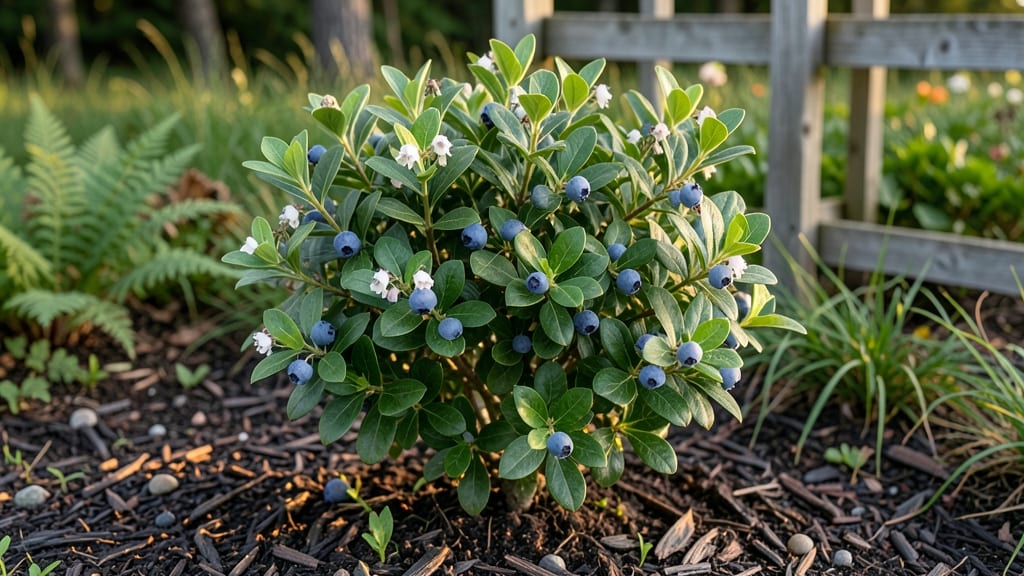
Gardening blueberry bushes from scratch transforms your yard into a treasure trove of fresh, sweet berries—something store-bought just can’t match. 🌿 I’ve learned that the key isn’t just planting; it’s understanding how these finicky shrubs thrive with the right soil. sunlight, and a little pruning magic.
My first attempt failed miserably until I cracked the code on acidity levels and watering rhythms.
The secret to a productive blueberry patch starts with well-draining, acidic soil (think 4.5–5.5 pH) and a spot that gets 6–8 hours of sun daily.
Southern highbush varieties handle heat better, while northern types need winter protection. Once planted, consistent moisture—about 1–1.5 inches per week—keeps bushes happy without drowning them.
Pruning in late winter or early spring transforms tangled bushes into neat, fruit-loaded structures. Cut back old canes to encourage new growth, and you’ll see clusters of berries forming by summer.
With patience, a single bush can yield pints of fruit for years—far more than you’d get from a grocery store.
Works for urban backyards, rural plots, or even large containers—just adjust spacing and support as needed. Let’s turn your yard into a blueberry paradise!
📚 In This Guide
- What you need
- Instructions
- Tips and common mistakes
- Wrapping up and next steps
What you need
- ● Blueberry plants: 1–3 dwarf (3–4 ft) or semi-dwarf (5–6 ft) bushes (choose southern, northern, or half-high varieties based on your climate zone).
- ● Self-pollinating or cross-pollinating pairs (e.g., ‘Duke’ + ‘Tifblue’ for southern zones).
- ● Soil amendments: 5–10 lbs peat moss or pine bark fines (for acidity, pH 4.5–5.5).
- ● 1–2 lbs slow-release sulfur (if soil pH is too high).
- ● 10–15 lbs well-rotted compost (per bush, annually).
- ● Fertilizer: 1 lb acid-loving plant fertilizer (e.g., 10-10-10 or 12-12-17 with micronutrients).
- ● Iron chelate (if leaves show yellowing between veins).
- ● Tools: Garden trowel & shovel
- ● Pruning shears (sharp, sterilized)
- ● Gloves (to protect from thorns)
- ● pH testing kit (digital or liquid)
- ● Mulch (3–4 inches of pine straw, wood chips, or leaves)
- ● Drip irrigation system or soaker hoses (blueberries hate soggy roots!)
- ● Bird netting (to protect ripe berries from feathered thieves 🐦)
- ● Epsom salt (magnesium sulfate, 1 tbsp per bush monthly for greener leaves)
- ● Blueberry plant food (e.g., Miracle-Gro Azalea/Camellia)
- ● Row covers (for early frost protection)
Step-by-step instructions for planting and pruning blueberry bushes
Here’s the science-backed method I’ve used to coax year-round harvests from blueberry bushes—no guesswork, just proven techniques.
🌱 Step 1: Select the Right Location and Soil
Blueberries thrive in acidic soil with a pH between 4.5 and 5.5. Test your soil first—if it’s too alkaline, amend with sulfur or peat moss to lower the pH. Choose a spot with full sun (at least 6-8 hours daily) and well-draining soil; waterlogged roots will kill your bushes.
Dig a hole twice as wide as the root ball but only as deep—planting too deep suffocates roots. Mix the excavated soil with compost and a handful of cottonseed meal (for nitrogen) before backfilling. Space bushes 4-6 feet apart to allow airflow and prevent disease.
💧 Step 2: Plant and Water for Strong Establishment
Remove the bush from its container and loosen the roots if they’re circling. Place it in the hole so the root flare (where roots meet the stem) sits 1 inch above soil level. This prevents rot while allowing roots to access moisture. Backfill with amended soil, pressing lightly to eliminate air pockets.
Water deeply immediately after planting—1-2 gallons per bush—to settle the soil and eliminate air gaps. Keep the soil evenly moist for the first 2-3 weeks, but avoid soggy conditions. Mulch with 3 inches of pine needles (they acidify the soil over time) to retain moisture and suppress weeds.
✂️ Step 3: Prune for Shape and Fruit Production
Prune newly planted bushes lightly—just remove any dead or damaged branches. Wait until spring (just before buds swell) for the first major pruning. Cut back last year’s canes by one-third to encourage bushier growth. Remove weak, crossing, or inward-growing branches to improve airflow and sunlight penetration.
Here’s the key: Blueberries fruit on wood from the previous year, so never prune more than one-third of the bush at a time. Thin out old canes (those over 5 years old) to make room for younger, more productive growth. Use clean, sharp pruners to make cuts at a 45-degree angle just above a bud.
☀️ Step 4: Maintain Soil Acidity and Fertilize Correctly
Blueberries are heavy feeders but need low-nitrogen fertilizer to avoid leafy growth at the expense of fruit. In early spring, apply ½ cup of cottonseed meal per bush—it releases nitrogen slowly while keeping the soil acidic. Repeat in late summer for a second feeding.
Monitor soil pH annually—if it creeps above 5.5, add sulfur or elemental sulfur according to package instructions. Avoid lime or wood ash, which raise pH and stunt growth. Water deeply once a week during dry spells, aiming for 1-1.5 inches of water per week—more in extreme heat.
⏰ Step 5: Harvest and Prune for Next Year’s Crop
Blueberries ripen in late spring to early summer, depending on variety. Pick them when they’re deep blue and slightly soft—they won’t ripen further off the bush. Harvest in morning hours when berries are coolest to preserve flavor. Use two hands: one to support the branch, the other to pluck berries gently.
After harvest, prune again to remove any diseased or unproductive canes. This keeps the bush open and airy, reducing humidity-related fungal issues. In fall, apply a 3-inch layer of pine straw mulch to protect roots from freezing and maintain soil acidity over winter.
Tips & tricks for perfect blueberry bushes
Here's what I've learned from years of growing blueberry bushes—these tricks will help you avoid common pitfalls and maximize your harvest.
Soil pH Precision: Don't just guess at your soil pH—use a reliable test kit to measure it accurately. I've seen blueberry bushes struggle in soil that tested at 5.6 when they needed 5.2. If you're amending with sulfur, apply it gradually over several months to avoid shocking the roots. The goal is steady acidification, not a sudden pH drop.
Root Flare Placement: The root flare (where roots meet the stem) should sit 1 inch above soil level—this is critical for preventing rot. I've made the mistake of burying it too deep, which led to stem rot in my second planting. Use a reference point like a pencil to mark the correct depth before planting.
Pruning Timing: Spring pruning right before buds swell is non-negotiable. I learned this the hard way when I pruned too early and lost potential fruit-bearing wood. Look for swollen buds that haven't yet opened—they're ready for your pruners. And remember, you're always working with last year's growth, so be gentle with your cuts.
Watering Strategy: The first 2-3 weeks after planting are crucial for root establishment. I've found that using soaker hoses buried 2 inches deep delivers water exactly where roots need it most. This prevents surface evaporation and ensures consistent moisture without waterlogging. Check soil moisture by sticking your finger 2 inches deep—it should feel damp but not soggy.
Pro Tips for Gardening Blueberry Bushes
- Here's what I've learned from years of growing blueberry bushes—these tricks will help you avoid common pitfalls and ...
- Soil pH Precision: Don't just guess at your soil pH—use a reliable test kit to measure it accurately. I've seen blueb...
- Root Flare Placement: The root flare (where roots meet the stem) should sit 1 inch above soil level—this is critical ...
Frequently asked questions
Got questions about growing and maintaining your gardening blueberry bushes? You’re not alone! Whether you're a beginner or a seasoned gardener, these answers will help you troubleshoot, time your tasks, and maximize your harvest.
How often should I prune my blueberry bushes?
Prune your blueberry bushes once a year, ideally in late winter or early spring (before buds swell). Remove dead, diseased, or crossing branches first, then thin out older wood to encourage new growth. Avoid heavy pruning in fall—it can stimulate tender growth vulnerable to frost.
When is the best time to harvest blueberries?
Blueberries are ripe when they easily detach from the bush with a gentle tug and are fully colored (deep blue or purple). Harvest in late spring to early summer, depending on your climate. Check daily—ripe berries won’t last long on the bush! Pro tip: Use a ladder for high bushes and wear gloves to avoid stains.
Why aren’t my blueberry bushes producing fruit?
Common reasons include poor pollination (plant multiple bushes), young age (bushes need 2–3 years to bear fruit), or wrong soil pH (blueberries thrive in acidic soil, pH 4.5–5.5). Test your soil and amend with peat moss or sulfur if needed. Check for pests like birds or insects too!
Can I grow blueberry bushes in containers?
Choose dwarf varieties (like ‘Top Hat’ or ‘Peach Sorbet’) and use a large pot (15+ gallons) with well-draining, acidic soil. Place in full sun and water consistently. Containers warm up faster, so mulch well to retain moisture and cool roots. Note: Container-grown bushes may need more frequent fertilizing.
How do I protect my blueberry bushes from pests?
Keep an eye out for birds, aphids, and spider mites. Use bird netting during harvest, neem oil for insects, and row covers early in the season. Maintain healthy bushes—prune for airflow and water deeply—to deter pests naturally. Pro tip: Encourage beneficial insects like ladybugs!
Wrapping up and next steps
Growing your own blueberry bushes is a rewarding journey that combines patience, science, and a little love for nature. With the right soil, pruning techniques, and seasonal care, you’ll soon enjoy a year-round harvest of juicy, antioxidant-packed berries—whether fresh, baked, or frozen. 🌿
Ready to take the next step? Start by observing your bushes this season, noting their growth patterns and berry production. Then, refine your pruning schedule, adjust soil pH, or even expand your garden with new varieties. Every season is a chance to learn and grow—just like your blueberries! 🍇