
Pests
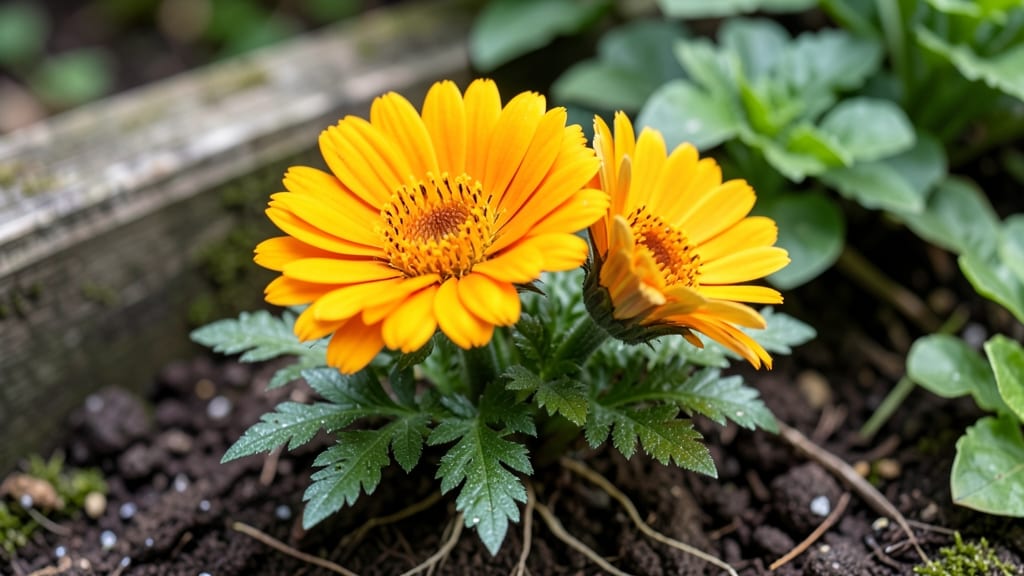
My slug prevention garden starts with a few simple but foolproof barriers that actually work—no more waking up to shredded lettuce or slimy trails on your patio. 🌱 The key is combining physical blockades, natural repellents, and smart plant choices that slugs just can’t stand.
I’ve tested everything from copper tape to crushed eggshells, and these are the methods that finally gave me peace of mind.
You’ll need just a handful of supplies: copper tape for raised beds, diatomaceous earth for borders, and a few slug-resistant plants like thyme or rosemary. The best part? These solutions are chemical-free and work for both veggie patches and flower beds.
I’ll show you how to set them up in under 30 minutes—no fancy tools required. The secret is consistency, not complexity.
By the end, you’ll have a garden where slugs give up and move on to someone else’s yard. Imagine crisp lettuce, unchewed hostas, and zero slimy surprises at dawn. The results are shockingly effective once you layer these defenses right. Let’s get your garden back—and keep it that way.
Works in shady spots, sunny beds, and even container gardens. Whether you’re dealing with a new infestation or just want to stay ahead, these tricks adapt to any garden size. Ready to reclaim your plants?
The Hidden Triggers Behind Slug Infestations
Slugs may seem like harmless garden guests, but they’re actually opportunistic pests that thrive under the right conditions. Understanding why they overrun your garden is the first step to keeping them at bay.
Below, we break down the key causes of slug outbreaks—so you can address them directly with natural solutions.
Slugs are 90% water by weight, so they’re always on the hunt for humid environments. Here’s why moisture fuels their population:
- Heavy Rain or Overwatering 🌧️ Slugs emerge en masse after prolonged rain because their favorite hiding spots (under leaves, mulch, or debris) become saturated. Even well-meaning gardeners can accidentally create slug paradises by watering too frequently or too heavily, especially in the evening (when slugs are most active).
- Poor Drainage in Garden Beds If your soil retains water like a sponge, slugs will linger. Test your drainage by digging a small hole—if water pools after 30 minutes, you’ve got a slug magnet. Clay-heavy soils are particularly problematic.
- Morning Dew & Shady Spots Slugs are nocturnal, but they love the damp conditions created by morning dew. Shady, low-lying areas (like under dense foliage or near north-facing walls) stay moist longer, giving slugs the perfect breeding ground.
💡 Pro Tip: Water in the early morning (before 10 AM) to let soil dry by evening. Use drip irrigation instead of sprinklers to keep leaves dry.
Slugs aren’t picky eaters—they’ll munch on decaying matter, fallen fruit, and even compost piles. Here’s how your garden might be unknowingly feeding them:
- Compost Piles That Aren’t Hot Enough A cool compost pile (below 140°F) is a slug nursery.
If your compost isn’t heating up, slugs will lay eggs inside, hatching thousands of new pests. Turn your pile regularly and add carbon-rich materials (like shredded cardboard or dry leaves) to raise the temperature.
- Fallen Fruit & Overripe Produce Slugs are drawn to fermenting sugars, so dropped apples, overripe tomatoes, or even melon rinds can attract them like a dinner bell. Clear debris weekly—especially after harvests—to remove their free meals.
- Thick Mulch Layers While mulch helps retain moisture, thick layers (over 2–3 inches) create a damp, dark microclimate perfect for slugs. Opt for coarse mulch (like pine straw or wood chips) instead of fine bark or straw, which holds moisture longer.
✨ Quick Fix: Spread dry, coarse sand or diatomaceous earth around plants to discourage slugs from crawling over mulch.
Slugs have few natural enemies, but when their predators are missing, populations explode. Here’s why your garden might be slug-free of checks and balances:
- Missing Birds & Frogs Birds (like thrushes), toads, and frogs devour slugs, but they avoid gardens with few hiding spots or chemical pesticides. Plant native shrubs (like berry bushes) and small water features to attract these allies.
- No Ground-Beeting Beetles or Hedgehogs These creatures are slug superpredators, but they need undisturbed soil and leaf litter to thrive. If your garden is too tidy, they’ll move on. Leave small patches of bare soil and pile up logs to encourage them.
- Overuse of Broad-Spectrum Pesticides Chemicals like metaldehyde (a common slug bait) kill beneficial insects along with slugs, disrupting the food chain. Instead, use targeted, organic barriers (like copper tape or beer traps) to avoid collateral damage.
🎯 Action Step: Install a small pond or birdbath to attract amphibians. Even a toad house (a simple upturned clay pot) can make a difference.
Not all plants are equal when it comes to slug attraction. Some varieties are especially appealing because of their soft leaves, high moisture content, or sweet nectar. Here’s what’s on the slug menu:
- Tender, Succulent Plants Slugs love young, soft growth. Seedlings, lettuce, hostas, and calendula are prime targets. Avoid planting these near slug hotspots (like shady, damp corners).
- Night-Blooming or Nectar-Rich Flowers Flowers like evening primrose, honeysuckle, and petunias release nectar at night, drawing slugs in for a late snack. If you want night-bloomers, place them in raised beds or use slug-resistant companions (like thyme or lavender).
- Hostas & Ferns: The All-You-Can-Eat Buffet These plants are slug magnets because their broad, fleshy leaves are easy to chew. If you grow them, elevate them in containers or surround them with crushed eggshells (which slugs dislike).
🔥 Prevention Hack: Interplant slug-deterring herbs (like rosemary, sage, or mint) around vulnerable plants. The strong scent confuses slugs and keeps them away.
Slugs don’t just appear—they time their attacks based on weather. Understanding their life cycle triggers helps you stay ahead:
- Spring & Early Summer: Egg-Laying Peak After winter, slugs migrate to lay eggs in moist, shaded soil. If your garden stays damp in spring, you’ll see mass hatchings by June.
- Cool, Wet Summers: The Perfect Slug Season Unlike snails, slugs thrive in mild, humid weather (ideal for them: 60–75°F with high humidity). Heatwaves force them underground, but they rebound quickly when rains return.
- Fall: The Feasting Frenzy As temperatures drop, slugs eat voraciously to store energy for winter. This is when they devour the most crops—so harvest susceptible plants early or protect them with physical barriers.
⏰ Seasonal Tip: Fall is the best time to install slug barriers (like copper tape or gravel) before the big feeding frenzy begins.
Natural Ways to Stop Slugs Fast
Slugs may seem unstoppable, but with the right strategies, you can reclaim your garden without harsh chemicals. Below are practical, slug-proof solutions tailored to common causes—from damp soil to hiding spots—plus prevention tips to keep your plants safe long-term.
Slugs thrive in moist, shaded areas where soil stays soggy. If your garden is a slug buffet, drainage and airflow are your best defenses.
How to Fix It:
- 🍳 Raise Planting Beds – Elevate containers or create mounded soil to improve drainage. Slugs avoid dry, well-aerated soil.
- 👨🍳 Use Gravel or Sand Mulch – Spread a 2-inch layer of coarse gravel or sharp sand around plants. Slugs dislike crawling over rough textures.
- ⏰ Water in the Morning – Wet soil at night gives slugs a party zone. Water early so soil dries by evening.
- 🔪 Install French Drains – For chronically soggy spots, dig shallow trenches filled with gravel to redirect water away from plant roots.
💡 Pro Tip: Avoid thick organic mulch (like wood chips) near slug-prone plants—it holds moisture like a sponge.
Slugs hide under debris, dense foliage, and ground covers. Remove their cover and they’ll slink away.
How to Fix It:
- 🍳 Clear Debris Daily – Rake up leaves, weeds, and plant clippings, especially after rain. Slugs use these as shelter.
- 👨🍳 Prune Overgrown Plants – Trim thick ground covers (like hostas or ferns) to reduce slug-friendly shade and humidity.
- 🥘 Install Physical Barriers – Surround vulnerable plants with:
- Copper tape (gives them a mild electric shock—slugs hate it!).
- Crushed eggshells (sharp edges deter crawling).
- Diatomaceous earth (food-grade only—reapply after rain).
💡 Pro Tip: Place barriers at soil level—slugs can’t climb smooth surfaces like metal or plastic sheets.
Slugs are nocturnal. Disrupt their nightly buffet with strategic lighting and traps.
How to Fix It:
- 🍳 Use Solar-Powered Lights – Motion-activated lights startle slugs and keep them away from garden edges.
- 👨🍳 Set Beer Traps – Bury a shallow dish filled with beer near plants. Slugs crawl in but can’t escape (dispose of them far from the garden).
- 🥘 Try Coffee Grounds – Sprinkle used coffee grounds around plants. The caffeine acts as a natural repellent (and improves soil).
- ⏰ Handpick at Dusk – Shake plants over a bucket of soapy water (slugs dissolve instantly—gross but effective!).
💡 Pro Tip: Place traps 10+ feet from target plants—slugs will still find food if traps are too close.
New seedlings are slug magnets. Shield them early with these low-effort tricks.
How to Fix It:
- 🍳 Use Collars – Cut plastic or cardboard tubes (like toilet paper rolls) and sink them 1–2 inches into soil around stems. Slugs can’t climb over the lip.
- 👨🍳 Grow Slug-Resistant Plants – Swap vulnerable plants (like lettuce or marigolds) for slug-deterrents:
- Lavender (strong scent repels them).
- Thyme or Rosemary (crush leaves to release oils).
- Geraniums (slugs avoid their texture).
- 🥘 Apply Eggshell Barriers – Crush eggshells into a fine powder and sprinkle around seedlings. The sharp edges act like tiny razors.
💡 Pro Tip: Rotate crops yearly—slugs learn patterns and will target the same spots.
Once you’ve evicted slugs, design your garden to keep them out for good.
How to Fix It:
- ✨ Plant Strategically – Create a "slug-free zone" with:
- Drought-tolerant plants (like sedum or succulents—slugs avoid dry leaves).
- Upright growers (trellises keep foliage off the ground).
- 🎯 Improve Drainage – Amend clay soil with compost or sand to reduce moisture retention.
- 🔥 Add Predator Plants – Attract slug-eating allies:
- Henhouse plants (like comfrey) draw in ground beetles.
- Dill or fennel attract parasitic wasps that prey on slug eggs.
💡 Pro Tip: Rotate barriers seasonally—slugs adapt to one method, so mix up copper tape, diatomaceous earth, and handpicking.
🚀 Final Reminder: Consistency is key! Slugs return if you stop mid-strategy. Check your garden weekly, especially after rain, and adjust barriers as needed. With these methods, your plants will stay slug-free—and your sanity intact!
Frequently asked questions
What’s the fastest way to see results with slug barriers?
Combine copper tape around raised beds with diatomaceous earth (food-grade) along borders. Copper creates an instant shock barrier, while diatomaceous earth dehydrates slugs within 24-48 hours. Check vulnerable plants daily for slimy trails—if you see none within 3 days, the method’s working!
Can I use coffee grounds as slug prevention?
Yes! Sprinkle used coffee grounds around plants—the caffeine acts as a natural repellent. Reapply every 3-5 days or after rain, as it loses effectiveness when wet. Bonus: it improves soil fertility! For best results, mix with crushed eggshells to create a double deterrent.
Will slugs eventually stop coming back if I use barriers?
Not always—slugs are persistent! Rotate methods seasonally (e.g., copper tape in spring, beer traps in summer). The key is consistency: check barriers weekly, especially after rain. Combine physical barriers with slug-resistant plants (like thyme or lavender) to create a long-term deterrent.
Are there any plants that naturally repel slugs?
Plant rosemary, sage, or mint near vulnerable areas—their strong scents confuse slugs. Garlic chives and alliums also work well. For flowers, try geraniums or fuchsias, which slugs avoid. Interplant these with your favorite crops for a dual-purpose garden.
What’s the best time of day to handpick slugs?
Go out at dusk or dawn when slugs are most active. Use a flashlight to spot them—look for shiny trails on leaves or soil. Drop them into a bucket of soapy water (they dissolve instantly) or relocate them 10+ feet away from your garden. Wear gloves for hygiene!