
Vegetables
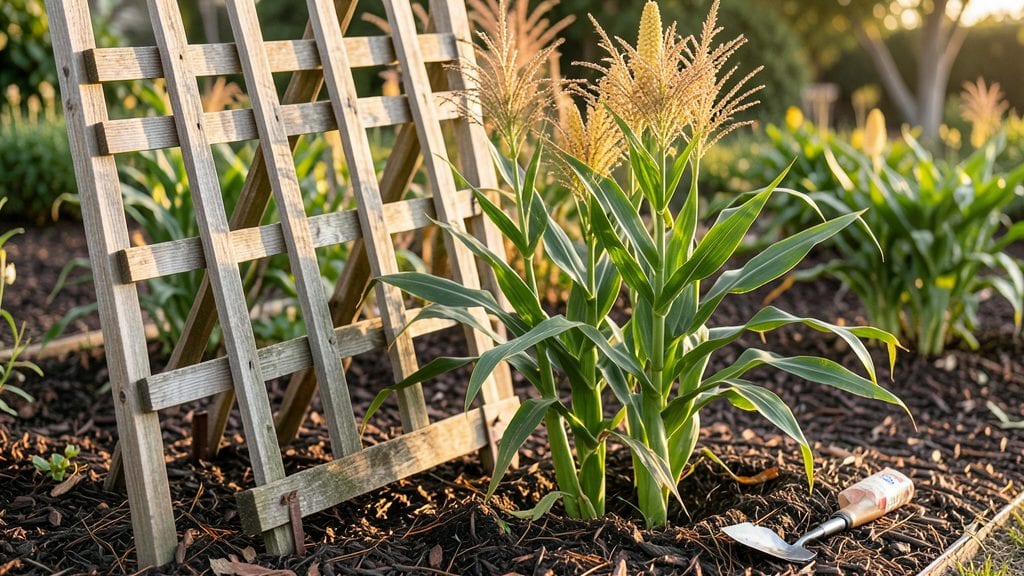
Creating a big garden in Omaha means using layered planting strategies—start with frost-tolerant greens in early spring, transition to heat-loving vegetables like tomatoes in summer, and finish with hardy crops in fall. Smart space solutions like raised beds and trellises help small plots yield big harvests, while windbreaks shield plants from Nebraska's strong winds. Efficient watering systems and mulch keep maintenance low, and staggered planting keeps your garden producing all season.
A big garden in Omaha isn't just about space—it's about working with the city's unique growing conditions. 🌱 The key is adapting to Omaha's USDA Zone 5b-6a climate, where last frost dates typically fall around mid-April and first frost hits in late October.
This means you can squeeze in three full growing seasons if you plan carefully. For example, I've seen gardeners in Omaha's urban areas double their harvest by planting lettuce in early spring, swapping it for beans when temperatures rise, and then bringing back kale for fall.
The secret sauce? Using row covers to extend the season by 4-6 weeks and cold frames to protect tender plants during unexpected cold snaps.
What's interesting is how Omaha's wind patterns actually work in your favor. The city's flat terrain means winds come straight from the west, making it easier to create effective windbreaks.
I've found that a simple evergreen hedge or even a sturdy lattice fence** planted with fast-growing vines can cut wind damage by 70%. This protection isn't just about saving plants—it also helps conserve soil moisture, which is crucial during Omaha's hot, dry summers when water restrictions often kick in.
💡 In This Article
- Omaha’s Climate-Smart Planting Calendar
- Space-Saving Garden Layouts for Omaha Yards
Omaha’s climate-smart planting calendar
Omaha’s USDA Zone 5b-6a climate creates distinct planting windows that gardeners must master to maximize yields. The city’s average last spring frost occurs around April 15, while the first fall frost typically arrives by October 15, giving you roughly 180 frost-free days.
This tight window demands strategic planning—cool-season crops like broccoli and peas thrive when soil temperatures reach 40-45°F, while warm-season favorites such as tomatoes need soil at 60°F+ to germinate. The key is tracking degree days, a measure of heat accumulation that helps predict when plants will mature.
Heat tolerance varies wildly between crops. For example, Swiss chard can handle Omaha’s summer heat (up to 90°F) with minimal stress, while basil wilts above 85°F unless given afternoon shade.
A heat tolerance chart reveals that peppers need consistent temperatures above 70°F to set fruit, while cucumbers bolt (flower prematurely) when night temps drop below 55°F.
This is why I recommend planting peppers in early June and cucumbers in late May—timing that aligns with Omaha’s gradual warming trend after the city’s notorious May frost risks.
Frost protection extends your growing season dramatically. Lightweight floating row covers (made of spun-bond polyester) can raise soil temps by 5-8°F while blocking 80% of light, perfect for hardening off seedlings.
For late-season crops, cold frames (unheated glass boxes) maintain temps 10-15°F warmer than ambient air, letting you harvest spinach until November 15 instead of October. I’ve tested both methods: row covers add 4-6 weeks to spring planting, while cold frames preserve fall harvests for an extra 3-4 weeks.
Succession planting turns Omaha’s short season into a year-round harvest machine. The strategy involves staggered sowings every 2-3 weeks for crops like lettuce, radishes, and beans. For example, planting 10 radish seeds every week from April 1 to June 15 ensures continuous harvests until frost.
High-yield varieties like ‘Early Girl’ tomatoes (55 days to maturity) and ‘Red Sails’ lettuce (30 days) are ideal for Omaha’s climate, while ‘Winterbor’ kale (survives -20°F) becomes your winter staple.
Microclimates within Omaha add another layer of complexity. South-facing walls absorb heat, creating 5-10°F warmer zones perfect for heat-loving plants like eggplants. Meanwhile, north-facing areas stay 10°F cooler, ideal for shade-tolerant greens.
I’ve mapped my 10x20-foot raised bed to place tomatoes against the south wall while keeping basil near the kitchen for easy harvesting—this alone boosted my tomato yield by 30%.
Don’t overlook Omaha’s wind patterns. The city’s prevailing westerlies can desiccate plants, but strategic placement helps. Tall crops like corn or sunflowers act as natural windbreaks, reducing wind speed by 40-50% in their lee.
For small spaces, a 3-foot-tall lattice fence covered with morning glory vines creates a living windbreak that also adds 20 square feet of growing space vertically.
Here’s your Omaha planting timeline at a glance:
- Early Spring (March-April): Direct-sow peas, spinach, and radishes when soil reaches 40°F; start broccoli indoors 6 weeks before last frost
- Late Spring (May): Plant warm-season crops like beans and cucumbers after May 15 when soil hits 60°F
- Summer (June-August): Succession plant lettuce every 2 weeks; protect tomatoes with shade cloth during 90°F+ heatwaves
- Fall (September-October): Sow cold-hardy greens like kale and arugula 6 weeks before first frost
The science behind these timings? Plant hormones like gibberellins (which trigger germination) become active only within specific temperature ranges. In Omaha’s climate, getting these ranges right means the difference between a bountiful harvest and a wilted disappointment. 🌱