
Vegetables
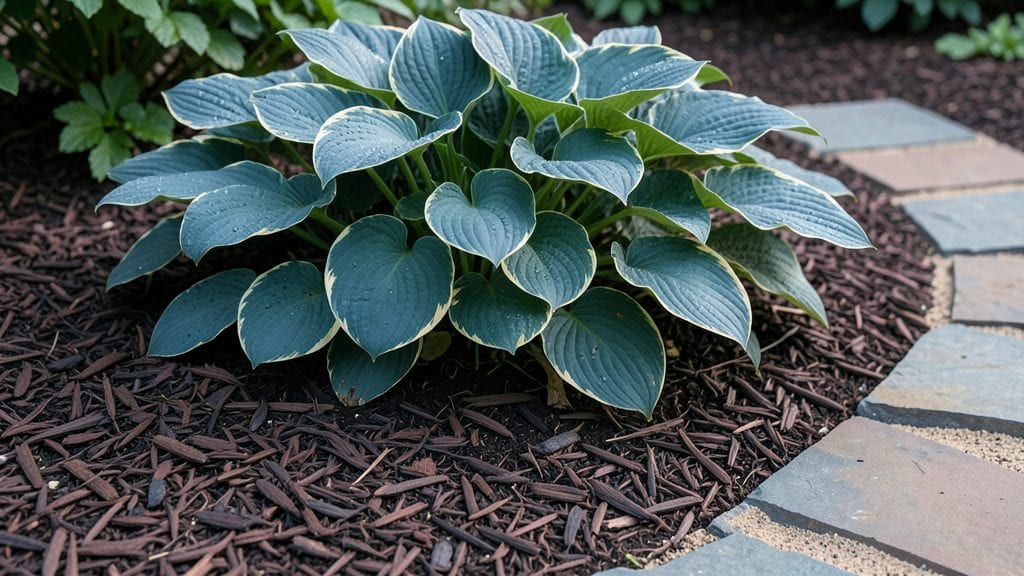
These pics of hosta gardens I’ve gathered over the years prove that shady spots can become velvety green havens where every leaf tells a story—from wild drifts to layered borders that do far more than just fill space.
They create drama through texture, color, and strategic placement that makes even the darkest corner feel alive.
The magic happens in the details: pairing deep-blue hostas with silvery ferns, framing bold foliage with delicate astilbes, or letting variegated edges soften the look.
You don’t need a huge yard—containers and small borders work just as well—so long as you group plants by size (tall in back, medium in middle, low growers up front) and repeat colors for cohesion. The results? A garden that looks polished without trying.
What you’ll get from these designs is a calm, lush retreat that thrives where other plants struggle. The foliage stays vibrant all season, the maintenance is minimal, and the shade it creates lets you relax under dappled light.
Plus, deer and rabbits usually leave hostas alone—unlike many other shade plants. Ready to see how these gardens come together?
From woodland escapes to modern minimalist beds, the examples ahead prove hostas aren’t just filler—they’re the stars. Whether you’re refreshing an old garden or starting fresh, these layouts show how to make hostas the backbone of your shade strategy. Let’s dive into the designs that’ll inspire your next project.
📚 In This Guide
- What you need
- Instructions
- Tips and common mistakes
- Wrapping up and next steps
What you need
- ● Hosta plants (variety depends on your design): 5–10 mature hostas (12–18" pots) for a full look
- ● 10–20 smaller hostas (6–12" pots) for fillers or borders
- ● Pro tip: 💡 Mix textures (e.g., Hosta lancifolia for spikes, Hosta sieboldiana for broad leaves) for depth!
- ○ Shade-tolerant companions (optional but recommended): 5–8 ferns (e.g., Matteuccia struthiopteris)
- ● 3–5 astilbes or heucheras for color
- ● 2–3 evergreen shrubs (e.g., Pieris japonica) for structure
- ● Mulch (2–3 bags): Shredded bark or pine needles (2–3 inches deep)
- ● Pro tip: 🌡️ Mulch retains moisture—critical for hostas!
- ● Garden tools: 1 trowel (for transplanting)
- ● 1 pruning shears (for shaping)
- ● 1 wheelbarrow (for hauling soil/mulch)
- ● 1 garden hose with spray nozzle (for watering)
- ○ Soil amendments (optional but helpful): 1 bag peat moss or compost (to improve drainage)
- ● 1 lb slow-release fertilizer (10-10-10 or organic)
- ● A shady spot (4+ hours of shade daily; hostas hate direct sun!)
- ● Well-draining soil (amend clay soil with compost)
- ● Water source nearby (hostas need 1–2 inches of water weekly)
- ● Pro tip: ✨ Test soil pH (ideal: 6.0–7.5); adjust with lime or sulfur if needed.
How to design a stunning hosta garden in shady spots
Hostas thrive where others falter—here’s how to create a lush, low-maintenance shade garden that steals the show.
Choose the Right Hosta Varieties for Your Light Conditions
Hostas come in every shade of green, blue, and variegated pattern, but their sunlight needs vary. For deep shade (under trees with less than 3 hours of sunlight daily
I always group hostas by size at planting—tall varieties like 'Sum and Substance' in the back, mediums like 'Patriot' in the middle, and compact ones like 'June' in the front. This creates a natural tiered effect that draws the eye. Check the mature height of each variety before buying; some 'dwarf' hostas grow wider than expected. Hostas love rich, moist soil with good drainage—think of them as the divas of the shade garden. Amend your native soil with 2-3 inches of compost before planting to improve fertility and water retention. If your soil drains poorly, mix in 1 part perlite for every 3 parts soil to prevent root rot. I test soil pH first; hostas prefer 6.0-7.0—too acidic, and their leaves yellow. Dig planting holes twice as wide as the root ball but only as deep. Hostas hate sitting too low in the soil, which can cause stem rot. Water the hole thoroughly before placing the plant in—this settles the soil and eliminates air pockets. Gently spread roots outward if they’re circling the root ball; this encourages faster establishment. Space hostas 12-24 inches apart, depending on mature size—closer for small varieties, farther for giants. I plant in odd-numbered groupings (3, 5, or 7 plants) to create natural clusters that look intentional. Place the largest leaves facing outward to frame the center of the planting. For dramatic contrast, pair blue-green hostas like 'Blue Mouse Ears' with golden varieties like 'Golden Tiara'. Water deeply right after planting to settle the soil and eliminate air pockets. Mulch with 2-3 inches of shredded bark or pine needles to retain moisture and suppress weeds. Avoid thick mulch layers—hostas dislike smothered crowns. A light layer also protects leaves from winter dieback in colder climates. Hostas need 1-1.5 inches of water weekly during the growing season, more in extreme heat. Water at the base in the morning to reduce fungal diseases like leaf spot. I fertilize in early spring with a balanced 10-10-10 formula and again in mid-summer with a slow-release granular. Over-fertilizing causes weak stems and attracts slugs—keep it moderate. Deadhead spent flower stalks in early summer to redirect energy to leaf growth. In fall, cut back yellowed foliage but leave healthy leaves until late winter—they provide winter interest and protect new shoots. Divide clumps every 3-4 years when centers become bare; spring or early fall are the best times. Replant divisions immediately or store in a cool, dark place until planting. Slugs and snails are hostas’ biggest enemies. I use copper tape barriers around plantings and handpick pests after rain. For severe infestations, apply iron phosphate bait—it’s pet-safe and effective. Avoid chemical slug killers; they can harm beneficial insects and leave residue on edible plants nearby. Watch for leaf spot fungus (brown spots with yellow halos) in humid weather. Remove infected leaves immediately and space plants for better airflow. If aphids appear, blast them off with a strong stream of water—hostas are tough and bounce back quickly. Rotate varieties yearly to prevent disease buildup in the soil.Prepare the Soil for Healthy Hosta Growth
Plant Hostas for Maximum Visual Impact
Maintain Hostas for Year-Round Beauty
Protect Hostas from Common Pests and Problems
Tips & tricks for perfect hosta garden design
Creating a show-stopping hosta garden comes down to these key tricks that make all the difference in your shade garden's success.
Variety Placement Matters: In Step 1, when selecting hostas for different light conditions, remember that the largest leaves should face outward in your groupings. This creates a natural focal point that draws the eye through your garden. For instance, place 'Sum and Substance' with its broad leaves at the back of your planting, while smaller varieties like 'June' can frame the front edges. The visual hierarchy makes your garden feel more intentional and balanced.
Soil Prep is Non-Negotiable: The 2-3 inches of compost you add in Step 2 isn't just about nutrients—it's about creating the perfect moisture-retentive environment hostas crave. I've found that mixing in perlite (1 part to 3 parts soil) makes an especially big difference in clay-heavy soils. After amending, do a quick pH test—hostas turn yellow when soil pH drops below 6.0, and you'll want to avoid that disappointment.
Planting Depth is Critical: When digging those twice-as-wide holes in Step 2, pay special attention to depth. Hostas hate sitting too low in the soil, which can lead to stem rot. The crown should sit just above soil level after planting. I always make a small mound of soil in the center of the hole before placing the plant—this ensures proper drainage while keeping the crown visible.
Mulching Strategy Makes a Difference: The 2-3 inches of mulch you apply in Step 3 serves multiple purposes beyond weed suppression. It helps regulate soil temperature, retains moisture, and protects against winter dieback. I've had the best results with shredded bark mulch—it breaks down slowly and improves soil structure over time. Just remember to keep it light; hostas dislike being smothered, and thick mulch layers can suffocate the crown.
Pro Tips for Pics Of Hosta Gardens
- Creating a show-stopping hosta garden comes down to these key tricks that make all the difference in your shade garden's success.
- Variety Placement Matters: In Step 1, when selecting hostas for different light conditions, remember that the largest leaves should face outward in your groupings.
- Soil Prep is Non-Negotiable: The 2-3 inches of compost you add in Step 2 isn't just about nutrients—it's about creating the perfect moisture-retentive environment hostas crave.
Frequently asked questions
Got questions about creating or maintaining a stunning hosta garden? You’re not alone! Here are some of the most common queries—plus quick answers to help you grow with confidence.
What’s the best time of year to plant hostas?
Plant hostas in early spring or early fall when soil is cool but workable. Avoid extreme heat or frost—hostas thrive in moderate temperatures. Pro tip: If planting in summer, keep soil consistently moist and mulch to retain moisture.
Can hostas grow in full shade?
Hostas are shade-loving superstars and thrive in 4–6 hours of filtered light daily. For deeper shade (like under trees), choose variegated varieties—they handle low light better. Just avoid complete darkness for optimal growth.
How do I protect hostas from slugs and pests?
Slugs and snails love hostas—but you can fight back! Use organic slug bait, copper barriers, or diatomaceous earth. For pests like aphids, spray with soapy water. Bonus: Planting marigolds or garlic nearby deters many garden pests.
Do hostas spread aggressively? How do I control them?
Hostas spread via rhizomes, so they can fill space over time. To control growth, divide clumps every 3–4 years in spring/fall. Trim excess foliage in late summer to redirect energy. Warning: They’re invasive in some regions—check local guidelines if planting near wild areas.
What are some low-maintenance hosta varieties for beginners?
Start with these hardy, forgiving picks:
- ‘Blue Angel’ – Disease-resistant, striking blue-green leaves.
- ‘Halcyon’ – Compact, fragrant, and slug-resistant.
- ‘Francee’ – Cold-hardy with bold variegation.
Wrapping up and next steps
Hostas are the unsung heroes of shade gardens—transforming dark corners into vibrant, lush retreats with minimal effort. Whether you're drawn to their bold foliage, striking variegation, or low-maintenance charm, these plants prove that shade doesn’t mean boring. 🌿✨
Ready to bring this magic to your space? Start small—pick a few hosta varieties, sketch a simple layout, and dive in! Your future garden (and future self) will thank you.
- Next step: Browse nurseries or online plant shops for your dream hostas!