Vegetables
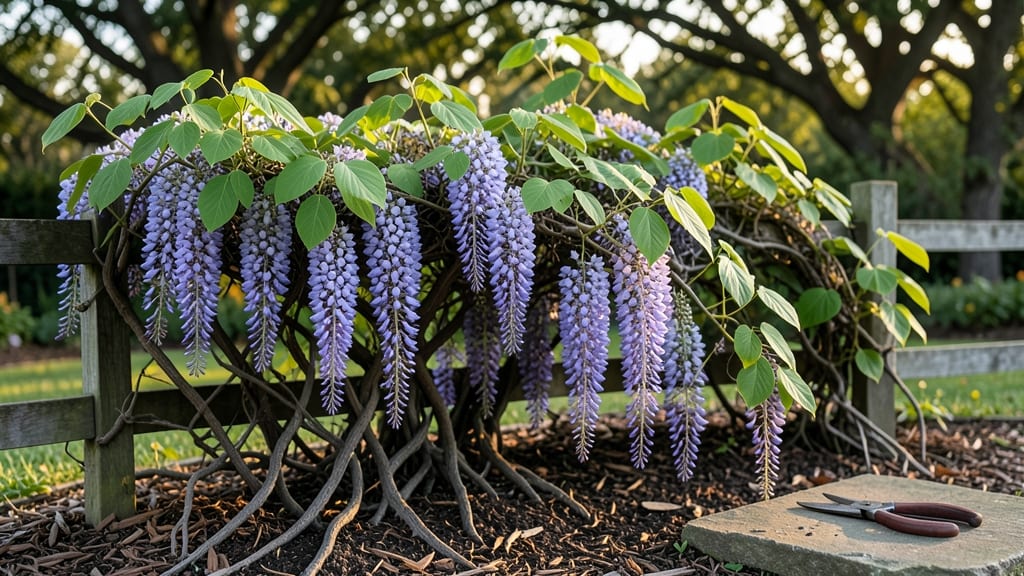
Longwood Gardens wisteria tunnels are the stuff of springtime dreams—140-foot-long cascades of lavender, pink, and white blooms that smell like heaven and make every visitor stop in their tracks. 🌿 I still remember the first time I walked through those fragrant tunnels, how the air thickened with that sweet, intoxicating scent and the branches bowed under the weight of flowers.
That moment changed how I think about climbing plants forever.
What makes Longwood’s wisteria so special isn’t just the scale—it’s the year-round structure they provide. Even when not in bloom, the dense foliage creates living privacy screens and shade. The secret?
Pruning in late winter to encourage strong new growth, paired with a sturdy support system (think arbor, trellis, or even a sturdy fence). Most gardeners underestimate how much wisteria needs space to thrive—these vines can grow 15-20 feet per year if given the right conditions.
You can recreate that magic in your own yard with just a few key moves: choose a sunny, sheltered spot, plant near a sturdy support, and be patient—it takes 3-5 years for wisteria to really take off.
The payoff? Fragrant blooms in late spring, lush greenery all summer, and a garden feature that commands attention. Imagine your own tunnel, heavy with blossoms, where every step releases that signature wisteria perfume.
For smaller spaces, consider dwarf varieties or training wisteria along a single arbor instead of a full tunnel. The key is matching the plant’s ambitions to your space—whether that’s a grand statement piece or a cozy corner.
Either way, you’re not just adding a plant; you’re creating a sensory experience that lasts for decades.
📚 In This Guide
- What you need
- Instructions
- Tips and common mistakes
- Wrapping up and next steps
What you need
- ● Wisteria plants: 1–3 Chinese wisteria (Wisteria sinensis) or Japanese wisteria (Wisteria floribunda) vines (choose based on climate and space).
- ○ Optional: Pre-rooted cuttings (faster growth) or seeds (slower but rewarding).
- ● Support structure: 1 sturdy arbor, trellis, or pergola (8–12 ft tall for mature vines).
- ○ Optional: Wire mesh or netting for early training.
- ● Soil amendments: 5–10 lbs. organic compost or well-rotted manure.
- ● 1 cup bone meal or slow-release fertilizer (for phosphorus-rich soil).
- ● Digging tools: Shovel, trowel, and garden fork.
- ● Pruning tools: Sharp bypass pruners, loppers, and gloves (wisteria thorns are serious!).
- ● Watering supplies: Garden hose with nozzle or drip irrigation system.
- ● Climate check: Verify your USDA hardiness zone (5–9 for most wisteria varieties).
- ○ Optional: Mulch (2–3 inches of wood chips) to retain moisture.
How to cultivate wisteria vines like Longwood Gardens’ showstopping arbors
These fragrant climbers take patience, but the results—romantic, cascading blooms—are worth every season of care.
🌱 Step 1: Choose the Right Wisteria Variety for Your Climate
Longwood Gardens features Wisteria sinensis and Wisteria floribunda, but your best bet depends on your zone. Wisteria floribunda thrives in USDA Zones 5-8 and produces those iconic lavender-blue clusters, while Wisteria sinensis handles Zones 4-9 with slightly smaller blooms. Avoid Wisteria frutescens—it’s invasive in many regions.
I always check the USDA map before buying, because wisteria’s wood can die back in harsh winters. If you’re in Zone 9+, consider Wisteria brachybotrys (Japanese wisteria), which blooms later and tolerates heat better. Look for established 2-3 year old plants at specialty nurseries—they’ll bloom faster than seed-grown vines.
🪴 Step 2: Plant in Well-Draining Soil with Full Sun Exposure
Dig a hole twice as wide as the root ball but no deeper—wisteria roots need room to spread horizontally. Amend heavy clay soil with 3-4 inches of compost mixed into the bottom of the hole. Wisteria hates soggy roots, so if your soil drains poorly, raise the planting area with a mound or add coarse sand to the mix.
Position the vine where it gets at least 6 hours of direct sun daily. Longwood Gardens’ wisteria arbors face south for maximum blooms, but east or west works too. Plant in early spring or fall, giving roots 6-8 weeks to establish before summer heat or winter cold hits. Stake the vine temporarily to prevent wind damage while it settles in.
☀️ Step 3: Train and Prune for Strong, Blooming Growth
Wisteria needs a sturdy trellis, arbor, or fence to climb—Longwood Gardens uses 10-12 foot tall wooden arbors for dramatic effect. Install your support structure before planting, then tie the main stem to the top of the trellis as it grows. Use soft plant ties or old pantyhose to avoid damaging the bark.
Prune in late winter or early spring before new growth starts. Remove 1/3 of last year’s growth to encourage flowering. Cut back leggy stems to a strong bud, and thin out crowded branches to improve airflow. Never prune after mid-summer—you’ll sacrifice next year’s blooms. Watch for suckers at the base and remove them immediately, as they drain energy from the main vine.
💧 Step 4: Water Deeply and Fertilize for Maximum Blooms
Water newly planted wisteria deeply 2-3 times per week until established, then taper to once a week during dry spells. The roots should reach 12-18 inches deep for stability. Mulch with 2-3 inches of wood chips to retain moisture and protect roots in winter.
Feed in early spring with a balanced 10-10-10 fertilizer at half strength, then again after blooming. Avoid high-nitrogen fertilizers—they produce lush foliage but fewer flowers. Longwood Gardens’ wisteria thrives with low-phosphorus, high-potassium amendments in fall to support root development and next year’s buds.
⏰ Step 5: Enjoy the Blooms and Plan for Next Season
Wisteria typically blooms in late spring to early summer, but some varieties like Wisteria brachybotrys flower in fall. The first year, you might see only a few clusters—patience is key. Once established, a healthy vine can produce 10-20 feet of blooms annually, filling the air with intoxicating fragrance.
After flowers fade, leave seed pods on the vine for a few weeks—they add winter interest, and the seeds feed birds. Remove them in late fall to prevent self-seeding. Take photos of your arbor’s progress each season; comparing year-to-year growth is incredibly rewarding. With proper care, your wisteria will become the centerpiece of your garden, just like Longwood Gardens’ legendary displays.
Tips & tricks for perfect wisteria arbor cultivation
Creating a showstopping wisteria arbor takes more than just planting a vine—it's about understanding the subtle details that make the difference between a struggling plant and a Longwood Gardens-worthy display.
Variety Selection Matters: When choosing between Wisteria floribunda and Wisteria sinensis, consider your climate zone carefully. I always verify my zone on the USDA map before purchasing—winter dieback is a real risk for wisteria in colder climates. For Zone 9+ gardeners, Wisteria brachybotrys is my go-to for its heat tolerance and later blooming season. Remember, established 2-3 year old plants will bloom faster than seed-grown vines, so invest in quality if you're eager for flowers.
Soil Preparation is Non-Negotiable: The instructions mention digging a hole twice as wide as the root ball, but I can't stress enough how important proper soil preparation is. If your soil drains poorly, consider creating a raised planting mound rather than just adding sand. I've seen wisteria roots rot in heavy clay when not properly amended. Test your soil's drainage by digging a hole, filling it with water, and checking how long it takes to drain—if it's still wet after 6 hours, you need to improve drainage.
Pruning Timing is Critical: The instructions specify pruning in late winter or early spring, but I've learned the hard way that timing matters even within that window. Prune when you see the first signs of bud swell—this ensures you're not cutting off potential blooms. I always make my final pruning cuts just as the buds begin to plump up, which typically falls around early March in my Zone 6 garden. This timing gives your vine just enough time to develop next year's flower buds before summer growth begins.
Watering Strategy Makes All the Difference: While the instructions recommend watering deeply 2-3 times per week until established, I've found that morning watering is crucial. Watering in the early morning allows foliage to dry completely before evening, preventing fungal diseases that can stress wisteria vines. I also monitor the soil moisture by sticking my finger about 2 inches down—if it's dry at that depth, it's time to water. This method helps prevent both underwatering and overwatering, both of which can stress your vine.
Pro Tips for Longwood Gardens Wisteria
- Creating a showstopping wisteria arbor takes more than just planting a vine—it's about understanding the subtle detai...
- Variety Selection Matters: When choosing between Wisteria floribunda and Wisteria sinensis, consider your climate zon...
- Soil Preparation is Non-Negotiable: The instructions mention digging a hole twice as wide as the root ball, but I can...
Frequently asked questions
Got questions about Longwood Gardens’ stunning wisteria displays? Here are some of the most common inquiries—plus expert answers to help you plan your visit or even grow your own!
When is the best time to see wisteria in bloom at Longwood Gardens?
The wisteria at Longwood Gardens typically blooms in late spring to early summer (May–June), but some varieties may rebloom in fall (September–October). For the most vibrant displays, visit during peak bloom in May or September when the gardens host special events like Wisteria Festival.
Can I bring my own camera or drone to capture the wisteria?
Yes! Longwood Gardens welcomes photography for personal use, but drones are prohibited without prior permission. For professional shoots, check their media policies. Pro tip: Early mornings or golden hour offer the softest light for dreamy photos!
Is it possible to grow wisteria at home, and what’s the easiest variety for beginners?
Start with Wisteria sinensis or Wisteria floribunda—both are hardy and fragrant. Plant in well-draining soil with full sun, and be patient: wisteria can take 3–5 years to bloom. Warning: They grow aggressively, so prune annually to control vines. Longwood’s horticulture team offers great tips for care!
Why isn’t my wisteria blooming, even after years of growth?
Common culprits include lack of sunlight, over-pruning, or poor nutrition. Wisteria needs 6+ hours of sun daily and benefits from a balanced fertilizer in early spring. If it’s young, blooming may take longer—patience is key! For troubleshooting, consult Longwood’s plant care guides.
Are there alternatives to wisteria for fragrant climbers with less maintenance?
If wisteria’s growth demands feel overwhelming, try Clematis (easy to train) or Jasmine (heavily fragrant, low-maintenance). For a Longwood-inspired look, Honeysuckle or Climbing Roses (like ‘New Dawn’) offer stunning blooms with less aggression. Visit the gardens’ botanical trials for more ideas!
Wrapping up and next steps
Longwood Gardens’ wisteria isn’t just a seasonal spectacle—it’s a year-round masterpiece of cascading blooms, fragrant charm, and horticultural artistry. Whether you’re dreaming of cultivating your own or simply soaking in its beauty, this arboreal wonder proves that patience and passion yield unforgettable rewards. 🌸
Ready to bring a touch of Longwood’s magic to your space? Start small—research your climate, select the perfect variety, and take that first step toward growing your own fragrant haven. The journey begins with a single seedling (or cutting)!