
Planting
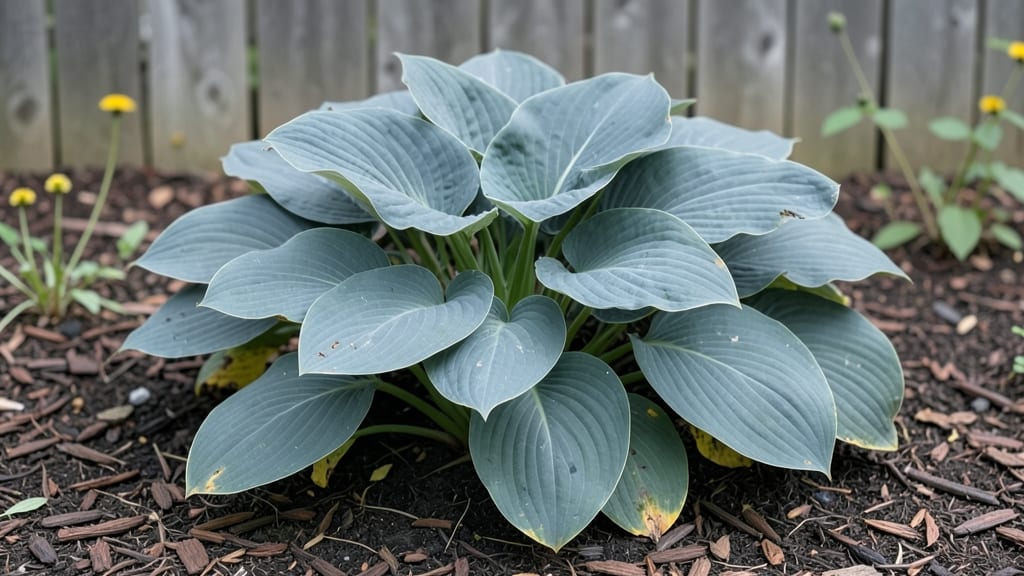
Zone five gardening turns your short growing season into a year-round victory with the right timing and cold-hardy choices. 🌱 I’ve learned that the key isn’t fighting the climate—it’s working with it, planting heat-lovers early and frost-tolerant crops late.
That first frost in October doesn’t have to mean the end of your harvest if you know which plants to prioritize.
The real secret is matching your planting schedule to Zone 5’s unpredictable swings. Start cool-season crops like spinach and peas in early spring when soil hits 40°F, and don’t wait until May for tomatoes—get them indoors by March 1st to beat the last frost.
My garden thrives because I treat frost dates like deadlines, not guesswork.
You’ll end up with a garden that stays productive well into fall, thanks to varieties like kale, broccoli, and carrots that actually improve after light frosts.
The payoff? Fresh harvests when most neighbors are done for the year. Here’s how to nail the timing and pick the right plants for your region.
This isn’t about growing everything—it’s about growing the right things at the right time. Whether you’re dealing with late springs or early frosts, these strategies keep your garden humming year after year. Let’s get those seeds in the ground the smart way.
📚 In This Guide
- What you need
- Instructions
- Tips and common mistakes
- Wrapping up and next steps
What you need
- ● Soil: 1–2 cubic yards of high-quality garden soil (amended with compost for better drainage)
- ○ Optional: Peat moss or coconut coir (1–2 bags) for moisture retention in heavy clay soils
- ● Fertilizers & Amendments: 10–20 lbs of balanced organic fertilizer (10-10-10 or 5-5-5)
- ● 5–10 lbs of composted manure (cow, chicken, or worm castings)
- ○ Optional: Slow-release granules (e.g., Osmocote) for long-term nourishment
- ● Mulch: 2–3 bags of organic mulch (straw, wood chips, or shredded leaves)
- ● Tools: 1 garden trowel (for transplanting)
- ● 1 pruners (bypass for clean cuts)
- ● 1 garden fork (for aerating soil)
- ● 1 wheelbarrow (for hauling soil/amendments)
- ○ Optional: Soil pH tester (to check acidity/alkalinity)
- ● Cold-Hardy Plants: Perennials: Coneflowers, lavender, Russian sage (Zone 5 hardy)
- ● Vegetables: Kale, broccoli, potatoes, peas (cool-season favorites)
- ○ Optional: Cold frames or row covers for extending the growing season
- ● Location: Full sun (6+ hours/day) or partial shade (depending on plant types)
- ● Climate Prep: Know your last frost date (typically late April–early May in Zone 5)
- ● Water Access: Hose with spray nozzle or drip irrigation system
- ● Safety Gear: Gloves, knee pads, and sunscreen (because gardening is work)!
Zone five gardening: mastering the seasonal dance of cold-hardy plants
Here’s how to turn your zone five garden into a year-round powerhouse—without guessing when to plant or what to protect.
🌱 Step 1: Plan Your Planting Calendar Around Frost Dates
Zone five’s biggest challenge is timing—too early and frost zaps seedlings, too late and summer heat arrives before harvest. I start by marking my last spring frost date (around April 15 in most zone five areas) and first fall frost (October 15). For cool-season crops like kale or peas, plant 4-6 weeks before the last frost so they mature before summer heat sets in.
Warm-season plants like tomatoes or peppers need to wait until 2 weeks after that last frost date—soil must reach at least 60°F for seeds to germinate properly. I test soil temperature with a cheap probe from the garden center. If it’s cooler than that, hold off planting.
☀️ Step 2: Choose Cold-Hardy Varieties and Use Microclimates
Not all plants are created equal in zone five. Opt for varieties labeled "cold-hardy" or "early-maturing"—these handle our 20-30°F dips better than standard types. My go-tos include ‘Winterbor’ kale (tolerates 10°F), ‘Sugar Ann’ peas (survives 15°F), and ‘Early Girl’ tomatoes (ready in 55 days).
Leverage microclimates—south-facing walls, raised beds, and even black plastic mulch can add 5-10°F of warmth to the soil. I always plant heat-lovers like basil near the house where afternoon sun lingers longer. For extra protection, use floating row covers (the 3-foot-wide x 10-foot-long ones work great) to shield seedlings from late frosts.
💧 Step 3: Adjust Watering for Zone Five’s Extreme Swings
Zone five’s weather whiplash—hot days, cold nights, sudden rain—throws off watering routines. I water deeply once a week (about 1 inch total) rather than daily light sprinkles. The key is soil moisture, not a schedule: stick your finger 2 inches deep—if it’s dry, water; if damp, wait. Overwatering in cool weather leads to rot, while underwatering stresses plants during heatwaves.
For container gardens, use self-watering pots (the 5-gallon fabric ones) to maintain steady moisture. Mulch 2-3 inches thick with straw or shredded leaves to lock in warmth and slow evaporation. This is especially critical in early spring when soil stays cold longer.
✂️ Step 4: Protect Plants During Critical Frost Windows
Even cold-hardy plants need help during black frost nights (when temps drop below 28°F). I cover tender perennials like lavender with frost blankets (the 4x6-foot ones) secured with bricks or stakes. For vegetables, cloche bells (the 12-inch diameter glass ones) create a 5-10°F warmer microclimate around individual plants.
Don’t forget to remove covers by 10 AM on sunny days—trapped heat can scorch leaves faster than frost kills them. I also group heat-loving plants (like peppers) in one bed near the house where residual warmth lingers longer. This simple strategy extends the growing season by 2-3 weeks in both spring and fall.
🪴 Step 5: Extend the Season with Succession Planting and Cold Frames
Zone five’s short growing season demands succession planting—sow fast-maturing crops every 2 weeks (like lettuce or radishes) to keep harvests coming. I plant first rounds in early April, then repeat in mid-May and June for a continuous supply. For fall, start broccoli and cabbage in August so they mature before frost.
Cold frames (the 2x3-foot wooden ones with clear lids) let me grow spinach and arugula through winter. On mild days, I prop the lid open; on freezing nights, I close it completely. This trick keeps greens producing until December—just in time for holiday salads. Pair it with row covers for extra insulation.
Tips & tricks for perfect zone five gardening
Mastering zone five gardening comes down to understanding the subtle cues and timing that make all the difference between a thriving garden and a struggling one.
Soil Temperature Secrets: That 60°F soil temperature mark in Step 1 isn't just a number—it's the threshold where warm-season seeds finally wake up. I always test soil temperature in the morning when it's coolest. If it's still below 60°F after your last frost date, consider using black plastic mulch to warm the soil faster. This simple trick can shave 1-2 weeks off your planting timeline.
Cold-Hardy Variety Insights: When selecting varieties in Step 2, pay attention to the temperature ratings beyond just the name. The ‘Winterbor’ kale I mentioned tolerates down to 10°F, but if you're in a colder microclimate within zone five, look for varieties rated for 5°F or lower. For tomatoes, ‘Early Girl’ is great, but ‘Stupice’ can handle 28°F with proper protection—perfect for our frost windows.
Watering Precision: The 2-inch deep soil check in Step 3 is your best friend, but here's what I've learned: early morning is the ideal time to water because evaporation is lowest. If you water in the evening, plants stay damp longer, increasing disease risk. For container gardens, I add a handful of perlite to my 5-gallon fabric pots to improve drainage—this prevents the soggy soil that leads to rot during our cool, damp springs.
Frost Protection Hacks: For those critical 28°F nights in Step 4, I've found that combining methods works best. Use cloche bells for individual plants and floating row covers for entire beds. Pro tip: Secure covers with bricks or cinder blocks rather than staples—this prevents wind damage and makes removal easier. And remember, those 10°F dips? Even cold-hardy plants need protection when they're young or stressed.
Pro Tips for Zone Five Gardening
- Mastering zone five gardening comes down to understanding the subtle cues and timing that make all the difference between a thriving garden and a struggling one.
- Soil Temperature Secrets: That 60°F soil temperature mark in Step 1 isn't just a number—it's the threshold where warm-season seeds finally wake up.
- Cold-Hardy Variety Insights: When selecting varieties in Step 2, pay attention to the temperature ratings beyond just the name.
Frequently asked questions
Got questions about zone five gardening? You’re not alone! Whether you’re a newbie or a seasoned gardener, these answers will help you navigate the unique challenges and rewards of growing plants in this climate zone. Let’s dig in!
What are the best plants for beginners in Zone 5?
Start with cold-hardy, low-maintenance plants like hardy perennials (e.g., coneflowers, daylilies), cool-season veggies (kale, spinach), and fruit bushes (blueberries, raspberries). These thrive in Zone 5’s short growing season and varying temperatures. Pro tip: Choose native plants—they’re naturally adapted!
When is the ideal time to plant in Zone 5?
Timing is key! Plant cool-season crops (like lettuce or peas) in early spring (as soon as soil is workable) or late summer for a fall harvest. Wait until after the last frost (typically mid-May) for warm-season plants (tomatoes, peppers). Use a frost calendar for your specific area!
How do I protect my garden from late frosts in Zone 5?
Late frosts can sneak in! Use row covers, cold frames, or cloche tunnels to shield tender plants. Plant heat-loving crops (like basil) in containers so you can move them indoors if needed. Pro tip: Monitor local frost dates and adjust planting schedules accordingly.
Can I extend my growing season in Zone 5?
Try season extenders like cold frames, hoop houses, or even a simple black plastic mulch to warm the soil. Succession planting (sowing seeds every 2–3 weeks) keeps harvests coming. For fall, plant hardy greens (spinach, arugula) in August—they’ll survive light frosts!
What’s the biggest pest challenge in Zone 5 gardens?
The Japanese beetle and squash bugs are notorious, but deer and rabbits also love Zone 5 gardens! Use physical barriers (fencing), organic sprays (neem oil), or companion planting (marigolds repel pests). Pro tip: Inspect plants regularly—early action prevents major damage!
What if my Zone 5 garden fails despite my best efforts?
Don’t panic! Even experienced gardeners face setbacks. Try soil testing (pH, nutrients), adjust watering habits, or rotate crops next year. Microclimates (e.g., sunny spots vs. shady corners) can also affect growth. Pro tip: Keep a garden journal to track what works—and what doesn’t!
Wrapping up and next steps
Zone Five gardening isn’t just about surviving the cold—it’s about harnessing its unique climate to grow vibrant, resilient plants with precision! From selecting cold-hardy varieties to mastering seasonal timing, every step empowers you to create a thriving garden that flourishes despite the chill. 🌱❄️
Ready to put your newfound knowledge into action? Start small—plant a few hardy perennials or cold-tolerant veggies this week—and watch your confidence (and garden!) grow. Happy digging! 🌿