Planting
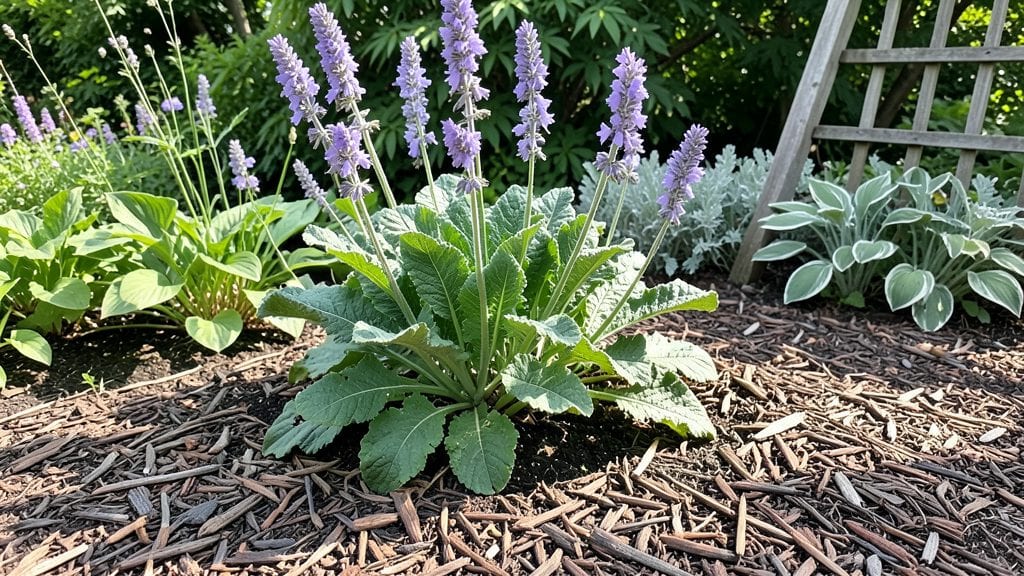
Zone three gardening centers on hardy plants that endure temperatures between -30°F and -40°F (-34°C to -40°C), featuring resilient perennials like coneflowers, lavender, and Russian sage alongside cold-loving vegetables such as kale and peas. Protecting roots with thick mulch and selecting native varieties maximizes survival in brutal winters.
This region's extreme cold forces gardeners to prioritize plants with deep root systems and natural frost resistance. 🌱 The key is matching species to your specific microclimate—some areas might hit -40°F while others stay milder.
I've found that layering 4-6 inches of straw mulch in late fall creates an insulating blanket that preserves soil warmth, while evergreen ground covers like creeping thyme provide year-round protection. Native plants like wild bergamot and butterfly weed often require less watering once established, making them ideal for low-maintenance gardens.
For vegetables, focus on varieties bred for short seasons—bush beans and swiss chard mature quickly before frost, while overwintered kale actually tastes sweeter after cold exposure. The secret to success lies in timing: plant cool-season crops in early spring or late summer to avoid peak heat stress.
I recommend starting seeds indoors 6-8 weeks before your last frost date for a head start on the growing season.
💡 In This Article
- Understanding USDA Zone 3 Climate Challenges
- Top Low-Maintenance Zone 3 Perennials and Vegetables
Understanding USDA Zone 3 climate challenges
Zone 3's brutal winters—where temperatures plunge to -30°F to -40°F (-34°C to -40°C)—force plants to develop survival strategies most gardeners never encounter. Unlike milder zones where plants focus on heat tolerance or drought resistance, Zone 3 species prioritize cold acclimation through antifreeze proteins and deep root systems.
For comparison, Zone 7 (common in the Southeast) rarely drops below 0°F (-18°C), giving plants far more flexibility in growth timing and species selection.
The stark difference means Zone 3 gardeners must treat soil preparation like winterizing a house—insulating roots against freeze-thaw cycles that can heave plants right out of the ground.
The growing season here is compressed into just 90-120 days between last frost dates, demanding plants that mature quickly or persist through winter. Take Russian sage, which thrives in Zone 3: its woody stems store water and nutrients, while silver foliage reflects sunlight to prevent overheating in summer.
Meanwhile, vegetables like kale actually sweeten when exposed to 20-30°F (-6°C to -1°C) temperatures—a biochemical response that converts starches to sugars. This frost tolerance is why Zone 3 gardens often produce sweeter winter greens than warmer climates.
The trade-off? Many tender crops (like tomatoes) simply won't survive unless grown in containers that can be moved to protected areas.
Soil preparation becomes a year-round science in Zone 3. The key is creating a thermal buffer zone around plant roots—this means amending soil with compost and organic matter to improve drainage while retaining moisture, then adding 4-6 inches of straw mulch before winter.
Without this insulation, soil temperatures can fluctuate 50°F (28°C) in a single day during freeze-thaw cycles, shocking plant roots. Native grasses like little bluestem also help by forming natural windbreaks that reduce desiccation from winter winds.
What most gardeners overlook is how microclimates vary even within Zone 3—south-facing slopes may be 5-10°F warmer than north-facing areas, allowing for slightly more tender species in those spots.
Timing is everything in Zone 3 gardening. The last spring frost typically occurs around May 15, but this can vary by two weeks depending on elevation and local topography.
To extend the season, I've had success with row covers that raise soil temperatures by 5-8°F (3-4°C) while protecting against late frosts. For fall planting, aim to get cool-season crops in the ground by July 15—any later and they won't establish roots before winter sets in.
The science here involves understanding vernalization, where some plants (like hardy lettuce varieties) actually require cold exposure to trigger flowering. This adaptation ensures they bloom at optimal times despite the short growing window.
Hardy plants in Zone 3 often employ three key survival mechanisms that warmer-zone plants lack:
- Antifreeze proteins: Found in plants like winter wheat, these proteins prevent ice crystals from forming in cell walls, allowing growth at 14°F (-10°C) or lower.
- Deep taproots: Perennials such as coneflowers develop roots reaching 3-5 feet deep, accessing moisture and nutrients below the frost line.
- Dormancy triggers: Many Zone 3 plants enter a physiological "sleep" when days shorten below 12 hours of light, conserving energy until spring.
One common misconception is that Zone 3 gardening requires constant attention. In reality, the lowest-maintenance approach focuses on perennials with minimal annual care, like catmint (which spreads aggressively but survives -35°F) or crown imperial (a striking ornamental that thrives in poor soil).
The secret lies in planting in clusters to create microclimates—grouping evergreens together reduces winter desiccation, while succession planting ensures continuous harvests. For vegetables, bush varieties (like bush beans) mature faster than their vining cousins, giving them time to produce before frost.
What most Zone 3 gardeners don't realize is how soil microbial activity changes with temperature. While warmer zones may see year-round decomposition, Zone 3 soils become nearly dormant below 40°F (4°C), meaning organic matter breaks down 30-50% slower.
This is why fall composting is critical—adding fresh organic material in autumn gives microbes time to process it before winter shutdown. The result? Soil that warms up faster in spring, giving plants a head start. 💫