Vegetables
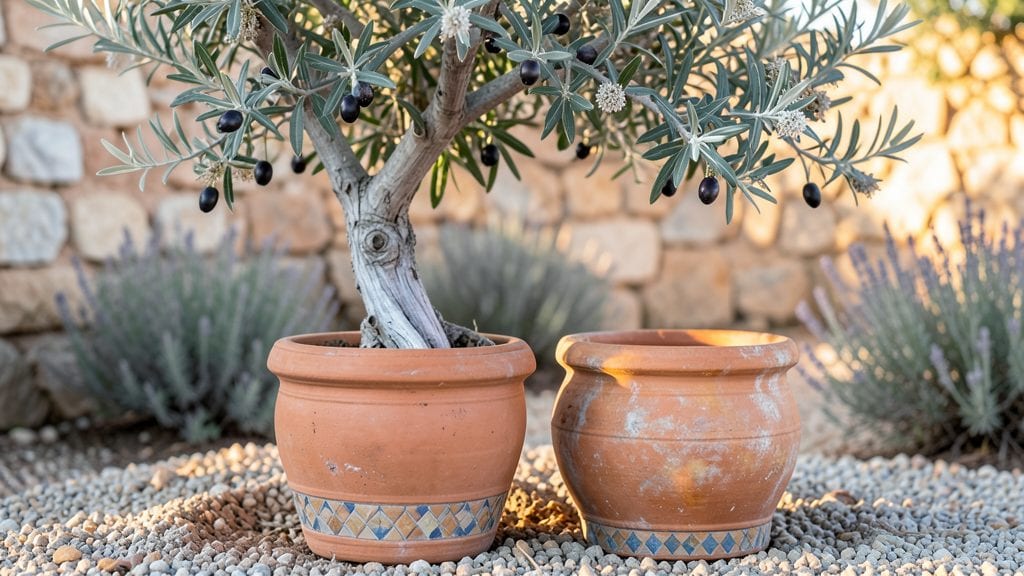
The Gardens of Marrakech create magical escapes by weaving together verdant landscapes with Islamic geometric artistry, showcasing iconic spaces like Majorelle and Menara where cascading fountains, mosaic tiles, and fragrant blooms harmonize with the city's vibrant energy.
The Gardens of Marrakech aren't just green spaces—they're living examples of how architecture and nature merge. 🌿 These lush retreats use clever techniques like underground water channels (qanats) to thrive in the desert climate, while their mirrored pools and symmetrical layouts amplify the sense of calm.
Even the plant selection tells a story: hardy species like bougainvillea and olive trees not only survive but flourish, creating the signature Moroccan aesthetic that feels both ancient and timeless.
What makes these gardens truly special is how they transform the urban experience. The hidden courtyards act as quiet refuges from Marrakech's bustling souks, where every detail—from the intricate tile work to the carefully placed lanterns—serves a dual purpose: enhancing beauty while creating functional shade and light.
This thoughtful design philosophy is what makes these spaces so universally inspiring.
💡 In This Article
- Marrakech Garden Design Principles: Water, Symmetry, and Light
- How to Recreate a Mini Marrakech Garden at Home
Marrakech garden design principles: water, symmetry, and light
The gardens of Marrakech owe their serene beauty to a brilliant fusion of ancient engineering and artistic tradition. At their core, these spaces harness the qanat system—ancient underground water channels that date back to the 8th century.
These channels tap into the Atlas Mountains' aquifers, delivering water to gardens through a network of tunnels and terraces. The result? Lush vegetation thrives in what would otherwise be an arid desert environment, with water pressures creating cascading fountains that become the garden's auditory heartbeat. 💫
Symmetry isn't just decorative—it's a deliberate psychological tool. The gardens employ axial symmetry where pathways converge on central focal points like fountains or pavilions, creating a sense of infinity. This design mirrors Islamic geometric principles where repetition and balance evoke harmony with the divine.
At Majorelle Garden, for instance, the 12-meter-high fountain mirrors its surroundings across the pool, doubling the visual impact while maintaining perfect equilibrium. The use of zellige tiles—hand-cut ceramic mosaics in geometric patterns—further enhances this symmetry, reflecting light in ways that shift with the sun's angle.
Light plays a crucial role in transforming these spaces into tranquil sanctuaries. The gardens maximize natural light through open courtyards while using reflective surfaces—like polished marble pools and mirrored tiles—to amplify illumination. This creates a luminous quality that softens the desert's harsh sunlight.
Strategically placed Moroccan lanterns, often with intricate brasswork, cast dappled shadows that add depth to the experience. The interplay between light and shadow isn't random; it's carefully calibrated to create a cool, inviting microclimate that contrasts with the city's intense heat.
What's particularly fascinating is how these principles address Marrakech's climate challenges. The qanat system maintains consistent moisture levels, while the raised garden beds improve drainage in the sandy soil.
Even the plant selection tells a story: species like bougainvillea (with its drought-resistant roots) and orange trees (which thrive in partial shade) were chosen for their ability to flourish with minimal water.
The result is a garden that feels abundant despite the desert surroundings—a testament to centuries of agricultural ingenuity. ✨
This design philosophy extends beyond aesthetics—it's a complete sensory experience. The sound of water flowing through the qanats creates a white noise effect that masks urban sounds, while the scent of jasmine and orange blossoms triggers relaxation responses.
The combination of these elements creates what psychologists call a "restorative environment"—a space that actively reduces stress by engaging multiple senses simultaneously. What most visitors don't realize is that every element, from the fountain's placement to the tile's reflective quality, serves this dual purpose of beauty and functionality.
The enduring appeal of these gardens lies in their ability to balance human creativity with natural constraints. By understanding these principles—how water channels create life in desert conditions, how symmetry enhances tranquility, and how light transforms spaces—you begin to see why Marrakech's gardens have inspired designers for centuries.
The magic isn't just in the final product, but in the thoughtful process that makes these oases possible in the first place. 🌿