
Planting
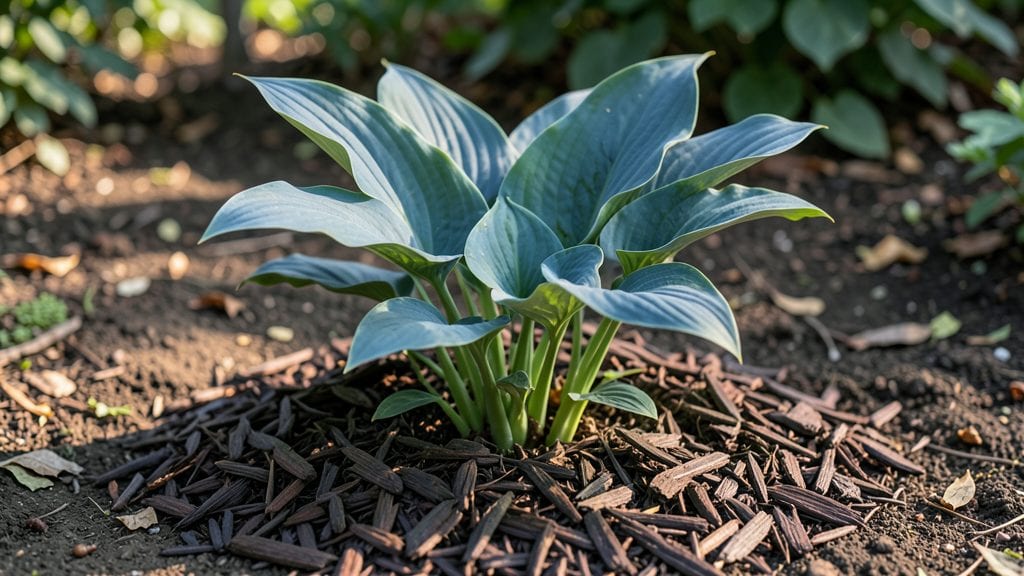
Zone 4 gardening thrives with cold-resistant plants that handle temperatures down to -30°F (-34°C), featuring hardy perennials like coneflowers and Russian sage, along with shrubs such as lilacs and serviceberries, plus cold-tolerant vegetables like kale and spinach for extended harvests.
Zone 4's extreme winters demand plants with specialized survival strategies—think antifreeze proteins in cell walls and deep root systems that anchor against frost heave. 🌱 The key is selecting varieties bred for this climate, like catmint or hollyhocks, which bounce back after snowmelt.
Even vegetables like Swiss chard can survive light frosts, making them ideal for late-season gardens.
Microclimates play a huge role: a south-facing wall can add 5-10°F of warmth, while windbreaks of evergreens shield delicate perennials. I've found that layering 4-6 inches of straw mulch in fall preserves soil warmth and prevents freeze-thaw cycles that damage roots.
The secret? Start with native plants—they've already evolved to handle Zone 4's brutal swings!
💡 In This Article
- Understanding Zone 4 Climate Challenges
- Best Cold-Hardy Plants for Zone 4 Gardens
Understanding Zone 4 climate challenges
Zone 4's extreme cold pushes plants to their biological limits, but survival isn't random—it's science. Plants like winter wheat and Alaska pea produce antifreeze proteins that bind to ice crystals, preventing them from growing larger and piercing cell walls.
These proteins can lower freezing points by 5-10°F, giving roots and stems critical protection during -30°F nights. The process works like natural thermal insulation, where proteins act as microscopic barriers against cellular damage.
Dormancy is another key adaptation, where plants enter a metabolic slowdown triggered by photoperiod changes and temperature drops. For example, hardy perennials like bee balm reduce water content in their cells by 30-40% during winter, creating a concentrated cellular environment that resists ice formation.
This dehydration strategy is similar to how woolly mammoths survived Arctic winters—both rely on water conservation to prevent frostbite at the cellular level. 🌟
The timing of frost dates varies dramatically across Zone 4. In Minnesota, the last spring frost typically occurs around May 15, while in New York's Hudson Valley, gardeners can expect it 2-3 weeks earlier.
These differences create microclimates where early bloomers like crocus thrive in southern Zone 4 areas but struggle in northern reaches. Windbreaks made of evergreen shrubs can add 5-15°F of warmth near plant bases, making the difference between survival and death for marginal hardiness varieties.
Soil insulation is equally critical. Organic mulches like straw or wood chips create air pockets that trap heat, maintaining soil temperatures 10-15°F warmer than exposed ground. This insulation effect explains why asparagus crowns survive Zone 4 winters—their 6-inch-deep root systems stay protected in this thermal blanket.
Without proper mulching, freeze-thaw cycles can heave roots out of the ground, a phenomenon called frost heave that's particularly destructive in clay-heavy soils.
What most gardeners overlook is how snow acts as a natural insulator. A 12-inch snowpack can maintain soil temperatures at 32°F even during -20°F air temperatures. This explains why winter-hardy vegetables like kale continue growing under snow—photosynthesis slows but doesn't stop entirely.
Clearing snow from perennials too early can actually increase cold damage risk by exposing tender growth to rapid temperature swings.
Here's what actually happens at the cellular level: Plant cell membranes contain unsaturated fats that remain fluid at cold temperatures, preventing rigidification that would rupture cell walls. This membrane flexibility is why Russian sage survives winters while tropical hibiscus doesn't—its membranes would crystallize and shatter at -10°F**.
The science shows that cold acclimation (a gradual hardening process) is essential, which is why fall-planted bulbs like tulips need 6-8 weeks of 40-50°F temperatures to develop their cold tolerance.