Fertilization
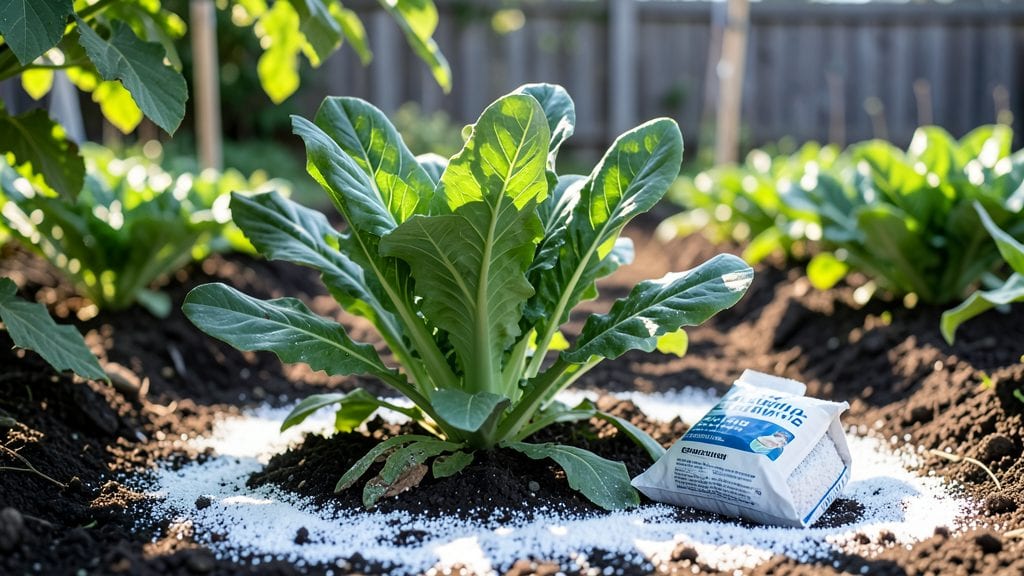
Using calcium carbonate in gardening helps balance acidic soil by increasing pH levels, corrects nutrient imbalances like magnesium shortages, and prevents blossom end rot in tomatoes and peppers. Spread it as a powder or granular form in spring or after soil testing, but avoid overapplying to prevent soil alkalinity.
This natural mineral works by neutralizing excess acidity in the soil, creating a more stable pH environment where plants can absorb essential nutrients more efficiently. 🌱 Unlike synthetic fertilizers, calcium carbonate releases calcium and magnesium gradually, improving soil structure over time.
I’ve seen dramatic improvements in vegetable gardens where blossom end rot was a recurring issue—once the pH was adjusted, the problem disappeared within a single growing season.
For best results, always test your soil first to determine the exact amount needed. A simple at-home kit or professional lab analysis will give you precise measurements, preventing either under- or overapplication.
Remember, while calcium carbonate is generally safe, too much can make your soil too alkaline, which creates its own set of problems for plant health.
💡 In This Article
- How Calcium Carbonate Alters Soil Chemistry
- Best Practices for Applying Calcium Carbonate
How calcium carbonate alters soil chemistry
When you add calcium carbonate to acidic soil, it triggers a chemical reaction called neutralization. The compound (CaCO₃) reacts with hydrogen ions (H⁺) in the soil solution, forming carbonic acid (H₂CO₃) that quickly breaks down into water and carbon dioxide.
This process effectively removes excess acidity, raising the soil's pH level. For example, if your soil tests at pH 5.5 (moderately acidic), applying calcium carbonate can shift it toward the ideal range of 6.0-7.0 for most vegetables.
The magic happens at a molecular level. Calcium carbonate dissociates slowly, releasing calcium (Ca²⁺) and carbonate (CO₃²⁻) ions. The calcium ions immediately replace hydrogen ions on soil particles, while the carbonate ions react with any remaining acidity.
This dual-action creates a buffering effect—your soil becomes more resistant to future pH swings. Unlike quick-release lime, calcium carbonate provides a steady, long-term adjustment that mimics natural mineral weathering processes.
What sets calcium carbonate apart is its ability to supply both calcium and magnesium indirectly. While it doesn't contain magnesium directly, the pH adjustment helps solubilize magnesium already present in the soil, making it more available to plants.
This is why you'll see reduced symptoms of magnesium deficiency (like yellowing between leaf veins) after application. The granular form releases these nutrients over 3-6 months, while powdered versions work faster but require more frequent reapplication.
Comparing it to other amendments reveals key differences. Dolomitic lime (which contains magnesium) works similarly but costs more, while gypsum (calcium sulfate) only adjusts sodium levels without affecting pH. Calcium carbonate's purity makes it ideal for precise pH correction without adding unwanted minerals.
Over time, it also improves soil structure by promoting beneficial microbial activity—something gypsum doesn't do. The white, chalky powder you spread becomes part of the soil's mineral matrix, gradually transforming the environment for better root development.
One often-overlooked benefit is its impact on micronutrient availability. In acidic soils, essential elements like phosphorus and zinc become "locked up" in insoluble forms. By raising pH, calcium carbonate helps convert these nutrients into plant-available forms.
For instance, phosphorus uptake can improve by 20-30% in soils where pH was previously below 6.0. This is why gardeners see healthier plants even when using the same fertilizer amounts after applying calcium carbonate.
However, the effects aren't instantaneous. It typically takes 2-4 weeks for the pH adjustment to become noticeable, and full benefits may require 6-12 months of regular monitoring.
The key is patience—rushing applications can lead to over-liming, where soil pH becomes too alkaline (above 7.5), making other nutrients like iron and manganese less available. Think of calcium carbonate as a long-term investment in soil health rather than a quick fix.