
Tools
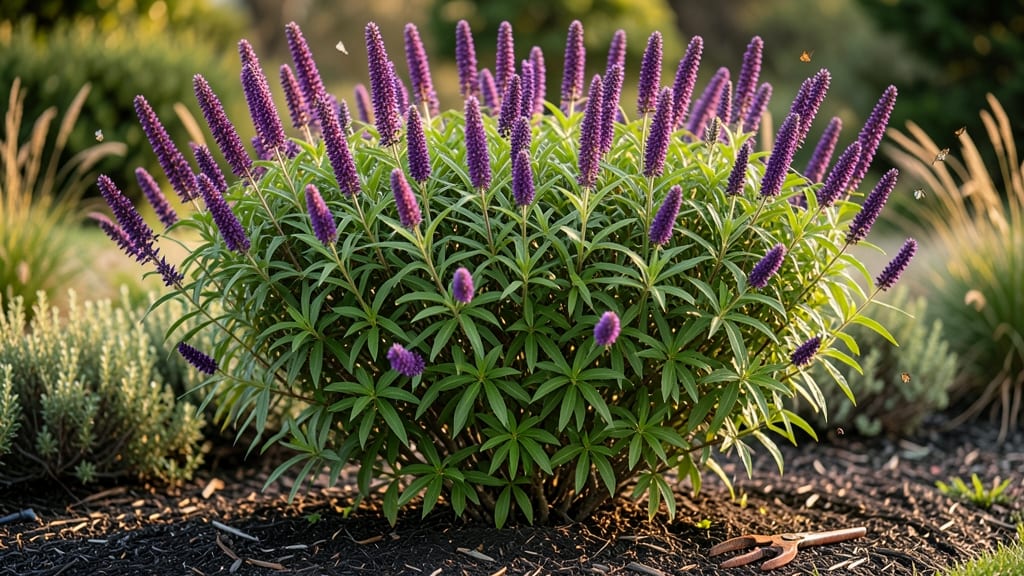
Planting a butterfly bush in your garden transforms it into a buzzing, fluttering paradise that never stops giving. 🌿 I’ve watched mine draw in monarchs, swallowtails, and hummingbirds from spring through fall—all while requiring less fuss than most perennials.
The key isn’t just dropping one in the yard; it’s placing it where it works hardest for both beauty and wildlife.
The best spots are sunny borders, near patios, or at the back of pollinator gardens—anywhere it can stretch its woody stems toward the sky. Pair it with purple coneflowers for a purple-and-white dream team or add salvia for a vertical waterfall effect.
Just avoid planting too close to foundations; those roots spread wider than you’d think.
You’ll love the way it keeps giving: fragrant purple blooms in summer, golden seed heads in fall, and even winter interest if you leave the stems. The less you prune, the more butterflies you’ll see—just a quick cleanup in early spring keeps it tidy without sacrificing its magnetism.
Works in almost any climate zone (5-9) and thrives in poor soil, making it the ultimate low-maintenance star. Here’s how to make the most of yours without the usual garden drama.
📚 In This Guide
- What you need
- Instructions
- Tips and common mistakes
- Wrapping up and next steps
What you need
- ● Butterfly bush plant: 1–3 nursery-grown Buddleia (choose dwarf varieties like 'Lo & Behold®' for smaller spaces or standard types like 'Black Knight' for bold color).
- ● Well-draining soil: Mix 2 parts native soil with 1 part compost or potting mix (butterfly bushes hate soggy roots!).
- ● Organic mulch: 2–3 inches of wood chips or shredded bark to retain moisture and suppress weeds.
- ○ Fertilizer (optional): Slow-release granular fertilizer (10-10-10 ratio) or compost tea for a nutrient boost.
- ● Trowel or small shovel for planting.
- ● Garden gloves to protect your hands.
- ● Watering can or hose with a gentle spray nozzle.
- ● Pruning shears (sterilized!) for minimal shaping (spring is key!).
- ● Measuring tape (to space plants 3–6 feet apart, depending on variety).
- ● Sunlight: A spot with full sun (6+ hours/day)—butterfly bushes are sun-worshippers!
- ● Drainage: Avoid low-lying areas where water pools.
- ● Local regulations: Check if your area restricts Buddleia (some states consider it invasive—opt for sterile hybrids if needed).
How to plant and maintain a thriving butterfly bush garden
Here's the straightforward approach I've used to turn my garden into a buzzing hub for pollinators.
🌱 Step 1: Choose the Perfect Planting Location
Butterfly bushes love sunlight—plant yours in a spot that gets full sun (at least 6-8 hours daily). I always check the afternoon sun exposure first because that's when the heat builds up. The bush will grow 8-12 feet tall and just as wide, so give it plenty of room to spread without crowding other plants.
Well-draining soil is critical—these plants hate soggy roots. If your garden soil is heavy clay, mix in 2-3 inches of compost when planting to improve drainage. I dig a hole twice as wide as the root ball but only as deep as the container it came in. The top of the root ball should sit 1 inch above ground level to prevent water from pooling around the stem.
🌿 Step 2: Plant and Water Thoroughly
Remove the butterfly bush from its container and gently loosen the roots if they're circling. Place it in the hole so the root ball sits level with the surrounding soil. Backfill with native soil, pressing lightly to eliminate air pockets. I always water deeply right after planting to help settle the soil around the roots—this prevents gaps that can dry out.
Give your new plant 1-2 gallons of water immediately, then 1 gallon every 2-3 days until new growth appears. You'll know it's getting enough water when the soil feels moist 2 inches down but not waterlogged. Mulch around the base with 2-3 inches of organic mulch to retain moisture and regulate soil temperature.
☀️ Step 3: Feed and Prune for Year-Round Blooms
Butterfly bushes are heavy feeders—apply a balanced 10-10-10 fertilizer in early spring when new growth starts. I scatter the granules around the drip line (not touching the stem) and water deeply to activate them. Repeat in mid-summer for continuous blooming. These bushes thrive on neglect after that, but the extra feeding makes all the difference for pollinators.
Pruning is where most people get confused. Cut back one-third of the oldest stems to the ground in late winter before new growth starts. This encourages fresh, vigorous growth from the base. I never prune in fall—waiting until spring prevents winter dieback. You'll see fat, healthy buds forming along the new stems by early spring.
💧 Step 4: Water and Maintain Through Seasons
Once established, butterfly bushes are drought-tolerant, but they'll bloom best with 1 inch of water weekly during dry spells. I check the soil by sticking my finger 2 inches down—if it feels dry, that's your watering cue. These plants handle heat well but appreciate afternoon shade in the hottest regions. You'll notice the leaves wilting slightly in extreme heat—that's normal and they bounce back quickly.
Deadhead spent flowers in late summer to encourage a second flush of blooms, but leave some seed heads for winter interest. I also watch for powdery mildew on leaves—this happens when humidity is high. A simple spray of neem oil solution (1 tablespoon per gallon of water) clears it up fast. The more you maintain these bushes, the more pollinators you'll attract year after year.
⏰ Step 5: Prepare for Winter and Next Year
Butterfly bushes are hardy in zones 5-9, but young plants need winter protection. I mound 4-6 inches of mulch around the base after the first hard frost to insulate roots. In colder zones, wrap the crown with burlap if temperatures drop below 10°F. These plants come back strong every spring—you'll see fresh green shoots pushing through the mulch by early March.
Here's the thing—don't cut back in fall. Wait until late winter when you can see the plant's structure clearly. This timing ensures you're pruning the oldest growth, which makes room for next year's blooms. You'll have a pollinator paradise that keeps working for you with almost no effort after the first year.
Tips & tricks for perfect butterfly bush planting and maintenance
A few simple tricks will help you create a thriving pollinator haven with minimal effort.
The Sunlight Secret: In Step 1, those 6-8 hours of daily sun are non-negotiable for butterfly bushes. I've seen them struggle in morning sun only—afternoon sun is crucial because that's when the heat builds up and the flowers really open up for pollinators. If your yard has partial shade, choose the sunnier side even if it means planting near a wall or fence that gets reflected heat.
Root Ball Placement: When planting in Step 2, that 1 inch above ground level is critical for preventing rot. I learned this the hard way after losing a young bush to soggy roots. The root flare (where roots meet the trunk) should be visible above the soil line. If your soil settles after planting, add more soil to maintain this level.
Pruning Precision: The late winter pruning in Step 3 is where most people go wrong. Cut back one-third of the oldest stems—these are the woody stems from last year's growth. I always look for stems that are thicker and have fewer buds compared to the newer growth. This selective pruning keeps the bush compact while encouraging fresh blooms from the base.
Winter Protection: For those 10°F nights in Step 5, the mulch depth matters. I've found that 4-6 inches is perfect—enough to insulate roots but not so deep it smothers the plant. In colder zones, I also wrap the crown with burlap and secure it with twine to create a little insulating cocoon. This extra step prevents frost cracks that can kill young plants.
Pro Tips for Butterfly Bush In Garden
- A few simple tricks will help you create a thriving pollinator haven with minimal effort.
- The Sunlight Secret: In Step 1, those 6-8 hours of daily sun are non-negotiable for butterfly bushes.
- Root Ball Placement: When planting in Step 2, that 1 inch above ground level is critical for preventing rot.
Frequently asked questions
Got questions about growing a thriving butterfly bush? Here are answers to the most common queries—so you can keep your garden buzzing with pollinators all season!
1. When is the best time to plant a butterfly bush?
Plant your butterfly bush in early spring (after the last frost) or early fall (4-6 weeks before the first frost). This gives roots time to establish before extreme temperatures. Avoid planting in summer heat, as stress can hinder growth. For container gardening, plant anytime the soil isn’t frozen!
2. How much pruning does a butterfly bush really need?
Minimal! Prune once a year in late winter or early spring to remove dead or weak stems and shape the plant. If your bush gets leggy, a light trim after flowering (summer) can encourage bushier growth. Never prune in fall—it removes next year’s blooms!
3. Are butterfly bushes invasive, and will they spread?
Some butterfly bush varieties (like Buddleia davidii) can be invasive in warm climates. Check local regulations—native alternatives (e.g., Buddleia alternifolia) are non-invasive and just as pollinator-friendly. If planting aggressive types, prune seed heads to limit spread and contain roots with barriers if needed.
4. Why aren’t my butterfly bushes flowering this year?
Lack of blooms often stems from over-pruning (cutting back too late in spring) or poor sunlight (they need full sun for 6+ hours/day). Fertilize lightly in spring with low-phosphorus food to encourage flowers. If the plant is young, give it 1-2 more seasons to mature—patience pays off!
5. Can I grow a butterfly bush in a pot, and what’s the best soil mix?
Use a well-draining potting mix with perlite or sand to prevent root rot. Choose a large container (15+ gallons) with drainage holes. Place in full sun and water when the top inch of soil is dry. Fertilize monthly in spring/summer with a balanced formula (10-10-10) for container plants.
Wrapping up and next steps
Adding a butterfly bush to your garden is a simple yet rewarding way to create a vibrant, pollinator-friendly space that thrives with minimal effort. 🌸 With its low-maintenance care, stunning blooms, and year-round appeal, it’s the perfect choice for both beginners and seasoned gardeners.
Ready to transform your outdoor space? Start by selecting the right variety for your climate, then plant and prune with confidence—your garden (and local pollinators!) will thank you.