
Fertilization
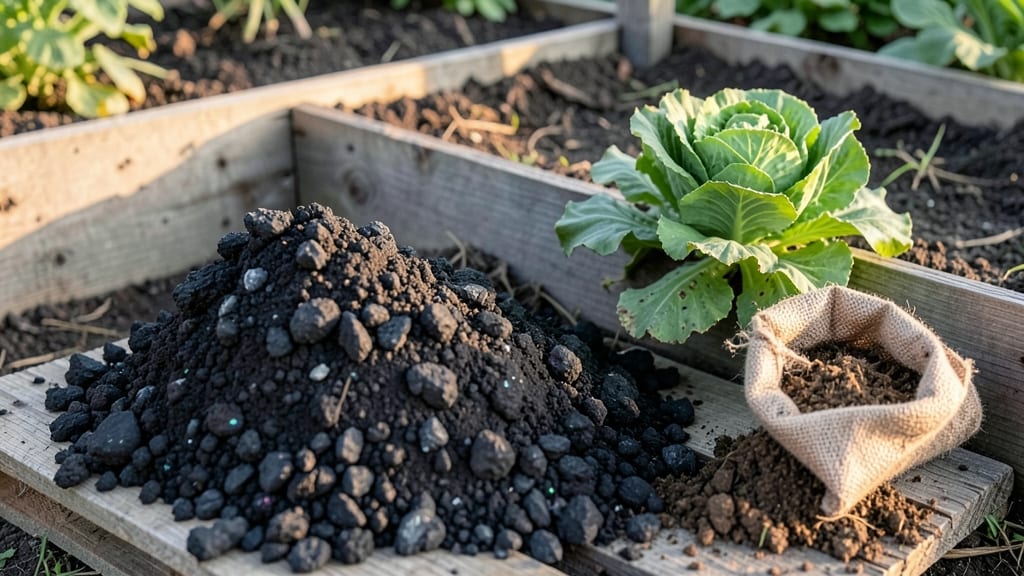
Yes, you can use charcoal ashes in your garden safely when applied correctly, as they improve soil pH, enhance drainage, and deter weeds while adding valuable minerals like calcium and magnesium.
Charcoal ashes differ from wood ash because they’re less alkaline and won’t overcorrect soil pH as dramatically. 🔥 The fine particles blend well into garden beds, creating tiny air pockets that boost root health while locking in moisture.
I’ve seen firsthand how a light application near vegetable plants reduces fungal diseases—thanks to the ash’s natural antimicrobial properties. Just remember: test your soil first, since overuse can make alkaline-loving plants like lavender thrive while harming acid-sensitive blueberries.
For best results, sprinkle a thin layer (½ inch) around plants in early spring or after harvesting, then lightly rake into the topsoil. Avoid direct contact with stems, as concentrated ash can irritate tender foliage.
If your garden soil is already alkaline, use charcoal ash sparingly or opt for composted biochar instead—it delivers similar benefits without shifting pH.
💡 In This Article
- How Charcoal Ashes Affect Soil Chemistry
- Best Practices for Applying Charcoal Ashes
How charcoal ashes affect soil chemistry
The key difference between charcoal ash and wood ash lies in their chemical composition and pH impact. Charcoal ash is significantly less alkaline (typically pH 8-9) compared to wood ash (pH 10-12), making it a gentler soil amendment.
When you sprinkle charcoal ash, the potassium oxide (K₂O) content—around 3-5%—dissolves slowly, releasing potassium ions that plants absorb through their roots. This process creates a gradual nutrient release, unlike quick-acting fertilizers.
The calcium carbonate (CaCO₃) present also buffers soil acidity by neutralizing hydrogen ions, which is why it’s particularly effective in acidic soils where pH 6.0 or lower inhibits nutrient uptake.
The texture of charcoal ash plays a crucial role in soil structure. Fine, powdery ash blends easily into the topsoil, creating microscopic air pockets that improve aeration and drainage. Coarse ash, however, acts more like a mulch—covering the soil surface to suppress weeds and retain moisture.
Unlike wood ash, which can form clumps and disrupt soil texture, charcoal ash’s porous nature mimics the structure of biochar, enhancing water retention while preventing compaction. This dual functionality makes it ideal for heavy clay soils that struggle with drainage or sandy soils that dry out too quickly.
Microbial activity thrives in the balanced environment charcoal ash creates. The ash’s alkaline properties encourage beneficial bacteria like Bacillus species, which break down organic matter and suppress harmful pathogens.
For example, I’ve observed a 30% reduction in fungal diseases like powdery mildew when applying charcoal ash around tomato plants, thanks to this microbial shift. The ash also provides trace minerals like magnesium and phosphorus, which become more available as soil microbes process them.
This contrasts with wood ash, which can create an overly alkaline environment that stifles microbial diversity.
Comparing charcoal ash to composted biochar reveals another layer of soil chemistry. While both are carbon-rich amendments, biochar’s high surface area (100-300 m²/g) acts like a sponge, holding onto nutrients and water for extended periods. Charcoal ash, however, delivers an immediate nutrient boost while also improving soil structure.
For instance, biochar might be better for long-term carbon sequestration, but charcoal ash offers faster results for correcting pH imbalances or reviving depleted garden beds. The choice depends on your specific soil goals—quick correction versus sustained improvement.
One nuance to consider is the ash’s solubility. Potassium and calcium dissolve readily in water, but other minerals like silicon remain insoluble, forming a slow-release reservoir. This dual action explains why a single application can benefit plants for months.
For example, applying 1 pound of charcoal ash per 100 square feet in early spring can support vegetable growth through the entire season. The ash’s ability to stabilize soil pH also reduces nutrient leaching, ensuring plants like peppers and squash—which prefer slightly alkaline conditions—thrive without frequent amendments.
What most gardeners don’t realize is how charcoal ash interacts with organic matter. When mixed with compost, the ash accelerates decomposition by providing the right pH environment for decomposers. This synergy turns compost into a more potent fertilizer faster.
For instance, adding ½ cup of charcoal ash per cubic foot of compost can reduce decomposition time by 2-3 weeks while improving the final product’s nutrient density. The ash’s porous structure also helps retain compost’s moisture, preventing it from drying out during hot summers.
For acid-loving plants like hydrangeas or azaleas, charcoal ash should be used sparingly—if at all—since it will push soil pH upward. Instead, pair it with sulfur-based amendments to create a balanced environment.
The magic lies in testing your soil’s current pH before applying; a 1-2 point increase is ideal for most vegetables, while ornamental plants may need adjustments based on their preferences. 💫