
Fertilization
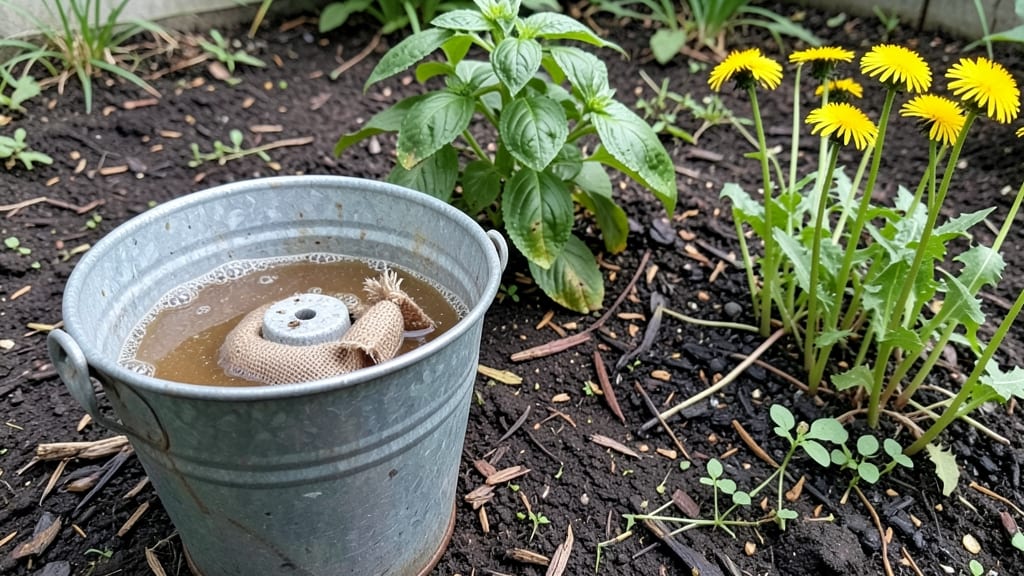
Compost tea for garden boosts plant health by providing concentrated nutrients and beneficial microbes in a liquid form, made by steeping compost in water for 24-48 hours before diluting for use. It’s ideal for foliar feeding or soil drenching to enhance growth and disease resistance.
This nutrient-rich liquid fertilizer works by extracting beneficial microbes and organic compounds from compost, creating a potent solution that plants absorb quickly. 🌱 The brewing process—whether through aeration or simple steeping—determines whether you get aerobic (oxygen-rich) tea packed with helpful bacteria or anaerobic (low-oxygen) tea that may contain harmful pathogens.
For best results, I recommend brewing small batches and applying it in the early morning or evening when temperatures are cooler and evaporation is minimal.
What sets compost tea apart is its dual action: it feeds plants directly while also strengthening their natural defenses against pests and diseases. Many gardeners swear by it for reviving struggling plants or preparing soil before planting.
Just remember to dilute it properly—undiluted tea can burn plant roots or leaves, so always follow a 1:1 ratio of tea to water for most applications.
💡 In This Article
- How Compost Tea Enhances Soil and Plant Health
- Step-by-Step Guide to Brewing and Applying Garden Compost Tea
How compost tea enhances soil and plant health
The magic of compost tea lies in its microbial ecosystem. When compost is steeped in water, beneficial bacteria and fungi—like Pseudomonas and Trichoderma—become active, breaking down organic matter into plant-available nutrients.
Aerobic brewing (with oxygen) encourages these helpful microbes to multiply exponentially, while anaerobic brewing (without oxygen) can produce harmful compounds like ammonia. Studies show aerobic tea contains up to 100 million colony-forming units (CFUs) per milliliter, creating a microbial powerhouse that outcompetes plant pathogens.
This microbial activity triggers nutrient release through enzymatic breakdown. Nitrogen converts to ammonium (NH₄⁺), phosphorus becomes soluble phosphate (PO₄³⁻), and potassium (K⁺) dissolves from organic matter. The tea’s low carbon-to-nitrogen ratio (typically 15:1) ensures rapid microbial activity without depleting oxygen.
For example, a properly brewed batch can release 50-100 ppm nitrogen—comparable to a light chemical fertilizer—while adding beneficial microbes that improve soil structure and suppress diseases like powdery mildew.
The real advantage comes from these microbes colonizing plant roots and leaves. Beneficial bacteria like Bacillus subtilis produce antibiotics that inhibit harmful pathogens, while mycorrhizal fungi extend root networks, increasing water and nutrient uptake by up to 80%.
Research from the University of California shows compost tea applications can reduce fungal diseases by 30-50% while boosting plant growth by 20-40% in stressed soils. The tea’s sticky microbial biofilm also helps plants better absorb foliar-applied nutrients.
Temperature plays a crucial role in microbial activity. Ideal brewing occurs between 65-85°F, where microbial growth is optimal. Too cold slows activity, while temperatures above 90°F can kill beneficial microbes.
The tea’s pH should stay between 6.5-7.5—acidic conditions (below 6) inhibit beneficial microbes, while alkaline conditions (above 8) can cause nutrient precipitation. This balance ensures the microbes remain active and effective once applied to plants.
What most gardeners don’t realize is that compost tea works best when applied as a preventative rather than a cure. The microbes need time to establish themselves in the soil or on plant surfaces.
For example, applying tea before transplanting helps roots establish faster, while regular foliar sprays create a protective microbial layer. The key is consistency—weekly applications during growing seasons maintain microbial populations and keep plants resilient against environmental stresses.
For maximum benefits, pair compost tea with other organic practices. Adding a 1 tablespoon of unsulfured molasses per gallon of tea provides food for microbes, boosting their activity. Avoid using tea on stressed plants (like those already wilting) as the microbes need living tissue to colonize.
Instead, focus on healthy plants or soil preparation before planting for the best results.