Diseases
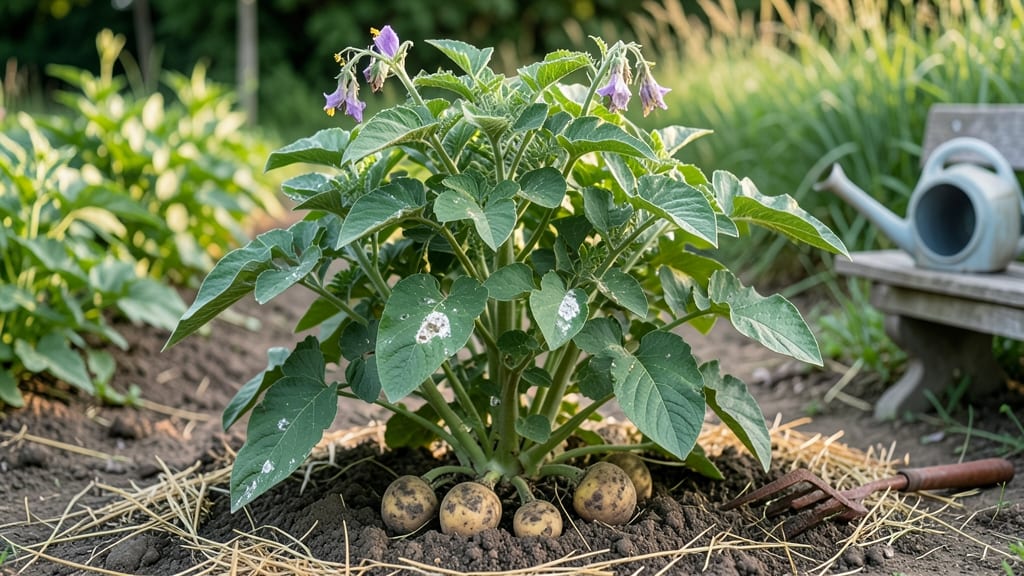
Getting scabies from gardening is possible but unlikely—only if contaminated soil or plants contain live mites from infected humans or animals. The real risk comes from skin-to-skin contact, not gardening itself, so washing hands thoroughly and wearing gloves reduces exposure.
Scabies mites can't survive long outside human or animal skin, meaning they rarely linger in soil or on plants. 🔥 However, if an infected person or animal has recently been in your garden, mites could temporarily be present on tools, mulch, or plants.
The key is understanding that direct contact with infested skin—not gardening alone—is how scabies spreads. I always recommend wearing long sleeves and gloves when working with compost or unknown soil, just as a precaution.
Even if mites are present in the garden, they can't burrow through intact skin. That's why proper hygiene after gardening—like washing hands with soap and water—is your best defense.
If you notice persistent itching or a rash after gardening, it's worth checking with a doctor to rule out scabies or other skin conditions.
💡 In This Article
- How Scabies Mites Survive in Gardening Environments
- Preventing Scabies While Gardening: Safety Gear and Hygiene
How scabies mites survive in gardening environments
Scabies mites, scientifically known as Sarcoptes scabiei, are obligate parasites, meaning they can only survive and reproduce on human or animal skin. These microscopic creatures thrive in the warm, moist environment of skin layers, where they burrow and lay eggs.
Outside of this ideal habitat, their lifespan drops dramatically—typically surviving only 24-72 hours in dry conditions like soil or plant debris. The key factor is their inability to feed without direct skin contact, which starves them quickly in external environments. 🔥
In gardening scenarios, mites might temporarily cling to tools, mulch, or plant surfaces if an infected person or animal recently touched them. However, their survival hinges on three critical conditions: moisture, temperature, and immediate access to skin.
Studies show that mites die within 1-3 hours when exposed to sunlight or temperatures above 131°F (55°C), making outdoor soil an unlikely host. Even in shaded compost piles, the acidic environment and lack of organic nutrients prevent mite colonization.
What most people don't realize is that scabies transmission requires prolonged skin contact—at least 15-30 minutes of direct exposure. A brief gardening session where you wear gloves and wash hands afterward poses minimal risk, as mites can't penetrate intact skin.
The misconception about gardening tools stems from their ability to carry dead mites or eggs, but these become non-viable within hours. 💫
Animal hosts, particularly stray dogs or foxes, pose a higher indirect risk because their scabies strain (Sarcoptes scabiei var. canis) can infect humans. If an infested animal frequents your garden, mites might temporarily reside on plants or soil—but they won't establish colonies.
The real danger comes from petting infected animals or touching contaminated bedding, where mites can survive slightly longer (3-5 days) in humid conditions.
Here's what actually happens in most gardening scenarios: Even if mites are present, they lack the ability to burrow through gloves or intact skin. The 0.3-0.4mm size of adult mites makes them too large to penetrate healthy skin barriers.
Their survival outside hosts depends entirely on immediate access to a new host within hours—not days or weeks. This biological limitation explains why scabies outbreaks aren't linked to gardening activities in epidemiological studies. ✨
The exception lies in high-risk composting of human or animal waste, where mites might temporarily survive in warm, moist conditions. However, proper composting practices (maintaining temperatures above 140°F (60°C) for 15+ minutes) kill all parasites.
For gardeners, this means focusing prevention on hand hygiene and protective gear rather than soil treatment.