
Vegetables
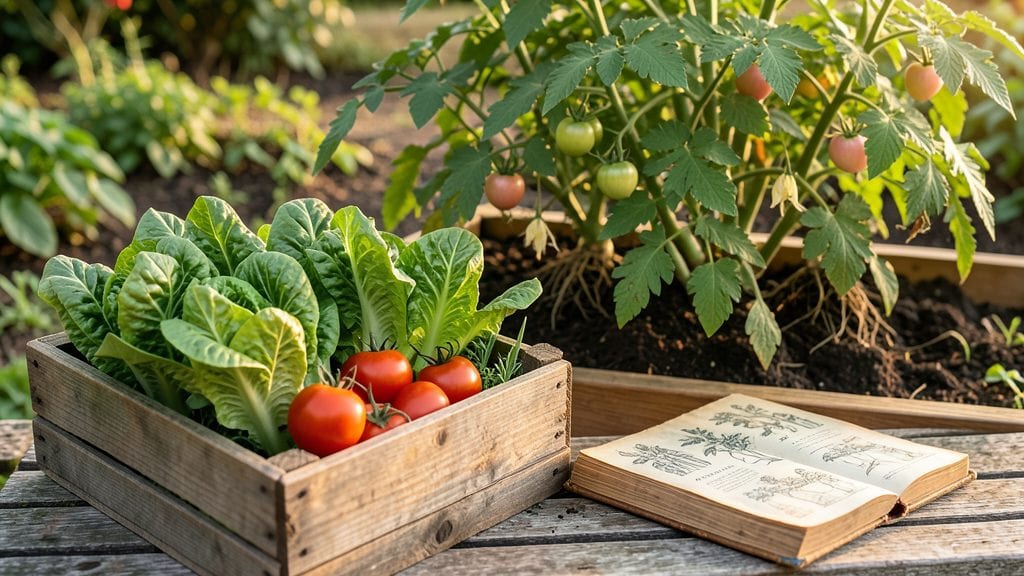
WWII victory gardens history shows how homegrown food production exploded during the war, with over 20 million gardens supplying 40% of U.S. produce while conserving critical resources. These gardens became powerful symbols of patriotism and community cooperation during rationing and supply shortages.
These gardens weren't just about growing food—they were a grassroots movement that transformed backyards into battlefields of a different kind. 🌱 The U.S. government launched the program in 1942, encouraging families to plant vegetables like tomatoes, carrots, and potatoes to free up commercial crops for troops overseas.
What's fascinating is how quickly this idea took hold: within months, millions of Americans were digging up lawns to plant vegetables, with first ladies like Eleanor Roosevelt leading by example in the White House garden.
Beyond food production, victory gardens fostered community spirit. Neighbors shared seeds, swapped gardening tips, and even organized collective planting days. This shared effort created social bonds that lasted long after the war ended, laying the foundation for today's community garden movements.
The success of these gardens proved that ordinary citizens could make extraordinary contributions when united by a common cause.
💡 In This Article
- Origins and Evolution of WWII Victory Gardens
- Legacy of Victory Gardens in Modern Home Gardening
Origins and evolution of WWII victory gardens
The concept of victory gardens traces back to colonial America, where self-sufficiency was a necessity rather than a choice. Early settlers grew vegetables to supplement their diets, but it wasn't until World War I that the U.S. government formally promoted home gardening.
In 1917, the National War Garden Commission encouraged families to plant "war gardens" to conserve food for soldiers. These gardens produced 12% of U.S. produce during WWI—a modest but significant start that set the stage for WWII's far greater mobilization.
By 1942, the Office of Civilian Defense launched a full-scale campaign to transform American backyards into food production hubs. The government distributed 10 million seed packets and published gardening guides like "How to Grow Your Own Food," featuring detailed instructions for growing 40+ vegetables in small spaces.
Propaganda posters depicted rosy-cheeked women holding baskets of fresh produce, framing gardening as a patriotic duty. The message was clear: "Food will win the war," and every planted seed was a vote for victory.
First Lady Eleanor Roosevelt became the movement's most visible advocate, planting a 3,000-square-foot garden at the White House that produced $100 worth of vegetables in its first year. Her leadership demonstrated that even urban families could contribute.
Meanwhile, schools participated with "school gardens," teaching children about agriculture while reinforcing wartime values. The campaign's success hinged on practicality—using every available space, from window boxes to vacant lots, to maximize yield.
Rationing created urgency. Households received limited meat, butter, and sugar coupons, making vegetables essential. Families planted tomatoes, potatoes, and cabbage—high-yield crops that thrived in small plots—while urban dwellers grew herbs and greens in containers.
The average victory garden measured 1,000 square feet, producing enough food to feed a family of four for a year. This intensive cultivation required innovative techniques, like double-digging soil and interplanting fast- and slow-growing crops to optimize space.
The movement's impact was immediate and measurable. By 1943, victory gardens covered 18 million plots, supplying 40% of U.S. produce and freeing up 12 million tons of canned goods for military use. The program also reduced transportation demands by 20%**, conserving fuel and manpower.
Beyond food, these gardens fostered community—neighbors shared tools, swapped seeds, and celebrated harvests together, creating bonds that endured long after the war.
What's often overlooked is how victory gardens reflected broader social changes. Women, who made up 70% of gardeners, gained newfound confidence and independence. The movement proved that ordinary citizens could drive national change, a lesson that resonated far beyond the war years.
Today, these gardens are remembered not just for their practical contributions, but for their role in shaping modern food culture and community resilience. 🌟