
Vegetables
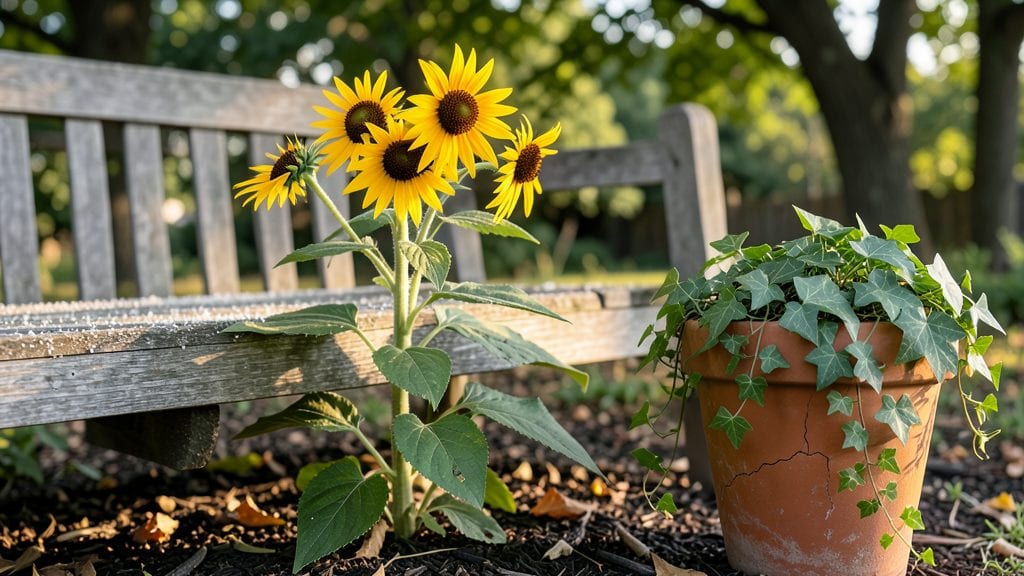
For backyard garden lovers, starting with tomatoes, lettuce, and green beans is ideal—they grow quickly in most climates, demand little maintenance, and deliver fast harvests that keep motivation high.
These beginner-friendly plants were chosen for their resilience and adaptability, making them perfect for those new to gardening. 🌱 Tomatoes, for example, thrive in containers or in-ground plots with just basic soil and sunlight, while lettuce grows rapidly in cooler weather, giving you edible greens in as little as 30 days.
Green beans are another crowd-pleaser—they fix nitrogen in the soil, reducing the need for fertilizers while producing abundant harvests with minimal effort.
What sets these veggies apart is their ability to forgive mistakes—whether it's inconsistent watering or less-than-perfect soil. This low-pressure approach helps build confidence, so you can experiment with more advanced plants later without fear of failure.
Plus, their quick growth cycles mean you'll see tangible results fast, which is the best motivation for any new gardener.
💡 In This Article
- Why These Veggies Are Perfect for Novice Gardeners
- Planting and Care Tips for Backyard Garden Success
Why these veggies are perfect for novice gardeners
The secret to these plants' beginner-friendly status lies in their rapid growth cycles. Take lettuce, for instance—it matures in just 30-50 days from seed, giving you crisp greens without waiting months. This quick turnaround creates immediate gratification that keeps new gardeners engaged.
Meanwhile, green beans reach harvest in 50-60 days, producing pods continuously for 2-3 weeks once established. The science behind this speed is their shallow root systems, which allow them to absorb nutrients efficiently even in average soil.
Disease resistance is another game-changer for backyard garden lovers. Tomatoes, for example, have developed hybrid varieties like 'Celebrity' that resist common ailments such as early blight and fusarium wilt. These varieties contain natural compounds that deter pests and fungal growth, reducing the need for chemical interventions.
Lettuce's loose leaf varieties grow so quickly that many pests never get a chance to establish themselves before you harvest. This built-in resilience means you won't feel overwhelmed by constant pest management—just consistent harvests. 💛
The adaptability of these plants to varying sunlight conditions makes them ideal for different backyard spaces. Tomatoes thrive in 6-8 hours of full sun but can tolerate partial shade, especially in hot climates.
Green beans actually prefer cooler temperatures and can grow well with 5-6 hours of sunlight, making them perfect for northern gardens or shaded patios.
Lettuce, meanwhile, grows best in partial shade during summer months to prevent bolting (going to seed prematurely), showing how these plants can adjust to your space rather than the other way around.
What most new gardeners don't realize is how these plants reduce common frustrations through their growth habits. The vertical growth of pole beans, for example, saves space while producing more yield than bush varieties.
Tomatoes' indeterminate growth means they continue producing fruit all season long, while determinate varieties give you a single large harvest. This predictable production schedule helps manage expectations and prevents the disappointment that often comes with inconsistent yields from more finicky plants.
Let's talk about maintenance—these plants were designed with busy lifestyles in mind. Lettuce's shallow roots mean it requires less water than deep-rooted vegetables, while green beans' nitrogen-fixing ability reduces fertilizer needs. Tomatoes, when properly pruned, need only 1 inch of water per week once established.
This low-maintenance nature means you can enjoy gardening without feeling like you're constantly tending to your plants. The key is understanding each plant's specific needs while appreciating their overall forgiving nature.
Consider this: a single tomato plant can produce 10-20 pounds of fruit in a season, while a 10-square-foot lettuce patch yields enough for 4-6 salads per week. These generous harvests make the time investment worthwhile and provide tangible rewards that build confidence.
The sensory experience alone—snapping fresh green beans straight from the vine or picking ripe tomatoes that burst with flavor—makes the gardening process feel rewarding at every stage. 🌱