
Landscaping
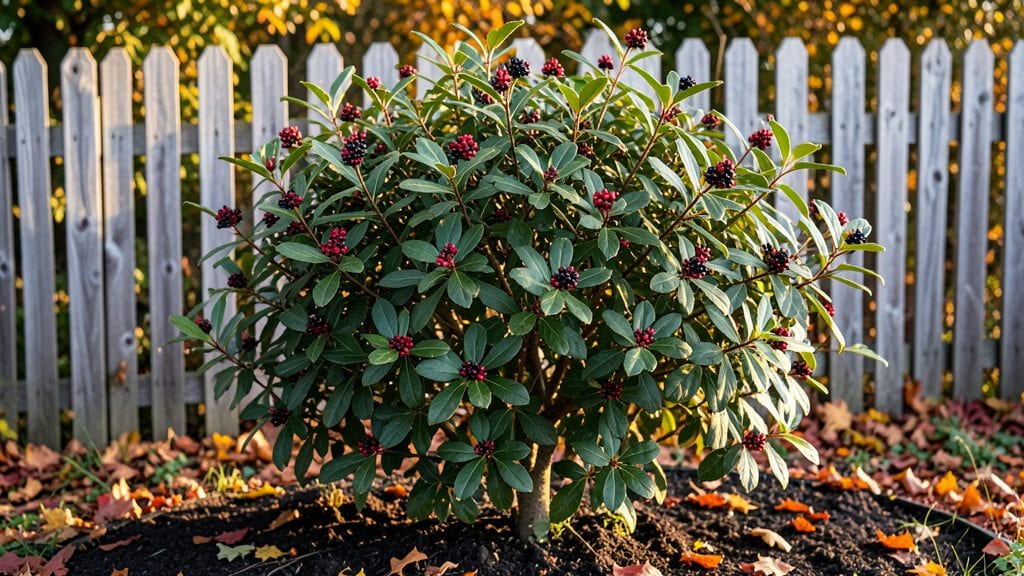
Gardening in New England means embracing plants that laugh at frost and keep coming back year after year. 🌱 I’ve learned the hard way that choosing the right cold-hardy varieties—like Russian sage, coneflowers, or Siberian peppers—makes all the difference when winter rolls in.
These plants don’t just survive; they thrive, turning rocky soil into lush displays that outlast the snow.
The key is working with the climate, not against it. Start with raised beds for cold springs, mulch heavily to protect roots, and plant perennials that naturalize over time.
Even in Zone 3, you can grow vegetables like kale, Swiss chard, and potatoes if you time it right—think early spring and late summer crops. Deer-resistant plants like lavender and catmint are lifesavers when wildlife gets hungry.
By late summer, you’ll be harvesting frost-tolerant greens and admiring perennials that bloom again next year. The payoff? A garden that feels like home, even when the rest of the region is buried in snow.
Let’s get those hardy plants in the ground and make next winter’s view a little greener.
Whether you’re in Maine’s chilly coastal zones or Connecticut’s slightly milder hills, the same principles apply. Start with native species, extend the season with row covers, and don’t underestimate the power of good soil prep. Your garden will thank you—and so will your neighbors when they see what you’ve grown.
📚 In This Guide
- What you need
- Instructions
- Tips and common mistakes
- Wrapping up and next steps
What you need
- ● Soil: 2–3 cubic yards of well-draining, compost-amended soil (New England’s clay-heavy soil often needs organic matter).
- ○ Optional: Peat moss or coconut coir (1–2 bags) for acid-loving plants like blueberries or rhododendrons.
- ● Mulch: 4–6 bags of wood chips or straw mulch (to insulate roots during harsh winters).
- ● Fertilizer: Balanced 10-10-10 fertilizer (5–10 lbs) for general use.
- ● Slow-release organic fertilizer (e.g., composted manure or worm castings) for perennials.
- ● Tools: Trowel, pruners, and heavy-duty gloves (New England’s rocky soil is tough!).
- ● Garden fork (for aerating compacted soil).
- ● Wheelbarrow (to haul soil, mulch, or rocks).
- ○ Optional: Soil pH tester (to check acidity/alkalinity for picky plants).
- ● Frost protection: Burlap sacks or frost cloth (for tender plants in late spring/early fall).
- ● Windbreaks: Tall shrubs (e.g., arborvitae) or lattice fencing to shield gardens from brutal winds.
- ● Drainage solutions: Gravel or perforated pipes if your yard has poor drainage (common in low-lying areas).
- ● Local plant knowledge: Check blank">MA Ag Services or blank">CT Ag Extension for region-specific hardy varieties.
How to select and plant hardy New England perennials
New England’s cold winters don’t mean your garden has to sleep—these resilient plants bring color and life year after year.
🌱 Step 1: Choose Plants That Survive Local Conditions
Focus on perennials with proven cold hardiness—look for varieties labeled USDA Zone 3-5 or higher. My go-to picks include coneflowers, black-eyed Susans, and Russian sage, which handle snow and still bloom in spring. Avoid tropical plants like hibiscus or bougainvillea unless you’re growing them in containers you can move indoors.
Check the maturity date on seed packets or plant tags—New England’s short growing season means you need fast starters. For example, coreopsis and shasta daisies mature in 60-70 days, giving them time to establish before frost. I always cross-reference with my local nursery’s recommendations—they know which cultivars handle our Zone 5 winters best.
🪴 Step 2: Prepare the Soil for Cold-Resistant Growth
New England soil often drains poorly after heavy rains, so amend with 2-3 inches of compost to improve texture and fertility. I mix in a 5-10-10 fertilizer at planting time to give roots a nutrient boost before winter sets in. For clay-heavy soils, add sand or perlite to prevent waterlogging, which can rot tender roots even in hardy plants.
Test your soil’s pH—most perennials prefer 6.0-7.0. If your soil is too acidic, sprinkle lime lightly and work it into the top 6 inches of soil. Avoid over-amending; New England’s cool climate means nutrients break down slower, so a little goes a long way. I dig a 12-inch deep hole for each plant to encourage deep root growth, which helps them withstand frost.
☀️ Step 3: Plant at the Right Time for Winter Survival
In New England, late summer to early fall is ideal for planting perennials—this gives roots time to establish before winter. Aim for 4-6 weeks before your first hard frost (usually mid-October). I plant coneflowers and sedum in late August, while peony and iris get a head start in September.
Space plants according to their mature size—crowding stresses roots and makes them vulnerable to winter dieback. For example, black-eyed Susans need 18-24 inches apart, while Russian sage thrives with 2-3 feet of space. Water deeply after planting to settle the soil and remove air pockets, then mulch with 2-3 inches of shredded leaves or straw to insulate roots.
✂️ Step 4: Prune and Protect for Winter Hardiness
In late fall, cut back dead foliage but leave 3-4 inches of stems on perennials like coneflowers and sedum. This protects the crown from temperature swings and gives beneficial insects a place to overwinter. For woody stems like butterfly bush, prune in early spring instead—cutting back now can expose tender growth to frost damage.
Mulch again in late November after the ground freezes to prevent heaving (when roots expand and contract with freeze-thaw cycles). Use straw or evergreen boughs for extra insulation—these materials break down slowly and won’t smother plants in spring. I avoid thick layers of leaves, as they can mat and trap too much moisture, leading to rot.
💧 Step 5: Water Strategically Through the Growing Season
New England’s unpredictable weather means deep, infrequent watering is key—1 inch per week during the growing season, more in drought. I water in the early morning to reduce evaporation and fungal risks. In late summer, taper off watering to harden off plants before winter, but keep soil slightly moist to prevent stress.
Monitor for pests like slugs and Japanese beetles, which thrive in our humid summers. Handpick beetles in the evening when they’re sluggish, and set up beer traps for slugs. Healthy, well-established perennials bounce back better from pests, so focus on soil health and proper spacing—these are your best defenses against New England’s garden challenges.
Tips & tricks for hardy New England perennials
Here's what I've learned after years of gardening through New England's harsh winters—these tricks make all the difference for long-lasting perennials.
Plant Selection Insight: When choosing perennials in Step 1, look for those labeled "Zone 5" or higher—they'll handle our winters with ease. I've found that coneflowers and Russian sage are my top performers because they not only survive but thrive after snowfall. For containers, opt for frost-tolerant varieties like heuchera or lamium that can be moved indoors during extreme cold snaps.
Soil Preparation Strategy: In Step 2, don't skimp on the compost—those 2-3 inches create the perfect environment for winter resilience. I always add a handful of worm castings to the mix for extra nutrients, and for clay soils, blend in coarse sand to improve drainage. The 12-inch deep holes might seem excessive, but they give roots room to grow deep, which is crucial when winter freezes the surface soil.
Timing and Spacing Secret: Step 3's 4-6 week window before frost is critical—this gives roots time to establish before winter sets in. I mark my calendar for early September planting, and always space black-eyed Susans 24 inches apart to prevent crowding. Pro tip: Use a string line and stakes to create perfect rows before planting—it saves time and ensures even spacing.
Winter Protection Technique: When you're cutting back foliage in Step 4, leave those 3-4 inches of stems—this protects the crown from temperature fluctuations. I've learned the hard way that removing all stems can expose the crown to frost damage. For extra protection, I mound soil around the base of plants like peony and iris to create natural insulation against winter winds.
Pro Tips for Gardening New England
- Here's what I've learned after years of gardening through New England's harsh winters—these tricks make all the difference for long-lasting perennials.
- Plant Selection Insight: When choosing perennials in Step 1, look for those labeled "Zone 5" or higher—they'll handle our winters with ease.
- Soil Preparation Strategy: In Step 2, don't skimp on the compost—those 2-3 inches create the perfect environment for winter resilience.
Frequently asked questions
Got questions about gardening in New England’s unpredictable climate?
Here are answers to common concerns—from frost dates to frost-resistant picks—so you can grow with confidence!
When is the best time to start planting in New England?
Timing depends on your plants! For cool-season crops (like kale or spinach), start seeds indoors in March and transplant after the last frost (typically mid-May). Warm-season crops (tomatoes, peppers) need to wait until soil temps hit 50°F+—usually late May or June. Check your local frost dates for precision!
What are the hardiest plants for New England winters?
New England’s USDA Zones 3-6 favor resilient perennials like heuchera (coral bells), Russian sage, and coneflowers. For edibles, try kale, Swiss chard, and winter garlic—they’ll survive light frosts! Evergreens (like pine, spruce, or boxwood) add year-round structure. Pro tip: Mulch heavily (3-4 inches) to protect roots!
How do I protect my garden from late spring/fall frosts?
Use row covers, cloches, or cold frames to shield tender plants. For late frosts (common in May), opt for early-maturing varieties or plant heat-loving crops (like basil) after Memorial Day. Drip irrigation at night can raise soil temps slightly. Monitor forecasts via The Weather Channel or local ag extensions.
Can I garden successfully in New England without a greenhouse?
Focus on season extension: Use cold frames, hoop houses, or unheated greenhouses for early starts. Container gardening works too—move pots indoors or to sheltered spots in winter. Choose native perennials (like black-eyed Susans) for low-maintenance beauty. Composting improves soil fertility, reducing the need for expensive amendments.
What pests should I watch for in New England gardens?
Keep an eye out for Japanese beetles, aphids, and squash bugs (summer), plus vole damage in winter. Slugs and snails thrive in New England’s damp springs—use copper tape, diatomaceous earth, or beer traps to deter them. Disease alert: Powdery mildew loves humid summers; space plants for airflow and water at the base (not overhead).
| Quick Fixes for Common Issues |
|---|
| Yellow leaves? Overwatering or nutrient deficiency. Check soil moisture and amend with compost or balanced fertilizer. |
| Slow growth? Poor soil or shade. Test pH (aim for 6.0–7.0) and consider mulching or pruning nearby trees. |
| Fungal spots? Improve airflow and remove infected foliage. Neem oil can help prevent spread. |
Wrapping up and next steps
New England’s chilly winters don’t have to mean the end of your gardening dreams—hardy plants like evergreens, conifers, and cold-resistant perennials prove that beauty (and bounty!) can thrive year-round. 🌲❄️ Whether you’re a seasoned green thumb or just starting, embracing these resilient plants will reward you with vibrant landscapes and minimal fuss.
Ready to turn your yard into a four-season oasis?
Your next step? Start small—pick one or two plants from this guide, test your soil, and dive in! Before you know it, your garden will be the envy of the neighborhood. Happy planting! 🌱