
Diseases
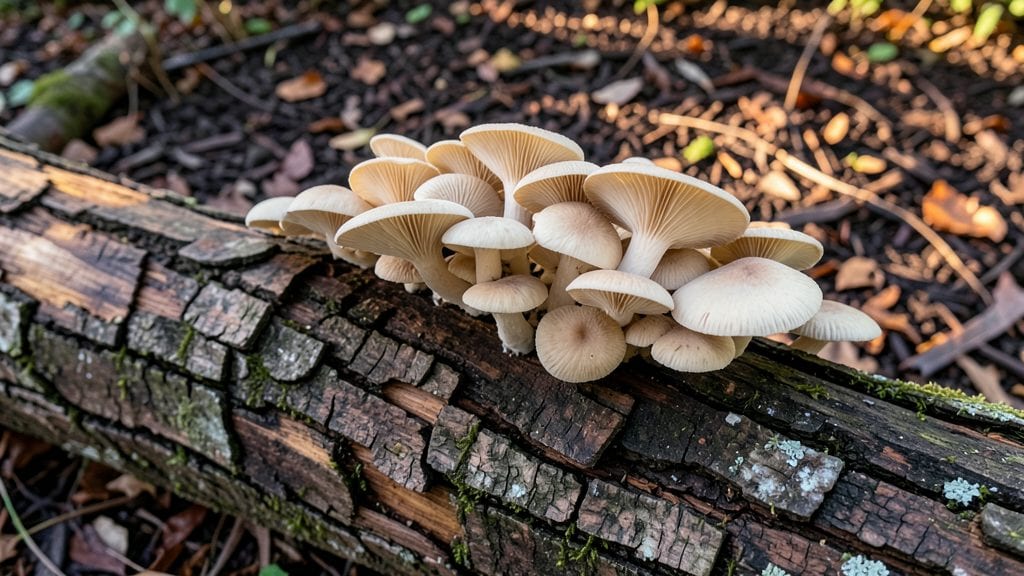
That creeping white garden fungus on your roses isn’t just unsightly—it’s silently starving your plants. I've spent years battling powdery mildew, downy mildew, and slime mold, and I'll show you how to spot the difference between these three common culprits before they ruin your garden.
The key is acting fast—once it spreads, recovery gets harder.
Most white fungus thrives in damp, shady conditions where airflow stalls. My biggest mistake was ignoring the first signs—those fuzzy white patches—until my tomatoes and squash were already struggling.
Proper spacing between plants and watering at the base (not overhead) cuts off its favorite growing conditions. You'll also need to check your garden's humidity levels, especially in summer.
Once it appears, you can fight back with a mix of baking soda spray for mild cases or neem oil for tougher infestations. For severe outbreaks, systemic fungicides work—but prevention is always easier.
I've saved entire garden beds by catching it early and adjusting my care routine. The payoff? Healthy plants that keep producing all season.
This works for vegetables, flowers, and even houseplants. The same principles apply whether you're dealing with a backyard garden or container plants on your patio. Let's get your plants back to thriving in no time.
Hidden Causes Behind Fungal Growth
White fungal growth in your garden isn’t just an eyesore—it’s a warning sign that something’s off in your soil or plant care routine. Understanding the root causes helps you tackle the problem before it spreads.
Below, we break down the most common reasons why this fungus appears, backed by science and practical insights.
Fungi thrive in damp, oxygen-deprived environments. When soil doesn’t drain properly—whether due to heavy clay, compacted earth, or overwatering—excess moisture creates the perfect breeding ground for white fungal spores.
- Why it happens: Poor drainage leads to anaerobic conditions (low oxygen), weakening plant roots and stressing them. Weakened plants become prime targets for fungal infections like powdery mildew or sclerotium.
- Actionable fix:
- Test your soil’s drainage by digging a hole, filling it with water, and timing how long it takes to drain. If it takes more than 6 hours, amend with compost or sand.
- Raise garden beds or install French drains in problem areas.
While plants need water, too much is a fast track to fungal outbreaks. Overwatering keeps leaves and soil persistently wet, giving fungi like white mold (Sclerotinia) the opportunity to colonize.
- Why it happens: Excess water:
- Washes away beneficial microbes that suppress fungi.
- Creates a high-humidity microclimate on leaf surfaces, ideal for spore germination.
- Actionable fix:
- Water deeply but infrequently—aim for 1 inch per week (adjust for rain). Use a moisture meter to avoid guesswork.
- Water early in the day so foliage dries quickly.
- Mulch with straw or wood chips to regulate soil moisture.
Leaves, dead plants, and mulch may seem harmless, but they’re actually fungal food sources. Decaying matter releases sugars and nutrients that fuel white fungal growth.
- Why it happens: Organic debris:
- Traps moisture, creating a stagnant, humid environment.
- Provides a food source for saprophytic fungi (like Rhizoctonia) that break down dead material.
- Actionable fix:
- Clear away fallen leaves and plant waste regularly.
- Use coarse mulch (e.g., pine straw) that allows airflow instead of fine mulch.
- Compost debris away from garden beds to prevent reinfection.
Fungi love humidity—think of it as their natural habitat. Stagnant air (common in dense plantings or greenhouses) traps moisture, giving spores the upper hand.
- Why it happens: Humidity levels above 70% and poor airflow:
- Slow leaf drying, leaving surfaces wet for fungal spores to land and germinate.
- Encourage powdery mildew (a white, flour-like fungus) to spread rapidly.
- Actionable fix:
- Improve airflow with spacers or pruning to reduce crowding.
- Use a dehumidifier in greenhouses or open vents on humid days.
- Water in the morning so foliage dries before nightfall.
Stressed plants—whether from pests, nutrient deficiencies, or disease—are far more susceptible to fungal infections. Think of it like a weakened immune system in humans.
- Why it happens: Plants under stress:
- Produce less antifungal compounds (like phytoalexins).
- Develop wounds or cracks (from pests or physical damage) that fungi exploit.
- Actionable fix:
- Fertilize with balanced, slow-release nutrients (e.g., 10-10-10) to avoid burning plants.
- Rotate crops annually to prevent soil-borne diseases from building up.
- Inspect plants weekly for pests (aphids, mites)—they often precede fungal outbreaks.
💡 Pro Tip: If you’ve ruled out drainage and watering, grab a soil test kit—sometimes pH imbalances (too acidic or alkaline) also invite fungal growth. Aim for a neutral pH (6.0–7.0) for most garden plants.
Practical fixes for fungal overgrowth
Fungal growth in your garden isn’t just unsightly—it can weaken plants, stunt growth, and even kill them if left unchecked. But don’t worry! With the right approach, you can eliminate existing fungal issues and prevent future outbreaks using simple, effective methods.
Below, we’ve mapped out targeted solutions based on the most common causes of white fungal growth, along with preventive steps to keep your garden thriving.
Fungal spores thrive in damp, stagnant conditions. If your soil stays soggy for too long, white fungal growth can spread like wildfire.
How to Fix It:
- 🔥 Improve Soil Drainage – Amend heavy clay soil with compost, perlite, or coarse sand to help water drain faster.
- 👨🍳 Adjust Watering Habits – Water deeply but infrequently (early morning is best) to let soil dry between sessions. Avoid overhead sprinkling, which can splash spores onto leaves.
- 🥘 Raise Garden Beds – If possible, elevate containers or beds to prevent waterlogging, especially in rainy climates.
💡 Prevention Tip: Install drip irrigation or soaker hoses to deliver water directly to roots while keeping foliage dry. A moisture meter can help track soil conditions.
Fungal spores spread easily in humid, low-light conditions—common in overcrowded gardens where airflow is restricted.
How to Fix It:
- 🔪 Prune Affected Plants – Remove infected leaves, stems, or entire plants (especially if severely damaged) and dispose of them in the trash (not compost).
- ⏰ Space Plants Properly – Follow plant spacing guidelines (check seed packets or plant tags) to ensure 3–6 inches of airflow between foliage.
- 🌿 Thin Out Overgrown Areas – If plants are too close, gradually remove some to improve circulation.
💡 Prevention Tip: Mulch lightly (1–2 inches) with straw or pine needles (avoid thick layers, which trap moisture). If using wood chips, opt for double-shredded varieties to prevent clumping.
Leaves, dead plants, and fallen branches create perfect hiding spots for fungal spores to survive and multiply.
How to Fix It:
- 🧹 Remove All Debris – Clear away fallen leaves, weeds, and plant waste from beds and around the garden. Burn or trash heavily infected material (don’t compost it!).
- 🌡️ Sterilize Tools – Disinfect pruners, shears, and rakes with rubbing alcohol (70%+) or a 10% bleach solution between uses.
- 🎯 Rotate Plant Locations – Avoid planting the same crops in the same spot year after year to break fungal life cycles.
💡 Prevention Tip: Use black plastic mulch in summer to suppress weeds and reduce organic matter while keeping soil warm.
Some gardens naturally stay damp due to shade, poor airflow, or high humidity—ideal conditions for fungal growth.
How to Fix It:
- ☀️ Increase Sun Exposure – Thin out overhanging branches or relocate shade-loving plants to sunnier areas.
- 🌬️ Install Fans or Windbreaks – A small oscillating fan near seedlings or a permeable windbreak can improve airflow in stagnant spots.
- 🍃 Choose Fungal-Resistant Varieties – Opt for disease-resistant plant breeds (e.g., powdery mildew-resistant tomatoes or marigolds that deter fungi).
💡 Prevention Tip: Avoid watering at night—evening moisture lingers longer, promoting fungal growth. Morning watering allows foliage to dry quickly.
If fungal growth persists, fungicides can help—but natural options are often just as effective for mild cases.
| Solution | How to Use | Best For |
|---|---|---|
| Baking Soda Spray | Mix 1 tsp baking soda + 1 tbsp oil + 1 tsp soap per gallon of water. Spray every 7–10 days. | Powdery mildew, early-stage fungi |
| Neem Oil | Apply 2 tbsp neem oil + 1 tsp mild soap per gallon of water. Spray weekly until growth stops. | General fungal prevention |
| Copper Fungicide | Follow label instructions for soil drenches or foliar sprays. | Severe infections (e.g., blight) |
| Hydrogen Peroxide (3%) | Dilute 1 part H₂O₂ to 3 parts water. Spray directly on fungi (safe for plants). | Spot treatments on leaves/stems |
⚠️ Caution: Always test sprays on a small area first to avoid damaging sensitive plants.
The best defense is a proactive garden strategy that reduces risk before problems start.
- 🌿 Rotate Crops Annually – Prevents soil-borne fungi from building up in one spot. - 🍅 Interplant with Fungus Fighters – Grow garlic, chives, or marigolds near susceptible plants (e.g., tomatoes, cucumbers). - 🌡️ Monitor Soil pH – Most fungi thrive in acidic soil (pH < 6.0).
Test your soil and amend with lime if needed (ideal pH: 6.0–7.0 for most veggies). - 🔄 Use Beneficial Microbes – Add mycorrhizal fungi or compost tea to outcompete harmful spores naturally.
Final Thought: White fungal growth doesn’t have to mean game over for your garden. By identifying the root cause and applying targeted fixes, you can restore plant health and keep future outbreaks at bay.
Start with one or two solutions that match your garden’s biggest issues, then monitor progress—your plants will thank you! 🌱✨
Frequently asked questions about white garden fungus
What’s the difference between powdery mildew and slime mold?
Powdery mildew appears as a white, powdery coating on leaves and thrives in dry, humid conditions. Slime mold, however, looks like creeping white or yellowish blobs on soil or mulch and feeds on decaying organic matter. The first is a plant parasite; the second is a harmless decomposer.
Can I still use plants affected by white fungus in the kitchen?
Only if it’s a harmless slime mold (like dog vomit fungus) growing on soil—not on the plant itself. If the fungus is on leaves or stems, avoid consuming those parts, as some white fungi (like Sclerotium rolfsii) can produce toxins. Always wash produce thoroughly, even if no visible growth remains.
Will vinegar kill white garden fungus?
Yes, but use it carefully! Mix 1 part white vinegar to 3 parts water and spray on affected areas. The acidity disrupts fungal cell walls. For best results, apply in the morning and avoid spraying directly on leaves (can cause burns). Repeat every 3–5 days until growth stops.
How do I prevent white fungus from coming back next season?
Focus on three key strategies:
- Improve airflow with proper spacing,
- Water at the base of plants in the morning, and
- Sterilize tools and remove all debris. Add compost tea to soil to boost beneficial microbes that naturally suppress fungi.
Is white fungus contagious to other plants in my garden?
Fungal spores spread via wind, water, and tools. If left untreated, powdery mildew or Sclerotium can jump to nearby plants within days. Isolate infected plants immediately and disinfect garden tools with rubbing alcohol or bleach to prevent cross-contamination.