Plants
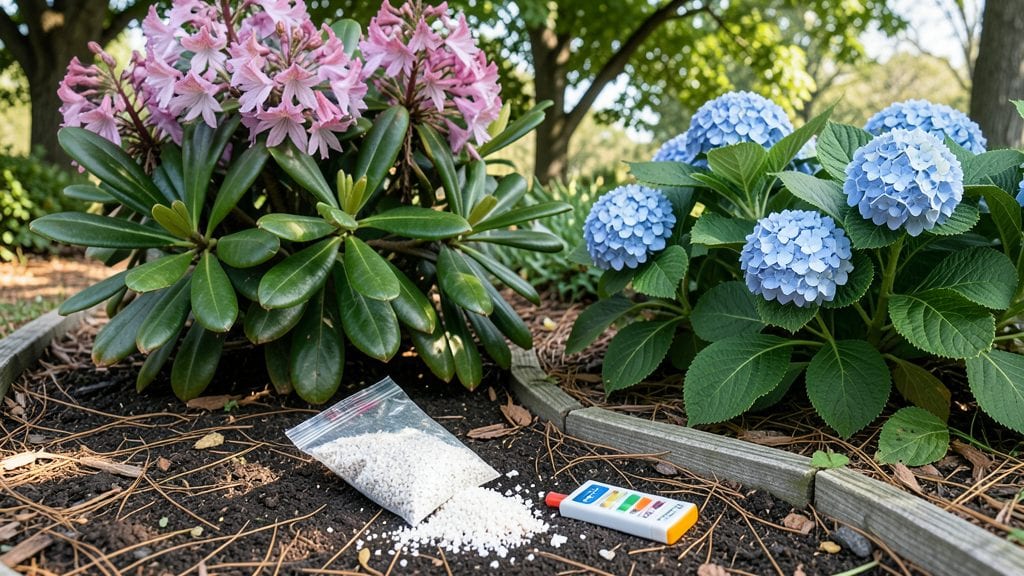
Garden plants that need lime to thrive include azaleas, hydrangeas, blueberries, and rhododendrons, which prefer acidic soil with a pH between 5.0 and 6.5. Adding crushed limestone or dolomitic lime helps raise soil pH, preventing issues like iron chlorosis. Always test your soil first—over-alkalizing can damage acid-loving plants like potatoes or blueberries.
Lime works by neutralizing soil acidity, making essential nutrients like phosphorus and calcium more available to plants. 🌱 For example, azaleas and hydrangeas show stunted growth or yellowing leaves when soil pH climbs above 6.5, signaling a need for lime.
My team recommends applying lime in early fall for gradual pH adjustment, especially in sandy soils where nutrients drain quickly. Always spread evenly and water lightly afterward to activate the amendment.
Beyond the classics, plants like gardenias, boxwoods, and lilacs also benefit from lime, though their needs vary slightly. A soil test reveals exact pH levels—most lime-dependent plants prefer the lower end of the scale.
For container gardens, mix lime directly into the potting soil, but avoid overdoing it, as excess lime can lock out micronutrients like iron and manganese.
💡 In This Article
- How Lime Adjusts Soil pH for Acid-Sensitive Plants
- 15 Best Lime-Loving Plants and Application Tips
How lime adjusts soil pH for acid-sensitive plants
Lime works its magic through a straightforward chemical reaction: when you add calcium carbonate (the active ingredient in garden lime), it reacts with hydrogen ions in acidic soil, neutralizing them. This process converts the soil's pH from acidic (below 7) toward neutral (around 7.0).
For example, a soil with pH 5.5 might only need a light application of 5-10 pounds of lime per 100 square feet to reach the ideal 6.0-6.5 range for acid-sensitive plants. The reaction releases calcium and magnesium ions, which also serve as essential plant nutrients.
The real game-changer is how pH affects nutrient availability. In acidic soil, plants struggle to access phosphorus and calcium because these nutrients bind tightly to soil particles. When lime raises the pH, these nutrients become soluble and available for uptake.
For instance, phosphorus—critical for root development—becomes 10 times more available at pH 6.5 compared to pH 5.0. That's why azaleas, which need abundant phosphorus for their vibrant blooms, show dramatic improvement after liming. The flip side?
Too much lime can make micronutrients like iron and manganese unavailable, causing yellowing leaves—a classic sign of iron chlorosis.
Here's what happens at the plant level: when soil pH climbs above 6.5-7.0, azaleas and rhododendrons can't absorb enough iron, leading to yellowing between leaf veins. The plant's natural defense mechanisms kick in, but growth slows dramatically.
Soil tests reveal the exact pH—most lime-dependent plants thrive between 5.0-6.5, with some like blueberries preferring the 4.5-5.5 range. The key is precision: over-liming can create a "lockout" effect where essential nutrients become inaccessible, even if they're present in the soil.
Timing matters too. Fall application gives lime 3-6 months to work before spring planting, while spring applications risk over-alkalizing before the growing season begins.
The texture of your soil plays a role: sandy soils require more frequent liming (every 1-2 years) because nutrients leach out quickly, while clay soils hold lime longer (every 3-4 years).
For container gardens, mix lime directly into the potting soil at planting, using 10-20% of the recommended outdoor rate—containers dry out faster, accelerating pH changes.
Visual cues help gauge success: healthy azaleas have deep green foliage with rich purple blooms, while over-limed plants show brown leaf tips and stunted growth. The science behind this involves the plant's root zone chemistry—lime creates a buffer zone where pH remains stable, giving roots consistent access to nutrients.
For gardeners, this means fewer nutrient deficiencies and stronger plants. The sweet spot? A soil pH that matches the plant's natural habitat—most lime-dependent species evolved in acidic forest floors, where pH rarely exceeds 6.0.
What most gardeners don't realize is that lime's effects are gradual. A single application might only shift pH by 0.2-0.5 points—that's why regular testing is essential. For example, hydrangeas need consistent pH to maintain their blue or pink hues (alkaline vs acidic soil), making precise liming crucial.
The takeaway? Lime isn't a quick fix—it's a long-term soil amendment that requires patience and monitoring to get right. 🌿