
Vegetables
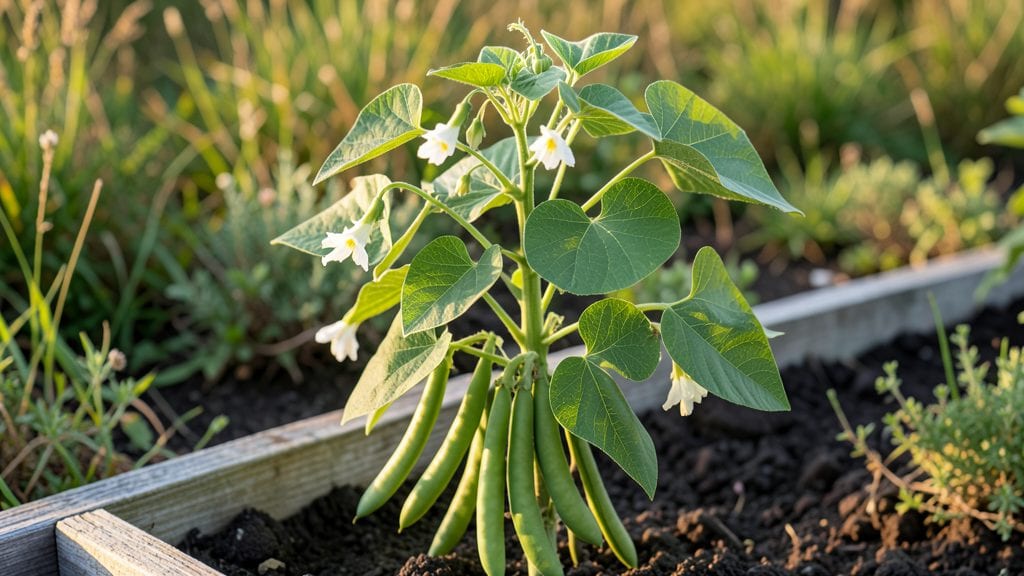
Garden beans and green beans aren't the same: garden beans include larger, flatter types like wax beans and butter beans, while green beans specifically mean the slender, crisp Phaseolus vulgaris used in salads and stir-fries. Both come from the same family but have distinct traits in size, shape, and how they're used in cooking.
This distinction matters because the terms are often used interchangeably in grocery stores, but the differences affect how you prepare and enjoy them. 🌱 For example, garden beans like butter beans hold up better in slow-cooked dishes, while green beans shine when lightly steamed or sautéed. The confusion stems from their shared botanical family—both belong to the legume group—but their growing habits and maturity stages create these key variations.
Understanding these differences helps you choose the right bean for your recipe. Green beans are typically harvested younger for their crisp texture, while garden beans are allowed to mature more for a meatier bite. This affects everything from cooking time to flavor intensity in your dishes.
💡 In This Article
- Botanical and Culinary Differences Between Garden Beans and Green Beans
- How to Grow and Use Garden Beans vs Green Beans in Cooking
Botanical and culinary differences between garden beans and green beans
The confusion between these legumes starts with their scientific classification. True green beans belong to the species Phaseolus vulgaris, specifically the pole bean or bush bean varieties that produce the slender pods we know for salads.
These plants grow on vines that can reach 6-8 feet tall or in compact 1-2 foot bush forms, with pods typically harvested when just 4-6 inches long for maximum crispness. Their thin skins and tender flesh make them ideal for quick cooking methods.
In contrast, garden beans encompass a broader category that includes not just Phaseolus vulgaris but also Phaseolus coccineus (runner beans) and other varieties like wax beans and butter beans. These often develop thicker pods and are allowed to mature longer—sometimes up to 8-10 inches—before harvest.
The key difference lies in their growth patterns: while green beans focus on early harvest for tenderness, garden beans prioritize fuller development for heartier textures. This maturity difference explains why garden beans often have a more substantial, almost meaty quality when cooked.
Nutritionally, both share similar benefits—high in fiber, folate, and vitamin K—but their culinary applications diverge due to these botanical traits.
Green beans contain about 30-35 calories per 100 grams with 2.2 grams of protein, while larger garden beans like butter beans pack 130-150 calories per 100 grams and 8-9 grams of protein due to their thicker seed content.
The starchier composition of garden beans makes them perfect for baked dishes or soups, where their structure holds up better during prolonged cooking.
Here's what's actually happening in the kitchen: the cell wall composition differs between the two. Green beans have thinner cell walls that break down quickly when heated, which is why they turn mushy if overcooked. Garden beans, with their denser structure, can withstand longer cooking times without collapsing.
This structural difference also affects their raw eating potential—green beans are often enjoyed al dente or raw in salads, while garden beans typically require cooking to soften their firmer texture.
Consider these common varieties under each category to better understand the distinctions:
- Green beans: Contender, Blue Lake, Romano (all Phaseolus vulgaris varieties)
- Garden beans: Wax beans (yellow-green pods), butter beans (large white seeds), runner beans (long, flat pods)
The science behind their flavor development also reveals why they're used differently. Green beans contain higher levels of glucosinolates—compounds that contribute to their crisp, slightly bitter freshness when raw.
As they mature, these compounds convert to sugars, which is why overripe green beans taste sweeter but lose their signature snap. Garden beans, meanwhile, develop more starch granules during maturation, giving them that satisfying bite when cooked properly.