
Companion Plants
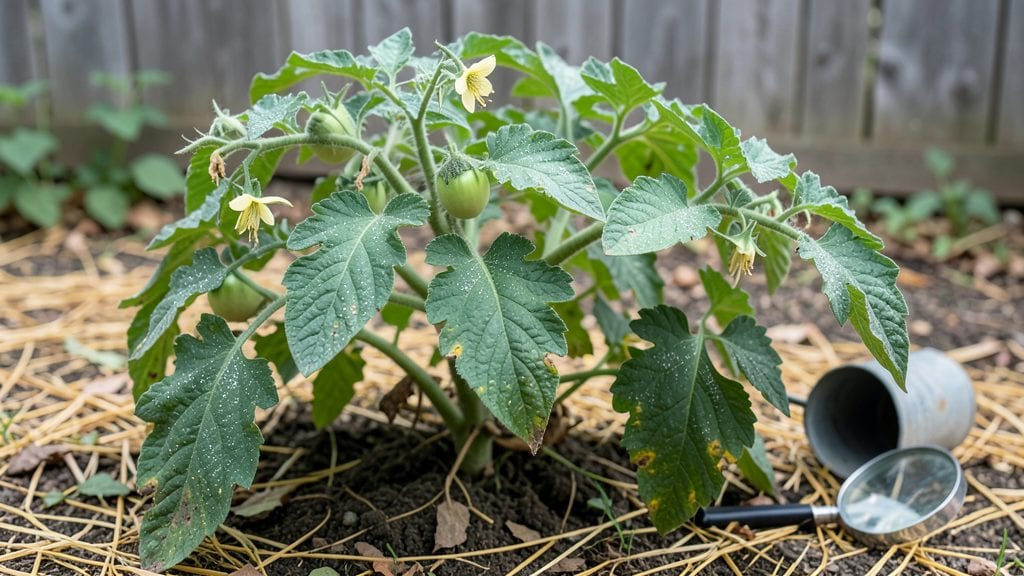
White spots on garden plants usually mean powdery mildew, but it could be something else—here’s how to tell them apart and fix it fast. 🌱 I’ve seen this ruin entire tomato plants in a week if you don’t act, but the right approach stops it dead in its tracks.
The key is catching it early, when spots are still powdery or greasy, not when the leaves turn yellow and crunchy.
Most white spots start as fungal spores that love damp leaves and crowded plants. Powdery mildew looks like dusting flour, while downy mildew feels slimy and spreads faster.
Nutrient deficiencies or pests like spider mites can also cause white residue, but they leave different clues—check the undersides of leaves for webbing or tiny bugs. My go-to fix? A mix of baking soda, water, and a drop of dish soap sprayed in the evening when humidity drops.
Once you’ve identified the problem, prevention is easier than you think. Space plants for airflow, water at the base (not overhead), and rotate crops yearly. For stubborn cases, neem oil or horticultural oil smothers spores without harming pollinators.
Within a week, you’ll see new growth pushing through, and those white spots will vanish—just like they did in my basil patch last summer.
If the spots keep coming back or spread to stems, it’s time to call in a pro. Some fungal infections need stronger treatments, and your local extension office can test samples for free.
But in 90% of cases, this organic approach works—just give it time and consistency. Your plants will thank you with lush, spot-free leaves by next season.
Root Causes Of Plant Spots
White spots on your garden plants aren’t just an eyesore—they’re often a cry for help from your leafy friends. Understanding the why behind these spots is the first step to saving your plants. Below, we break down the most common culprits, backed by science and actionable insights.
Fungi are the #1 cause of white spots on plants, thriving in damp, humid conditions. These microscopic organisms release spores that land on leaves, stems, or fruit, where they germinate and form powdery mildew (a fuzzy white coating) or rust (pustules that burst, releasing spores).
- Powdery Mildew (Erysiphe spp., Sphaerotheca spp.):
- Appears as white, powdery patches on the upper surfaces of leaves.
- Feeds on plant sap, weakening photosynthesis and stunting growth.
- Why it spreads: High humidity (above 75%), poor air circulation, and overhead watering create the perfect fungal buffet.
- Rust Fungi (Puccinia spp., Hemileia spp.):
- Starts as tiny yellow spots that turn into white pustules (like little volcanoes of spores).
- Often appears on the lower leaf surfaces.
- Why it spreads: Cool, wet conditions (especially spring/fall) and susceptible host plants (e.g., roses, beans, tomatoes).
- Downy Mildew (Peronospora spp., Bremia spp.):
- White fuzzy spots on the underside of leaves, often turning yellow/brown above.
- Causes leaf drop and defoliation if untreated.
- Why it spreads: Prolonged leaf wetness (e.g., morning dew, rain) and cool nights.
💡 Pro Tip: Fungi love stagnant air. Space plants properly (3–4 feet apart) and prune for airflow to starve spores of their favorite conditions.
Not all white spots are fungal. Some are the handiwork of sap-sucking insects that leave behind sticky residue (honeydew) or chewed tissue that turns white as it dries.
- Aphids (Greenfly, Blackfly):
- Cluster on new growth, sucking sap and excreting sticky honeydew, which attracts sooty mold (a black, powdery fungus).
- Leaves may curl or develop white, waxy patches where aphids feed.
- Whiteflies (Bemisia tabaci):
- Tiny white moth-like insects that flutter when disturbed.
- Their feeding causes silver-white leaf spots and sticky residue, leading to sooty mold.
- Mealybugs:
- Leave cottony white patches (their waxy secretions) on stems, leaves, and buds.
- Heavy infestations weaken plants, making them prone to secondary infections.
🔥 Quick Fix: Blast pests off with a strong stream of water or use neem oil (1 tsp per quart of water) to disrupt their life cycle.
Extreme temperatures can scorch leaves, leaving white or bleached patches where cells die.
- Sunburn:
- Young plants or those suddenly moved to full sun may develop white, crispy spots (like sunburn on skin).
- Why it happens: Intense UV rays + insufficient water = cell damage.
- Frost or Cold Damage:
- Freezing temps cause white, mushy spots (ice crystal formation ruptures cells).
- Common in tender plants (e.g., tomatoes, peppers) after a late frost.
- Chemical Burn:
- Over-application of fertilizers (especially salt-based) or herbicides/drift can bleach leaves white.
- Symptoms: White/yellow edges or spots, often paired with leaf curling.
✨ Prevention Tip: Acclimate plants to sun gradually (harden off seedlings) and use row covers for frost-prone areas.
While less common, nutrient imbalances can cause white spotting, often confused for disease.
- Magnesium Deficiency (Interveinal Chlorosis):
- Leaves develop white/yellow patches between veins (especially older leaves).
- Why it happens: Poor soil drainage or high potassium/calcium levels lock out magnesium.
- Calcium Deficiency:
- New leaves show white, crinkled spots (common in tomatoes, peppers).
- Why it happens: Overwatering flushes calcium out of root zones.
- Excess Salt (Sodium/Chloride):
- White crust on soil + white leaf tips/spots (from tap water or synthetic fertilizers).
- Why it happens: Salts build up in soil, preventing water uptake.
📊 Soil Test Solution: Use a DIY soil test kit (or send to a lab) to check pH and nutrient levels. Amend soil with Epsom salt (magnesium) or lime (calcium) as needed.
While less common than fungi, viruses and bacteria can cause white spots, often paired with other symptoms.
- Bacterial Leaf Spot (Xanthomonas spp., Pseudomonas spp.):
- White/yellow spots with water-soaked centers that turn brown and drop out.
- Why it spreads: Rain splashing bacteria from infected plants or tools.
- Tobacco Mosaic Virus (TMV):
- Causes white, mosaic-like patterns on leaves (often with yellow rings).
- Why it spreads: Contaminated hands, tools, or infected seeds.
🚨 Warning: Viral infections are often incurable. Remove infected plants immediately and disinfect tools with 70% rubbing alcohol.
- Hail or Wind Damage:
- Leaves may show white, crushed spots where cells rupture.
- Mechanical Injury (e.g., lawnmower blades, pruning cuts):
- Can create white, scabbed areas where tissue dies.
🔪 Fix It: Prune damaged leaves with sterilized shears and protect plants from harsh weather with cloches or row covers.
Quick Fixes for Plant Spots
White spots on your garden plants might feel like a mystery, but the good news is that most causes have simple, organic solutions. Below, we’ve mapped out the most common culprits and the best ways to tackle them—plus tips to keep your plants spot-free for good.
Fungi thrive in damp, shaded conditions, so early action is key.
🔥 Remove Infected Growth
- Snip it out: Use clean pruners to trim away heavily spotted leaves or stems. Dispose of them in the trash (not your compost)—fungi can survive and reinfect.
- Pro tip: Sterilize your tools with rubbing alcohol between cuts to avoid spreading spores.
🌿 Boost Airflow & Sunlight
- Space plants out: Crowded foliage traps moisture. Thin out overgrown plants or add trellises for better airflow.
- Prune strategically: Open up the center of shrubs and bushes to let sunlight penetrate.
💡 Organic Fungicides
- Baking soda spray: Mix 1 tsp baking soda + 1 tbsp vegetable oil + 1 tsp mild soap in 1 quart of water. Spray undersides of leaves every 7–10 days.
- Neem oil: A natural fungicide and insect repellent.
Dilute 1 tbsp neem oil + 1 tsp soap in 1 quart of water. Spray in the evening to avoid harming bees. - Copper-based sprays: Organic options like copper fungicide (e.g., Bonide Copper Fungicide) can prevent rust and leaf spot. Follow label instructions.
🌡️ Prevent Future Outbreaks
- Water wisely: Water at the base in the morning (not overhead) to keep leaves dry.
- Rotate crops: Avoid planting the same family of plants (e.g., tomatoes, peppers) in the same spot yearly.
- Mulch properly: Use straw or wood chips to improve soil health and reduce splashing water onto leaves.
Tiny pests can leave behind white, waxy residue or speckled damage.
👨🍳 Blast Them Away
- Hose them off: Spray plants with a strong stream of water to dislodge pests. Do this in the early morning or late evening.
- Insecticidal soap: Mix 2 tbsp castile soap + 1 quart of water.
Spray directly on pests (avoid hot sun to prevent leaf burn).
🥘 Introduce Beneficial Bugs
- Ladybugs or lacewings: Release these natural predators into your garden. They’ll feast on aphids and mites.
- Predatory mites: For spider mites, introduce Phytoseiulus persimilis (available at garden centers).
🎯 Preventative Measures
- Reflective mulch: Use silver or gold mulch film to confuse whiteflies.
- Diatomaceous earth (DE): Sprinkle food-grade DE around plant bases (reapply after rain). It dehydrates soft-bodied pests.
- Companion planting: Interplant with marigolds, basil, or garlic to repel pests naturally.
Sometimes, white spots aren’t a disease—just your plants crying for help!
☀️ Adjust for Sun Exposure
- Gradual acclimation: If moving plants outdoors, harden them off slowly (1–2 hours of sun per day, increasing over a week).
- Shade cloth: Use 30–50% shade cloth for sensitive plants (e.g., lettuce, ferns) in intense sunlight.
💧 Rinse Off Mineral Buildup
- Rainwater rinse: Gently hose down leaves with rainwater or distilled water to remove salt or mineral deposits (common near roads or with hard water).
- Chelating agents: For severe buildup, use a chelating spray (like those for iron chlorosis) to restore leaf health.
✨ Soil & Water Care
- Test your soil: Use a DIY kit to check pH and nutrient levels. Amend with compost or sulfur if needed.
- Avoid over-fertilizing: Too much salt (from synthetic fertilizers) can cause white crusting. Opt for organic, slow-release fertilizers.
If a plant is more than 50% covered in spots or wilting despite treatment, it’s often best to remove it. Fungi and pests can spread quickly, and some plants (like tomatoes or peppers) are more susceptible to repeat infections.
💡 Pro Tip: Keep a garden journal to track what works! Note which treatments cleared spots fastest and adjust your care routine for next season. Happy gardening! 🌱
Frequently asked questions about plant spots
Why do my plant leaves suddenly develop white spots overnight?
Most likely, you're dealing with powdery mildew—a fungal infection that spreads rapidly in humid conditions. These spores germinate on leaves within 24-48 hours when humidity stays above 75%. Check for fuzzy white patches on leaf surfaces, especially on crowded plants or those with poor airflow. The good news? Catching it early means you can stop it before it spreads to stems.
Can I still harvest fruit from plants with white spots?
It depends on the cause. If the spots are from fungal infections like powdery mildew, harvest any fruit that's already formed before spores spread to it. For pest-related spots (like aphids), the fruit may still be safe—just wash it thoroughly before eating. When in doubt, isolate infected plants and monitor nearby fruits for new spots. Some fungal diseases (like early blight) can contaminate tomatoes and peppers, so remove heavily infected fruit immediately.
Will my neighbor's plants infect mine if they have white spots?
Absolutely—many fungal spores and pests can travel through the air or on tools. Powdery mildew spores can drift up to 100 feet on breezes, while whiteflies and aphids might fly to nearby plants. To protect your garden, space susceptible plants 3-4 feet apart, avoid overhead watering, and inspect new plants before bringing them home. A 1% neem oil spray applied preventatively can create a protective barrier against airborne spores.
Why does my houseplant get white spots but my outdoor plants don't?
Indoor plants often develop white spots due to overwatering combined with poor airflow—the perfect recipe for fungal growth. The low light and high humidity inside create ideal conditions for downy mildew or rust fungi. Outdoor plants typically have more airflow and sunlight, which naturally inhibits fungal spores. Check your plant's soil moisture (stick your finger in—if it's damp after 2 days, you're overwatering) and move it to a brighter spot with better circulation.
How do I know if white spots are from disease or just mineral buildup?
Mineral buildup (like from hard water or fertilizer salts) usually appears as white crusty deposits on leaves or soil surface, often paired with brown leaf edges. Disease-related spots are usually fuzzy, powdery, or greasy to the touch. Do this quick test: Gently rub a spot with your finger—if it smears like flour, it's likely powdery mildew. If it feels dry and flaky, it's probably mineral buildup. Rinse leaves with distilled water for mineral spots, while fungal spots need a baking soda spray.