
Vegetables
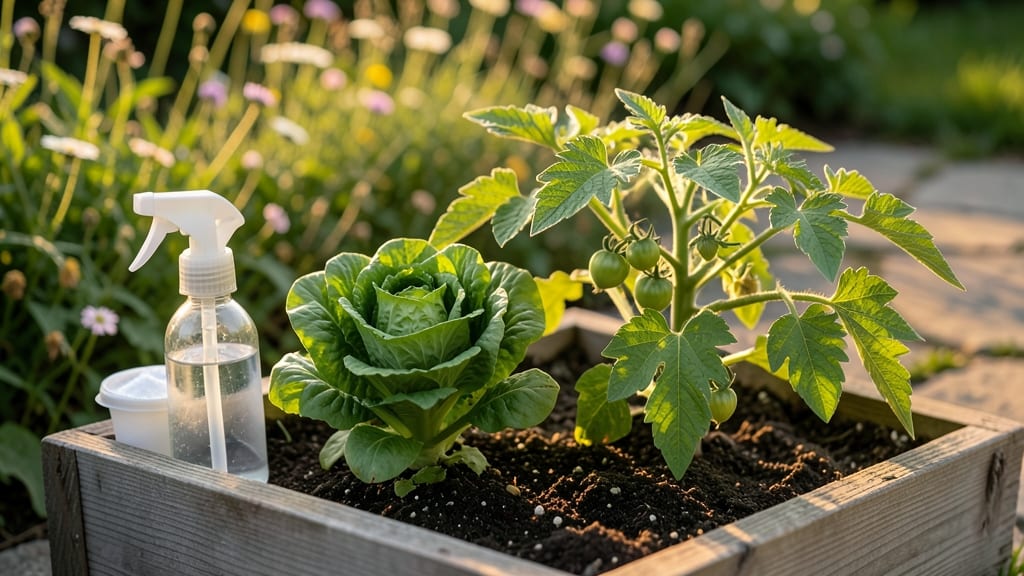
Using baking soda in vegetable gardens helps control fungal diseases, deter pests, and balance soil acidity when applied properly—dilute solutions for leaf sprays or mix into soil, but use sparingly to avoid plant damage.
Baking soda's alkaline nature disrupts fungal spores like powdery mildew, making it an effective organic treatment for common vegetable garden issues. 🌱 For pests, it creates an inhospitable environment for soft-bodied insects without harming beneficial predators.
The key is proper dilution—too much can alter soil chemistry or burn foliage, so always test on a small area first. I've found it works best on leafy greens and tomatoes when applied in the early morning or evening.
This approach is particularly valuable for organic gardeners seeking non-toxic alternatives to chemical treatments. The mild pH adjustment helps prevent blossom-end rot in tomatoes and other calcium-sensitive crops, though it won't replace comprehensive soil testing for major pH corrections.
Always combine baking soda treatments with proper garden hygiene—removing infected leaves and improving airflow—to maximize effectiveness.
💡 In This Article
- How Baking Soda Works in Vegetable Gardens
- Safe Baking Soda Garden Spray Recipes and Application Tips
How baking soda works in vegetable gardens
Baking soda, or sodium bicarbonate, functions primarily through its alkaline properties (pH ~8.3 when dissolved in water). When applied to plant leaves, it creates an environment that disrupts fungal spores like powdery mildew by altering the cell membrane permeability of the spores.
The sodium ions interfere with the fungal cell's ability to maintain proper water balance, essentially dehydrating and killing the spores before they can infect plant tissue. This mechanism is particularly effective against mildew because the spores lack the protective cuticle found in mature plant leaves.
The alkaline nature also repels soft-bodied pests like aphids and spider mites by making the leaf surface inhospitable. These insects prefer slightly acidic environments (pH 5-6), and baking soda's pH of 8-9 creates a chemical barrier they avoid.
For example, a 1 teaspoon per quart solution raises leaf surface pH enough to deter infestations without harming the plant itself. The key difference from commercial pesticides is that baking soda doesn't kill pests outright—it creates an environment where they can't thrive or reproduce. 🌿
In the soil, baking soda works by gradually raising pH levels through sodium ion exchange with hydrogen ions in acidic soils. This process is gentle because sodium bicarbonate dissociates slowly, preventing sudden pH shocks that could damage root systems.
For instance, mixing 1 tablespoon per square foot into the top 2 inches of soil can raise pH by 0.5-1.0 points over several weeks.
This mild adjustment helps prevent issues like blossom-end rot in tomatoes by improving calcium availability, though it won't correct severe pH imbalances caused by heavy metal contamination or extreme acidity.
However, baking soda has clear limitations. Its effectiveness against hard-shelled pests (like beetles) is minimal because their exoskeletons protect them from chemical changes. Additionally, overapplication can lead to sodium buildup in soil, which may eventually cause nutrient imbalances or salt stress in sensitive plants.
The sodium content also makes it unsuitable for gardens with waterlogged soils, where excess sodium would accumulate in the root zone. Always monitor soil moisture and plant responses when using baking soda for soil amendment.
What most gardeners don't realize is that baking soda's antifungal properties work best in combination with proper garden hygiene. Removing infected leaves and improving airflow creates an environment where fungal spores have less opportunity to establish.
I've found that applying baking soda sprays in the early morning allows the solution to dry before afternoon heat, which can concentrate the alkaline effects on fungal spores without burning foliage. The cooling effect of morning dew also helps dilute any potential residue buildup. ✨
The chemical process involves more than just alkalinity—baking soda also creates a slightly hypertonic environment on leaf surfaces. This means the solution has a higher solute concentration than the fungal cells, causing water to move out of the spores through osmosis.
This dual mechanism (alkalinity + osmotic pressure) is why baking soda works better than plain water or even some commercial fungicides for early-stage mildew infections. The treatment becomes less effective once spores have penetrated plant tissue, which is why early intervention is critical.