
Picking
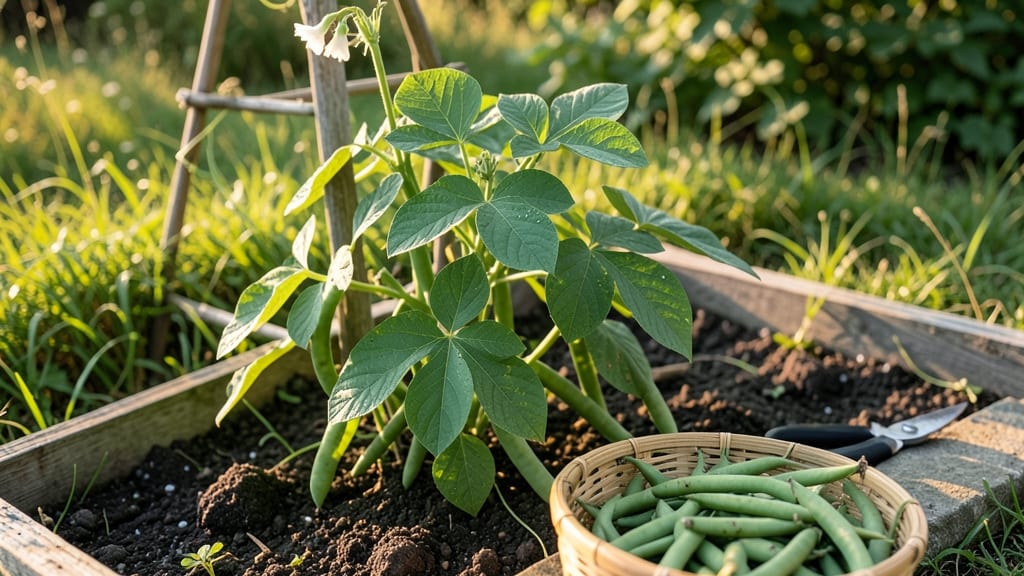
Picking green beans 🌱 at the right moment ensures the crispest, sweetest pods straight from your garden—and missing that window means tough, stringy beans that taste more like disappointment than dinner.
Harvesting green beans at the wrong time means sacrificing crispness, sweetness, and even yield—so knowing exactly when to pick them can mean the difference between a disappointing dinner and a garden-fresh feast.
Most gardeners wait too long, letting pods swell past their prime. But the secret lies in size, color, and a simple snap test—all clues your plants give you every day if you know what to look for.
In this guide, I’ll walk you through the ideal harvest window, how often to pick for maximum yield, and the telltale signs that your beans are ready—so you can enjoy that fresh-from-the-vine crunch all season long.


The perfect green bean size & snap test for optimal harvest time
Timing your green bean harvest is an art that balances crisp texture, sweet flavor, and plant productivity. Picking too early means tough, underdeveloped pods, while waiting too long sacrifices tenderness and encourages pests.
The key lies in mastering three simple cues: pod length, color consistency, and the legendary snap test. These visual and tactile clues ensure every bean you harvest delivers that prized garden-fresh crunch.
Most gardeners focus only on size, but the snap test reveals hidden maturity clues. A crisp snap indicates peak sweetness, while a dull thud signals overripeness. Combine this with bright green color and 4-6 inch pods, and you've got the perfect trifecta for harvest success.
Understanding these markers transforms guesswork into a reliable system that maximizes your yield and flavor.
Here's how to apply these principles in your garden for foolproof results:
Let's start with pod length, the most obvious indicator. For most green bean varieties, aim for pods between 4-6 inches long. This range captures the sweet spot where flavor and texture peak.
Varieties like Blue Lake and Kentucky Wonder fit this mold perfectly, while dwarf varieties may mature slightly smaller. Measure a few pods from your plants to establish your variety's ideal size baseline.
Color plays a crucial secondary role. Bright, uniform green pods indicate optimal ripeness, while dull or yellowing pods signal overmaturity. Some heirloom varieties develop subtle purple streaks when ready, but these should remain vibrant, not faded.
Check pods in morning sunlight when colors appear most vivid, avoiding the misleading shadows of afternoon light.
The snap test is where gardening science meets sensory experience. Hold a pod between your fingers and gently bend it - a crisp, audible snap confirms peak ripeness. If it bends without resistance, it's past its prime.
For pole beans, this test works best on the lower pods first, as they mature slightly earlier than upper growth. Pro tip: Perform this test on 3-5 pods to account for natural variation within the plant.
Common mistakes often stem from environmental factors you might overlook. Hot, dry weather accelerates maturity, so check pods more frequently during heatwaves. Conversely, cool, cloudy conditions slow development. Always harvest in the morning after dew dries when pods contain maximum moisture and flavor compounds.
Nighttime harvesting can lead to limp, waterlogged beans that lose their snap within hours.
Visual cues alone won't catch everything - that's where seed development comes in. At perfect harvest time, you should see tiny seeds through the pod's skin, but they shouldn't fill more than 25% of the pod's length.
When seeds become clearly visible or start pressing against the pod walls, you've passed the ideal window. This internal check prevents the most common harvest mistake: waiting just one more day for "bigger beans."
For bush bean varieties, focus on the lower pods first as they mature earliest. With pole beans, work from the bottom upward to maintain an even harvest across the vine.
This staggered approach prevents sudden flushes of maturity that overwhelm your kitchen. Remember: the more consistently you harvest at peak ripeness, the more your plants will produce throughout the season.
When in doubt, err on the side of earlier harvesting. Beans picked at 4 inches will still grow another inch or two, but those picked at 6 inches won't recover their lost tenderness.
This principle extends to drought conditions - slightly smaller but perfectly snappy beans are better than waiting for larger, tougher pods during water stress.
Finally, pay attention to your plants' growth patterns. If you notice pods forming at the base of the plant while others remain small, it's time to harvest more aggressively.
This "backlog" signal means your plant is struggling to keep up with its own production schedule. By mastering these visual and tactile cues, you'll transform your green bean harvest
How often to harvest green beans for maximum yield & plant health
Harvesting your green beans at the right intervals isn't just about timing—it's the secret to keeping your plants productive and healthy all season long. When you skip this step, you risk over-mature pods, bitter flavors, and even disease problems like powdery mildew.
The key lies in a simple routine that keeps your plants encouraged to produce more while ensuring you always get the crispest, sweetest beans possible.
Most gardeners make the mistake of waiting too long between harvests, thinking their plants can "catch up." But green beans are continuous producers, meaning they reward you with more pods when you pick consistently.
Think of it like trimming your hedges—the more you maintain them, the fuller and healthier they grow. The same principle applies here: frequent harvesting signals your plants to focus energy on new growth rather than letting existing pods harden into dry, woody shells.
Now, let's break down the exact steps and signs to watch for so you never miss the perfect moment to harvest.
- Pick every 2-3 days during peak production (usually July-August). This keeps plants encouraged to produce more.
- Check for bright green color and 4-6 inch length—these are your key indicators of readiness.
- Use the snap test: Bend a pod sideways—if it snaps with a crisp sound, it's ready to harvest.
- Stop harvesting when pods turn yellow or brown—this signals over-maturity and reduces plant energy for future production.
- Harvest in the morning when pods are cool and crispest, reducing stress on the plant.
- Leave 1-2 inches of stem when cutting to prevent disease entry points and encourage new growth.
Consistent harvesting doesn't just improve your yield—it also extends your harvest season. When you pick regularly, your plants keep producing for weeks longer than if you let pods go to seed.
I've seen my own bush beans continue yielding for nearly 8 weeks straight when harvested every 2-3 days, compared to just 4-5 weeks with infrequent picking.
Watch for signs of over-maturity, like pods turning yellow or seeds becoming visible through the skin. These are clear signals to slow down harvesting and let the plant redirect energy toward seed production for next year's crop.
Over-mature beans also attract pests like bean beetles, which can decimate your plants if left unchecked. A quick check every few days keeps your garden thriving and your table stocked with fresh, tender beans.
For pole beans, which produce over a longer season, you can stretch harvests even further by picking only the lower pods first. This encourages upward growth and delays the need to harvest the top pods.
Just remember: the more you maintain your plants, the more they'll reward you with abundant, high-quality harvests all season long.