
Picking
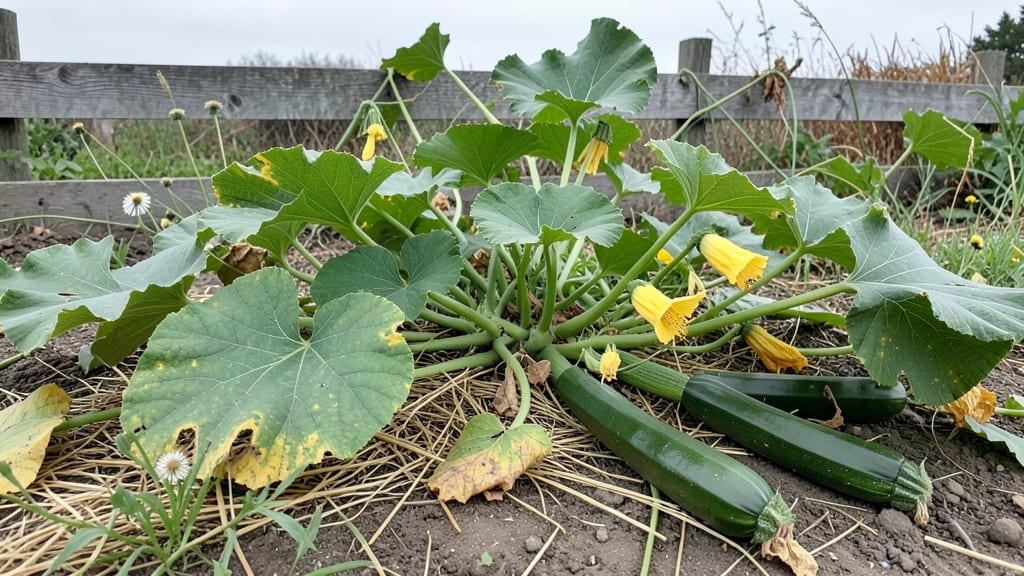
Picking squash from the garden at the right time transforms a meal from bland to bursting with flavor—and skipping this window means tough, bitter fruit that’s barely edible.
Harvesting squash at the perfect moment means the difference between a sweet, flavorful meal and a tough, watery disappointment—so how do you know when those vines are ready?
Most gardeners miss the sweet spot because they focus on size alone, but the real clues are in the color shift and texture. A zucchini’s skin should turn from pale green to a deep, matte yellow, while butternut squash develops creamy patches. The stem should snap cleanly, not tear.
In this guide, I’ll walk you through the exact color cues, size benchmarks, and tactile tests to pick squash at its peak—plus how to handle each variety like a pro, from delicate zucchini to hardy acorn types.
How to tell when squash is ripe by color and size
Knowing when to pick squash from your garden depends on two key factors: color changes and size benchmarks. Each squash variety has unique ripening cues—some turn from green to yellow, while others develop deep creases or a glossy finish.
Sunlight exposure also plays a role, as shady squash may ripen slower or develop uneven coloring. If you harvest too early, you’ll get bland, seedy squash, but waiting too long risks tough skin and stringy flesh.
Sunlight is your biggest ally when determining ripeness. Yellow squash varieties like zucchini and pattypan need full sun exposure to develop their signature bright hues. Without enough sunlight, they’ll stay pale and underdeveloped.
Meanwhile, green squash like acorn or butternut squash rely on consistent sun to reach their mature size and firm texture. Even a few hours of shade can delay ripening by 1-2 weeks.
Here’s how to use color and size as your guide for different squash types:
<summary-table>| Variety | Ripe Color | Mature Size | Sunlight Needs | Harvest Tip |
|---|---|---|---|---|
| Yellow Squash (Zucchini) | Bright yellow or golden | 6-8 inches long | 6-8 hours daily | Pick when skin is glossy and firm |
| Green Squash (Acorn) | td>Deep green with creases | 4-6 inches diameter | 6+ hours daily | Harvest when stem separates easily |
| Butternut Squash | Tan or cream with orange neck | 8-10 inches long | Full sun (8+ hours) | Wait for hard rind and sweet aroma |
| Pumpkin | Deep orange or yellow | 8-12 inches diameter | Full sun (8+ hours) | Check for dull stem and firm skin |
For yellow squash, look for a uniform color—no green streaks. A 6-inch zucchini is ideal, but don’t wait until it’s 8 inches long or it’ll be seedy. Green squash, like acorn varieties, should have deep creases and a matte finish.
If the skin still looks waxy, it’s not ready. Butternut squash and pumpkins take longer, often 90-120 days to ripen, so patience is key—wait until the skin is hard to pierce with your fingernail.
Sunlight exposure affects color intensity and size potential. If your squash is growing in partial shade, it may never reach its full color or size. For example, a zucchini in shade might stay greenish-yellow instead of golden.
To fix this, prune nearby plants to improve airflow and sunlight access. If you’re growing squash in containers, ensure they get at least 6 hours of sun daily—otherwise, they’ll ripen unevenly.
Don’t rely solely on days to maturity listed on seed packets. These are general estimates based on ideal conditions. In cooler climates or shady spots, squash may take 2-3 weeks longer to ripen.
Keep an eye on neighboring plants—if their squash is ready and yours isn’t, it’s likely due to insufficient sunlight or nutrient deficiencies. A quick soil test can confirm if your plants need more phosphorus or potassium.
One common mistake is overestimating ripeness based on size alone. A 10-inch zucchini isn’t necessarily better—it’s often overripe and mealy. Instead, focus on color consistency and skin firmness.
If the squash feels slightly soft when gently squeezed near the stem, it’s ready. A hard squash needs more time, while a mushy one is past its prime.
For heirloom or specialty varieties, like pattypan squash, ripeness is signaled by color changes in the ribs. The ribs should turn deep yellow or orange while the rest of the squash remains green.
If you’re unsure, check the stem attachment—a ripe squash’s stem should twist off easily with a slight tug, leaving a small stem nub on the squash. If it resists, wait a few more days.
Pro tip: Morning harvests are best because squash absorbs moisture overnight, making them heavier and easier to handle. Use a sharp knife or pruners to cut the stem, leaving about 1 inch attached to the vine.
This prevents disease and encourages more squash to grow. After harvesting, let your squash cure in the sun for 1-2 hours to toughen the skin before storing.
If you miss the peak ripeness window, don’t despair—many squash varieties can still be used when slightly underripe (like zucchini in stir-fries) or overripe (like butternut squash in soups).
But for the best flavor and texture, aim to harvest when your squash meets all the color, size, and firmness cues. With practice, you’ll develop an eye for spotting the perfect moment to pick.
Texture and stem tests for determining perfect squash ripeness
Once your squash reaches the right color and size, it’s time to rely on your senses to confirm ripeness. The texture and stem of your squash reveal whether it’s ready to harvest or still needs time on the vine.
These tactile tests are especially useful for varieties like zucchini, butternut, or acorn squash, where visual cues alone can be misleading.
Gently pressing your squash is the first step—firm but slightly yielding skin means it’s ready. Overripe squash will feel mushy, while underripe ones stay rock-hard. The thump test is another foolproof method: tap the squash with your knuckles.
A dull, hollow sound signals ripeness, while a sharp ping means it’s too early.
Don’t overlook the stem test, which is critical for avoiding wasted squash. When you’re ready to harvest, grasp the stem near the squash and twist gently.
If the stem separates cleanly with a slight resistance, your squash is perfect. If it snaps off easily or leaves a stub, it’s not quite ready.
⚠️
Leaving squash on the vine too long turns them into waterlogged, seedy messes. Overripe squash lose flavor, develop soft spots, and attract pests like squash bugs. Harvest every 2-3 days for summer squash (zucchini, yellow squash) to keep production steady. For winter varieties (butternut, acorn), check weekly once they near maturity.
For winter squash varieties, pay extra attention to the neck area where the stem meets the fruit. A deep, rich color and slight wrinkling at the stem end are signs of maturity.
If the skin feels tough or the squash is still growing rapidly, wait a few more days—patience pays off with sweeter, longer-storing squash.
Pro tip: Use a sharp knife or pruners to harvest, leaving a small stem attached. This prevents rot and extends shelf life. Avoid twisting or pulling, which can damage the plant and create entry points for disease.
After harvesting, let squash cure in a dry, warm spot for 7-10 days to develop full flavor and storage potential.
If you’re unsure whether your squash is ready, err on the side of harvesting earlier. Underripe squash can still be used—just cook them longer—but once they’re overripe, there’s no saving them. Trust your touch, sight, and smell to guide you toward that perfect harvest moment.