
Flowers
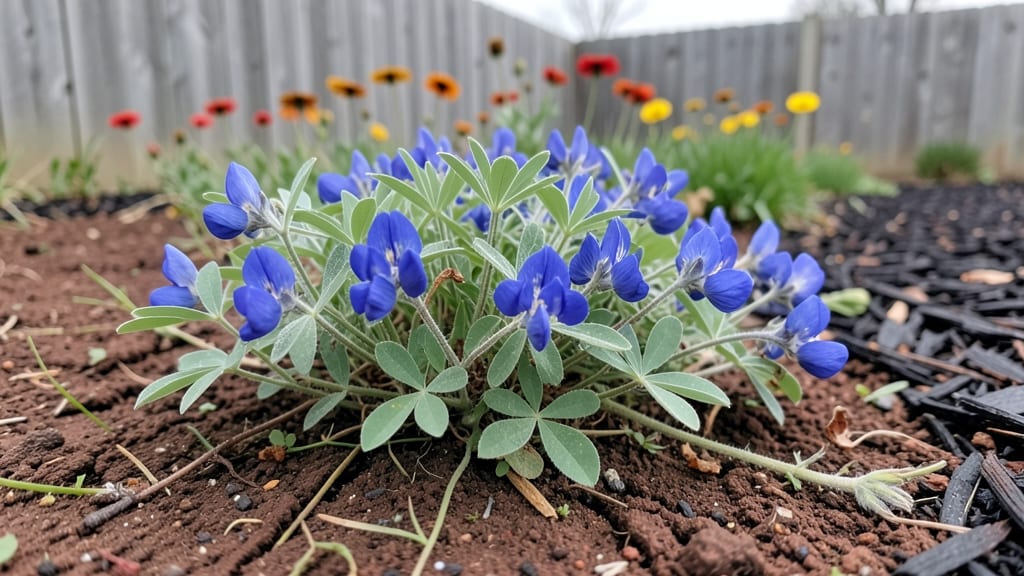
Texas flower gardening isn’t just about surviving the heat—it’s about creating a riot of color that thrives when most gardens would wilt. 🌻 I’ve spent years perfecting sun-loving blooms that handle Texas’s sweltering summers and unpredictable winters, and the results are nothing short of shocking.
These plants don’t just survive; they explode with vibrant blooms from spring through fall, turning your yard into a pollinator paradise.
The secret lies in choosing the right natives and drought-tolerant varieties that love the Texas climate. Think Mexican sunflowers, blackfoot daisies, and salvias—plants that drink deep but rarely need extra water once established. My front yard now bursts with color year-round, and the best part?
It stays lush even during droughts, saving me time and money on water bills. You’ll want to start with just a few of these standout performers to build your dream garden.
Picture this: deep reds, sunny yellows, and soft purples all blooming simultaneously, with bees and butterflies constantly visiting. The fragrance alone—sweet, earthy, and sometimes citrusy—will make your neighbors stop and stare.
These flowers also attract hummingbirds, turning your garden into a living postcard of Texas beauty. The key is layering plants by height and bloom time to ensure something’s always in flower.
Whether you’re working with rocky soil, alkaline conditions, or full sun exposure, these tips will help you create a garden that’s as resilient as it is stunning. Let’s get those blooms growing—your Texas garden deserves to shine!
📚 In This Guide
- What you need
- Instructions
- Tips and common mistakes
- Wrapping up and next steps
What you need
- ● Native Texas flowers: Choose sun-loving varieties like Blackfoot Daisy, Mexican Feather Grass, or Lantana (3–5 plants per section).
- ● Quality potting soil: 1–2 cubic yards for in-ground gardens; 5–10 bags (18–20 lbs each) for containers.
- ● Organic compost: 1–2 bags (40 lbs each) to enrich soil and retain moisture.
- ● Mulch: 1–2 cubic feet of pine straw or shredded bark to suppress weeds and conserve water.
- ● Hand trowel (for small beds) or garden shovel (for larger areas).
- ● Pruning shears (for trimming dead blooms).
- ○ Watering can or hose with a gentle spray nozzle (drip irrigation is optional but ideal for Texas heat!).
- ● Garden gloves (to protect hands from thorns or rough soil).
- ● Measuring tape (for spacing plants 12–18 inches apart).
- ● Slow-release fertilizer (like 10-10-10) for a nutrient boost.
- ● Drought-resistant ground cover (e.g., Horseherb) to reduce watering needs.
- ● Decorative rocks or mulch rings for a polished look.
- ● Bird feeders or butterfly magnets to attract pollinators!
Step-by-Step instructions for designing a Texas-friendly sunflower garden
Here’s how to create a bold, low-maintenance flower garden that blooms reliably in Texas’s intense sun.
🌱 Step 1: Choose Heat-Tolerant Annuals and Perennials
Texas sun demands resilient plants. Start with Lantana (drought-proof and pollinator-magnet), Blackfoot Daisy (native and self-seeding), Mexican Sunflower (tolerates poor soil), and Zinnias (fast-growing and vibrant). Avoid moisture-loving blooms like impatiens—they’ll crisp in 100°F+ heat.
I always mix 3-4 varieties per bed to ensure continuous color. Group plants by water needs: cluster succulents like Portulaca together, while Salvia and Gaillardia can share space. Check each plant’s mature width—18-24 inches apart prevents overcrowding and fungal spread.
☀️ Step 2: Optimize Soil and Sun Exposure
Texas soil is often alkaline and clay-heavy, so amend with 2-3 inches of compost mixed into the top 6 inches. For containers, use a cactus/succulent mix blended with perlite for drainage. Test soil pH—most Texas natives prefer 6.0-7.5; if yours runs higher, add sulfur and retest in 4-6 weeks.
Position beds in full sun (6+ hours daily), but protect delicate foliage (like Mexican Bush Sage) with 30% shade cloth during peak afternoon sun. Mulch with 1-2 inches of gravel or bark to retain moisture and deter weeds—critical in 90°F+ temps.
💧 Step 3: Water Deeply but Infrequently
Deep watering—1-1.5 inches per week—encourages strong root systems. I water in the early morning (6-8 AM) to minimize evaporation and fungal risk. Use drip irrigation or soaker hoses to deliver moisture directly to roots; overhead sprinklers waste water and promote mildew.
Let soil dry between waterings: stick your finger 1-2 inches deep—if it feels dry, it’s time. Overwatering in Texas is just as deadly as underwatering. Container plants may need daily water in 100°F+ heat, but check soil first—containers dry out 3x faster than in-ground beds.
✂️ Step 4: Prune and Deadhead for Continuous Blooms
Deadhead spent blooms weekly to trigger reblooming—especially for Zinnias and Marigolds. Use clean, sharp pruners and cut back to the first set of healthy leaves. For woody perennials like Turk’s Cap, trim leggy growth in early spring to encourage bushier, fuller plants.
Watch for powdery mildew (white dust on leaves) in humid spells. Prune infected foliage immediately and space plants wider if airflow improves. I’ve found that neem oil spray (applied at dusk) prevents 90% of fungal issues without harming pollinators.
🪴 Step 5: Mulch and Fertilize Strategically
Reapply 1-2 inches of mulch annually in late winter to lock in moisture and regulate soil temps. Organic mulches (like cedar chips) also improve soil as they break down. Skip synthetic mulches—they trap too much heat in Texas summers.
Fertilize lightly: most Texas natives thrive with low-nitrogen, high-phosphorus (5-10-10) fertilizer applied in early spring and fall. Over-fertilizing leads to lush foliage but fewer blooms. I top-dress perennials with compost in spring and avoid fertilizing during droughts—plants stressed by heat won’t use nutrients efficiently.
Tips & tricks for perfect Texas flower gardening
Between us, Texas heat can turn even the hardiest garden into a crispy mess if you don't play by the rules. Here's what I've learned after watching my first garden wither in 100°F+ heat.
Heat Tolerance is Non-Negotiable: In Step 1, when selecting your Lantana, Blackfoot Daisy, and Mexican Sunflower, pay special attention to their mature height and spread. The 18-24 inch spacing mentioned isn't just about aesthetics—it's about airflow. Plants too close will develop fungal issues faster in Texas humidity. I've seen Zinnias thrive in 90°F+ when spaced properly, while overcrowded beds turn into mildew factories.
Soil Science Matters More Than You Think: The 2-3 inches of compost in Step 2 isn't just fluff—it's your moisture insurance policy. In alkaline Texas soil, organic matter creates tiny air pockets that hold water while allowing roots to breathe. I always double-check my soil pH before planting; if it's above 7.5, I add sulfur and retest in 4-6 weeks. The 6.0-7.5 range is critical for nutrient uptake in our native plants.
Watering Wisdom Saves Gardens: That 1-1.5 inches per week guideline in Step 3 is your golden rule, but timing matters just as much. I've learned the hard way that watering at dusk leads to fungal problems. The 6-8 AM window gives leaves time to dry completely before the heat peaks. For containers, I've found they need watering every other day in 100°F+ weather—those roots dry out 3x faster than in-ground plants.
Pruning Pays Off Big Time: The weekly deadheading in Step 4 isn't just about looks—it's about extending your blooming season. For Zinnias and Marigolds, I make it a habit to check for spent blooms every 3-4 days during peak heat. And when you see that white dust (powdery mildew), act fast—prune infected leaves immediately and consider adding neem oil spray at dusk. It's prevented 90% of my fungal issues without harming pollinators.
Pro Tips for Texas Flower Gardening
- Between us, Texas heat can turn even the hardiest garden into a crispy mess if you don't play by the rules.
- Heat Tolerance is Non-Negotiable: In Step 1, when selecting your Lantana, Blackfoot Daisy, and Mexican Sunflower, pay special attention to their mature height and spread.
- Soil Science Matters More Than You Think: The 2-3 inches of compost in Step 2 isn't just fluff—it's your moisture insurance policy.
Frequently asked questions
Got questions about growing vibrant flowers in Texas’s scorching sun? You’re not alone! Here are answers to the most common concerns—so you can create a thriving garden with confidence.
What are the best flowers for Texas’s extreme heat and drought?
Opt for native Texas flowers like Blackfoot Daisy, Lantana, and Turk’s Cap—they’re drought-tolerant and thrive in full sun. Zinnias, Marigolds, and Portulaca also handle heat well. Mulch with gravel or wood chips to retain moisture and protect roots.
When is the best time to plant flowers in Texas?
For spring blooms, plant in September–November (fall) to establish roots before summer. Summer flowers (like Sunflowers) can go in March–April, while fall/winter bloomers (e.g., Pansies) should be planted in September–October. Avoid planting in peak summer heat!
How often should I water my Texas flower garden?
Water deeply 2–3 times per week (early morning) for new plants, then 1–2 times weekly once established. Drip irrigation or soaker hoses work best to avoid evaporation. Check soil moisture—if the top inch is dry, it’s time to water!
What pests commonly attack Texas flowers, and how do I prevent them?
Watch for aphids, whiteflies, and spider mites—they love Texas heat! Prevent them with neem oil or insecticidal soap. Encourage beneficial insects like ladybugs by planting dill or marigolds. Remove damaged leaves promptly to stop spread.
Can I grow flowers in containers in Texas, and what soil should I use?
Use large containers (at least 12 inches deep) with well-draining potting mix blended with perlite or sand. Avoid garden soil—it compacts and retains too much moisture. Add slow-release fertilizer at planting time for a nutrient boost.
Wrapping up and next steps
Texas flower gardening is all about embracing the sun, heat, and unique climate to create a vibrant, year-round display of color and life! 🌸 From drought-resistant natives to bold annuals, your garden can flourish with the right choices—just remember to prioritize well-draining soil, smart watering, and seasonal care.
Whether you're a beginner or a seasoned gardener, every bloom you nurture adds beauty and joy to your outdoor space.
Ready to dive in? Start small with a single bed or container, then expand as you gain confidence. Your Texas garden is waiting—grab those gloves and get growing! 🌞