
Picking
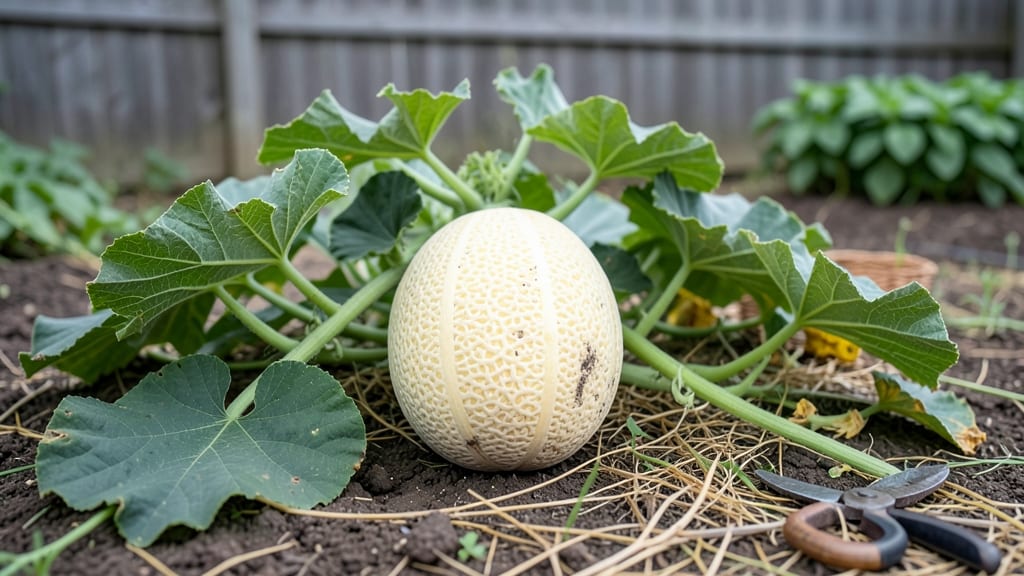
Picking cantaloupe from your garden at the perfect moment means the difference between a sweet, juicy reward and a bland, seedy disappointment.
Cantaloupes are ripe when they smell like heaven—but if you pick them too early or too late, you’ll end up with bland, seedy, or even rotten fruit. Mastering the art of cantaloupe harvesting ensures sweet, juicy rewards straight from your garden.
You might think checking the fruit’s color or size is enough, but the real secret lies in the vine. A slip-and-sniff test—where the stem separates easily and a sweet, musky aroma fills the air—is the foolproof way to know it’s time.
Here’s how to read the signs and avoid common mistakes that ruin your harvest.
From July to August in most regions, including Zone 6a, timing your pick is everything. I’ll walk you through the exact cues to watch for, plus what to do once you’ve got that perfect melon in hand.


How to test cantaloupe ripeness using the vine (not the fruit)
Most gardeners instinctively reach for cantaloupes and give them a sniff—but that’s the worst way to test ripeness. The fruit itself can trick you with misleading scents or textures.
Instead, focus on the vine and blossom end for foolproof results. These subtle cues reveal when your cantaloupe is truly ready to harvest, ensuring sweet, juicy perfection every time.
Why does the vine matter? Cantaloupes ripen from the inside out, and the plant signals readiness through physical changes near the fruit. Ignoring these signs often leads to underripe (hard, bland) or overripe (mushy, seedy) melons. Mastering vine-based testing transforms your harvest from guesswork to guaranteed success.
Step-by-Step Vine Test for Perfect Cantaloupe Ripeness
-
Step 1: Check Vine Separation
Gently twist the stem where it connects to the vine. If it slips free with slight pressure, the melon is ripe. If it resists or snaps off cleanly, wait 1-2 days. -
Step 2: Inspect Blossom-End Color
Look at the end opposite the stem. A ripe cantaloupe will show a cream or tan color (not green). If it’s still greenish, it needs more time. -
Step 3: Test for Scent
Sniff the vine near the fruit, not the melon itself. A sweet, musky aroma means ripeness. No smell? Wait another day. -
Step 4: Verify Rind Texture
Press your thumb lightly on the rind. It should feel slightly spongy (not hard or mushy). A ripe melon won’t dent easily. -
Step 5: Confirm Size & Shape
Ripe cantaloupes typically measure 6-12 inches in diameter. If it’s smaller, it’s not ready—even if other signs match.
Here’s why these vine cues work better than fruit-based tests: cantaloupes continue ripening after picking, but the vine’s changes happen before the fruit reaches peak sweetness. For example, a melon might smell ripe on the vine but still taste bland if harvested too early.
By focusing on the stem separation and blossom-end color, you’re reading the plant’s internal clock.
Regional variations can affect ripening speed. In hot climates (like Zone 9+), cantaloupes may ripen faster—sometimes in as few as 60 days. In cooler areas (Zone 5-6), they often need 90+ days.
Always adjust your timing based on local weather patterns. A heatwave? Check melons daily. A cool snap? Extend the wait by 2-3 days.
What if your cantaloupe passes the vine test but still feels hard when you cut it open? Don’t panic—this often happens with overripe melons that’ve been left too long on the vine.
The solution? Store it at room temperature for 1-2 days to let residual sugars develop. For underripe fruit, place it in a paper bag with a banana (the ethylene gas speeds ripening).
Visual cues are your best friends when harvesting cantaloupes. Train your eyes to spot these 3 key signs:
- Brown stem that separates easily
- Creamy blossom end (no green)
- Sweet vine scent near the fruit
Master these, and you’ll never waste another cantaloupe again.
Remember: cantaloupes won’t ripen further once picked, so timing is everything. If you’re unsure, err on the side of waiting. A perfectly ripe cantaloupe should yield slightly to gentle pressure, smell intoxicatingly sweet, and have a net-like pattern on the rind that’s easy to see.
Now grab your pruners and head to the garden—your sweetest harvest is just steps away!
🌱
Common mistakes that cause overripe or underripe cantaloupes
Picking cantaloupes too early gives you bitter, seedy fruit that lacks sweetness. Meanwhile, overripe cantaloupes turn mushy, fermented, and lose their vibrant flavor. The key is understanding how environmental factors like heat and humidity speed up or slow down ripening.
Many gardeners make the mistake of relying solely on fruit color, which can be misleading.
High temperatures above 90°F (32°C) accelerate ripening, while excessive humidity can cause rot before full maturity. Even experienced growers sometimes misjudge the optimal harvest window—often just 3-5 days between perfect ripeness and overripeness. Learning these warning signs can save your harvest from going to waste.
Don’t rely on just one cue—combine these 3 key indicators for perfect ripeness:
- Vine separation: The stem slips easily from the vine when gently twisted (should release with slight pressure).
- Blossom-end color: The bottom changes to cream or tan (never stay green).
- Sweet aroma: The fruit emits a strong, musky scent near the stem (like a mix of honey and cucumber).
❌ Avoid: Picking based on size alone—overripe cantaloupes may be large but squishy and seedy.
One of the biggest mistakes is harvesting by color alone. A cantaloupe’s rind might look ripe but still taste starchy and underdeveloped inside. The blossom end (the side that faced the ground) should turn from green to cream or tan, while the stem end remains slightly green.
If you see yellow-brown spots near the stem, that’s a sign it’s nearing peak ripeness.
Environmental stress also plays a huge role. Drought conditions can cause cantaloupes to ripen unevenly, leading to hard, dry flesh even if the rind looks right.
On the flip side, excessive rain or high humidity speeds up decay, turning perfectly good fruit into a mushy mess in just 24-48 hours. Always check the vine’s health—wilting or yellowing leaves signal the plant is struggling to support the fruit.
Another common error is waiting too long after the cantaloupe detaches from the vine. Once picked, cantaloupes don’t ripen further—they only overripen and spoil. If you’re unsure, do the thumb test: Press your thumb into the rind.
It should feel slightly spongy (not hard or mushy). A hollow sound when tapped is another green flag for ripeness.
To avoid these pitfalls, I recommend harvesting in the early morning when temperatures are cooler. Use a sharp knife or pruners to cut the stem, leaving a 1-inch stem attachment on the fruit. This helps preserve moisture and slows spoilage.
Store harvested cantaloupes in a cool, dry place (50–55°F or 10–13°C) for up to 7 days—but eat them as soon as possible for the best flavor.
Remember, cantaloupes are 90% water, so their texture changes rapidly. If you miss the window, don’t despair—underripe cantaloupes can sometimes be revived by placing them in a paper bag with a ripe banana for 1-2 days to release ethylene gas.
But for the sweetest, most flavorful cantaloupes, timing is everything.