
Pruning
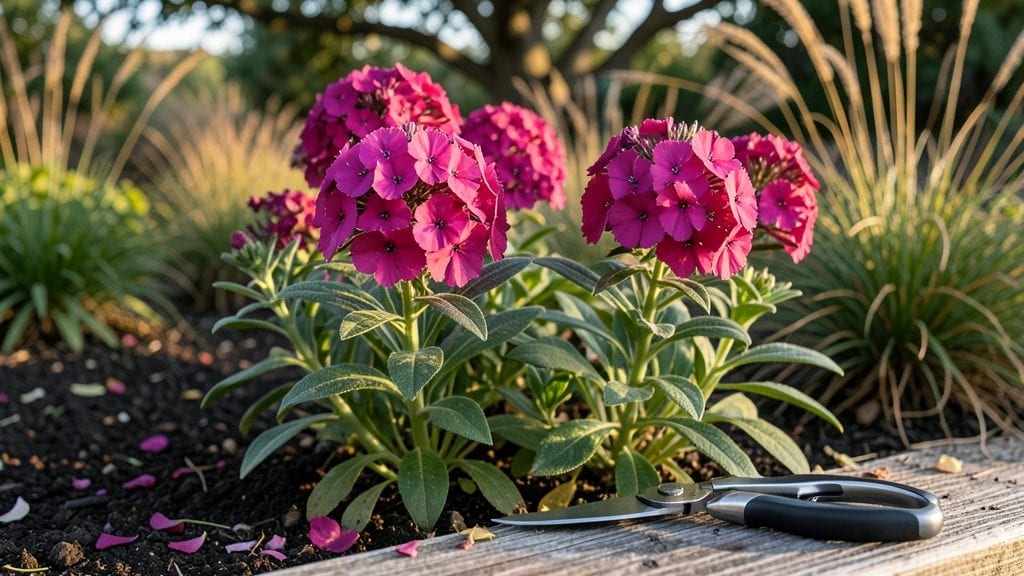
Cutting back garden phlox at the right time ensures vibrant blooms next year—and doing it wrong can leave you with scraggly stems or winter damage.
If you’ve ever wondered why your garden phlox 🌸 blooms look sparse or weak, timing your cutbacks could be the missing link—do it too early, and you risk winter damage; too late, and you sacrifice next year’s vibrant display.
For Zone 6a gardeners, the best window is late fall after the first frost or early spring before new shoots emerge. This timing balances winter protection with fresh growth, so you don’t accidentally prune away next year’s buds.
Below, I’ll walk you through the exact steps, tools, and what to do with those cuttings to set your phlox up for a showstopping spring display.
Best time of year to prune garden phlox for healthy growth
Timing your garden phlox pruning is crucial for healthy growth and vibrant blooms next season. Unlike some perennials, phlox thrives when cut back at specific times to avoid disease risks and winter damage.
The two best windows are late fall (after frost) or early spring (before new growth). Each approach offers unique benefits depending on your climate zone and garden conditions.
If you live in USDA zones 3-5, where winters are harsh, late fall pruning helps protect the plant’s root system from freezing. In milder zones 6-9, early spring pruning gives phlox time to establish new growth before summer heat.
The key is understanding how your local frost dates and soil temperatures influence dormancy and regrowth.
| Season | Best Time to Prune | Climate Zones | Why This Timing? |
|---|---|---|---|
| Late Fall | After first frost, before ground freezes | Zones 3-5 | Reduces winter disease risk; protects roots |
| Early Spring | 4-6 weeks before last frost | Zones 6-9 | Encourages early growth; avoids frost damage |
| Avoid Pruning | Mid-summer or during bloom | All zones | Removes next year’s flower buds; stresses plant |
Pruning in late fall (after the first frost but before the ground freezes) is ideal for gardeners in cold climates. This timing allows the plant to enter dormancy with a clean slate, reducing the risk of fungal diseases like powdery mildew, which thrive in damp, unpruned foliage.
Cutting back stems to 4-6 inches above the ground removes hiding spots for pests and improves air circulation.
For those in warmer climates, early spring pruning (around March or April, depending on your last frost date) gives phlox time to develop new growth before summer heat sets in. This approach also allows you to assess any winter damage and remove dead stems before they spread disease.
If you’re unsure about your frost dates, check your local USDA zone map or use a frost calendar for precise timing.
Never prune phlox during mid-summer or while it’s actively blooming. This is when the plant is forming next year’s flower buds, and cutting back too late can reduce next season’s blooms by up to 50%.
If you notice dead or diseased stems during the growing season, remove them immediately, but avoid heavy pruning until the appropriate time.
Another critical factor is soil health. Pruning stimulates root growth, so ensure your soil is well-draining and rich in organic matter. After cutting back, apply a 2-inch layer of mulch to retain moisture and suppress weeds.
In dry climates, water deeply after pruning to help the plant recover. For humid regions, avoid overhead watering to prevent fungal issues.
If you’re unsure whether to prune in fall or spring, consider your garden’s microclimate. A sheltered spot with partial shade may stay warmer in winter, making early spring pruning safer. Conversely, an exposed area with harsh winds benefits from late fall pruning to protect tender new growth.
Observe your phlox’s behavior over a few seasons to determine what works best for your specific conditions.
One common mistake is pruning too aggressively, which can leave the plant vulnerable to cold snaps or summer heat stress. Aim to cut back to healthy basal leaves—these are the green, non-woody leaves at the plant’s base.
Avoid cutting into old, woody stems, as this can harm the plant’s ability to regenerate. With the right timing and technique, your garden phlox will reward you with lush foliage and prolonged blooms for years to come.
Finally, keep an eye out for new growth signs in early spring. If you see pale green shoots emerging, it’s time to hold off on pruning. These shoots indicate that the plant is already preparing for the growing season, and cutting them back could set your progress back by weeks.
Patience and observation are key to mastering the art of pruning garden phlox.
Step-by-step guide: how to cut back phlox properly in fall or spring
Cutting back your garden phlox at the right time ensures vibrant blooms next season while protecting the plant from winter damage or disease. Whether you prefer to prune in late fall or early spring, the method is similar—but timing matters.
I’ll walk you through the exact steps, including tool recommendations, height guidelines, and what to do with your cuttings to maximize growth.
Before you grab your pruners, know that garden phlox should never be cut back to the ground—this can harm the crown and reduce next year’s flowering potential.
Instead, aim to trim back dead foliage while leaving healthy stems intact. Let’s dive into the step-by-step process to keep your phlox thriving.
How to Cut Back Garden Phlox
-
Step 1: Choose the Right Time
- Late Fall: After first frost (October-November) when foliage is brown and dormant.
- Early Spring: Just before new growth emerges (March-April), avoiding late frost risks.
-
Step 2: Gather Your Tools
- Bypass pruners for clean cuts on thick stems.
- Garden shears for finer foliage trimming.
- Gloves to protect hands from sharp stems.
- Disposable bag for disease-free disposal.
-
Step 3: Trim Dead and Diseased Foliage
- Remove brown, wilted, or moldy leaves first—they can harbor fungal spores.
- Cut back old flower stalks to 2-3 inches above the crown.
-
Step 4: Shape the Plant
- Reduce overgrown stems by one-third to encourage new growth.
- Leave healthy stems at 6-12 inches tall for spring regrowth.
-
Step 5: Dispose of Cuttings Properly
- Compost healthy trimmings if no disease signs are present.
- Bag and discard diseased or moldy foliage in trash, not compost.
-
Step 6: Mulch and Water
- Add 2-3 inches of mulch around the base to insulate roots.
- Water deeply if soil is dry to help root establishment.
After pruning, your garden phlox will reward you with fuller blooms next season if you follow these steps. The key is to avoid cutting too aggressively—never trim below the crown—and to remove diseased material immediately to prevent spread.
If you’re in a warmer climate, you can prune lightly in late winter instead of waiting for spring.
Pro tip: If your phlox looks overgrown in spring, don’t panic—simply trim back one-third of the old growth to make room for new shoots. This encourages denser foliage and more flowers by summer. With the right technique, your phlox will thrive for years to come!
🌸