
Tools
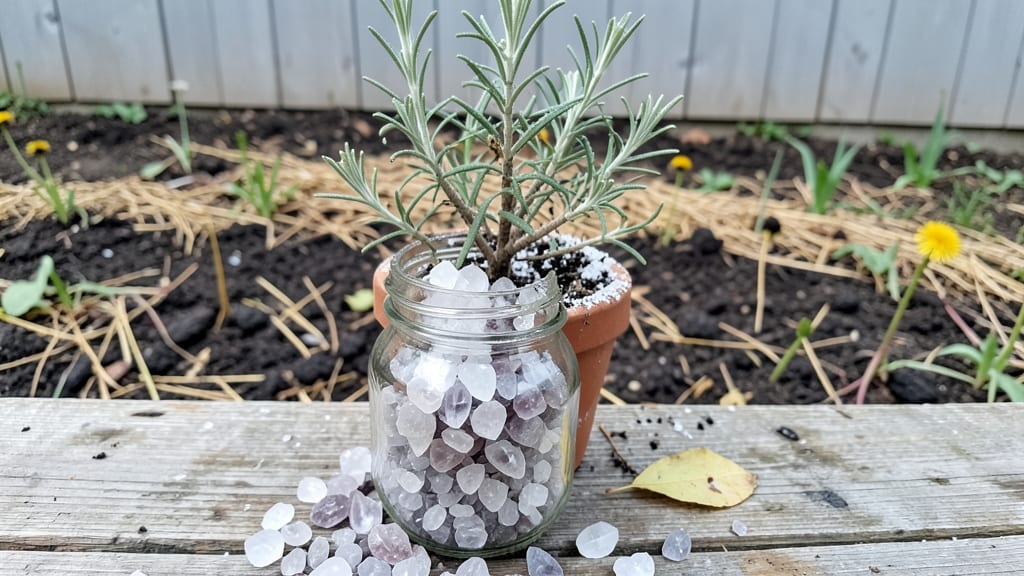
Using salt in your garden as a pest deterrent can work—but only if you know exactly how much to use and where.
I’ve tested this trick in my own yard, and while it keeps slugs and rabbits away, too much salt can turn your soil into a wasteland faster than you’d think. The key is precision: a light sprinkle around perimeter edges, never on plant roots or beds.
Salt works by dehydrating pests, but it also draws moisture from your plants’ roots, causing crispy brown edges on leaves or stunted growth. You’ll spot the damage early—wilting that doesn’t improve with watering, or leaves turning yellow along the veins.
The good news? It’s reversible with a little effort: flush the soil with 3-4 gallons of water per square foot, then amend with 2 inches of compost to restore balance.
For coastal gardens or areas with naturally salty soil, the solution is even simpler: grow salt-tolerant plants like rosemary, lavender, or Russian sage. They thrive where most would wither, and their strong scent doubles as a natural pest repellent.
Even in high-salinity zones, these plants stay lush while keeping critters at bay without the risk of soil damage.
Here’s the real secret—salt isn’t a cure-all. Use it sparingly, monitor your plants closely, and always have a backup plan. A 1-foot-wide barrier of diatomaceous earth works just as well for slugs, without the long-term soil consequences. Prevention beats cleanup every time.
📚 In This Guide
- What you need
- Instructions
- Tips and common mistakes
- Wrapping up and next steps
What you need
- ● Coarse sea salt or kosher salt – 2–3 lbs (about 1 kg). Avoid iodized table salt (it can harm plants). Opt for non-tracking, food-grade salt for safety.
- ● Spray bottle (8–16 oz) – For mixing saltwater solutions. A fine-mist sprayer works best for targeted applications.
- ○ Gloves (optional but recommended) – Nitrile or rubber gloves to protect your hands from irritation (salt can be drying!).
- ● Water – 1 gallon (3.8 L) for mixing saltwater (adjust ratio based on pest severity).
- ● Measuring cup or scale – To ensure precise salt-to-water ratios (e.g., 1 cup salt per gallon of water for strong solutions).
- ● Handheld sprayer or pump sprayer – For larger garden areas (e.g., 1–2 gallon capacity).
- ● Garden hose with spray nozzle – For quick, large-area applications (adjust to a fine mist).
- ● Markers or flags – To label treated areas and avoid over-application near desirable plants.
- ● Fine-mesh strainer – If using saltwater to soak tools or containers (prevents clogging).
- ○ Epsom salt (optional) – 1–2 cups mixed with saltwater for added plant protection against pests like aphids.
Step-by-Step guide to using salt as a humane pest deterrent
Here's how to create a natural barrier that keeps unwanted critters away without risking your plants.
Choose the Right Type of Salt
For this method, you'll want coarse kosher salt or rock salt—avoid table salt or iodized varieties, as they can contain additives that may harm plants. The larger granules create a more effective barrier while still dissolving slowly when exposed to moisture. I like to use 1 pound of salt for a 10-foot perimeter, as this provides enough coverage without overdoing it.
Spread the salt in a 2-inch wide band along garden edges, pathways, or near vulnerable plants. Focus on areas where pests like slugs, ants, or rodents tend to enter. If you're treating a raised bed, apply salt along the outer edge where the soil meets the bed frame. This creates a physical and chemical barrier that deters pests without harming the plants themselves.
Apply Salt in Strategic Locations
Focus on high-risk zones first, such as the base of tomato plants, lettuce beds, or near hostas—common targets for slugs and snails. For larger areas, like vegetable gardens or flower beds, create a continuous salt line without gaps. If you're protecting individual plants, place a small mound of salt around the base, about 3 inches from the stem. This keeps pests out while leaving enough space for roots to spread.
Reapply salt after heavy rain or watering, as it dissolves and loses effectiveness when wet. I like to check my salt barriers every 3-5 days during rainy seasons to maintain their deterrent power. Avoid applying salt directly to soil where plants are growing—it can alter soil chemistry and harm beneficial microbes over time.
Monitor and Maintain the Barrier
After applying salt, keep an eye on the treated areas for 3-5 days to assess its effectiveness. If pests still linger, you may need to increase the salt concentration slightly or expand the barrier. For example, if slugs are still sneaking through, widen the salt line to 3 inches or add a second layer in problem spots.
Salt works best as a preventative measure, so plan to reapply it seasonally or after major rainfall. In drought-prone areas, you might only need to refresh the barrier once a month, while wetter climates may require weekly checks. Always keep salt away from plant foliage—direct contact can cause leaf burn, especially in sensitive varieties like basil or spinach.
Combine with Other Humane Deterrents for Best Results
For a stronger defense, pair salt with diatomaceous earth or crushed eggshells in alternating bands. This layered approach confuses pests and makes it harder for them to bypass your barriers. I like to use diatomaceous earth inside the salt line for extra protection against crawling insects like ants and earwigs.
If slugs are your main issue, consider adding copper tape along raised bed edges—it creates a mild electric shock when they touch it, further deterring their movement. Salt alone can work wonders, but combining it with these natural methods ensures a multi-layered pest control system that’s both humane and effective.
Tips & tricks for effective salt pest deterrent
Here's what I've learned after testing this method in my own garden—these small details make all the difference between a good barrier and a truly effective one.
Salt Selection Matters: While both coarse kosher salt and rock salt work well, I've found that rock salt creates a slightly more visible barrier that pests avoid more consistently. The larger granules also dissolve more slowly, extending the protection period between applications. If you're using kosher salt, look for the largest grain size available—it works best for this purpose.
Application Precision: When creating that 2-inch wide band in Step 1, use a straight edge like a ruler or trowel to keep the line uniform. Inconsistent widths create gaps where pests can sneak through. For raised beds, I like to create a slightly thicker barrier (about 2.5 inches) since these areas often attract more pests. The key is consistency—pests will find and exploit any weak spots in your line.
Monitoring Strategy: The 3-5 day monitoring window in Step 3 is crucial, but I've learned to look for specific signs of effectiveness. If you see slug trails leading up to the salt line but stopping abruptly, your barrier is working. If pests are still crossing, widen the band by 0.5 inches or add a second layer. I also recommend checking at different times of day—some pests are more active at night when the salt line might appear less effective.
Seasonal Adjustments: Don't let the seasonal reapplication guidance fool you—timing matters more than frequency. In my experience, applying salt just before predicted rainfall creates the most effective barrier. The moisture helps activate the salt's deterrent properties while the rain helps distribute it evenly. For winter applications, I find that a slightly thicker layer (2.5 inches) works better as pests become more desperate for food sources.
Pro Tips for Salt For Garden
- Here's what I've learned after testing this method in my own garden—these small details make all the difference between a good barrier and a truly effective one.
- Salt Selection Matters: While both coarse kosher salt and rock salt work well, I've found that rock salt creates a slightly more visible barrier that pests avoid more consistently.
- Application Precision: When creating that 2-inch wide band in Step 1, use a straight edge like a ruler or trowel to keep the line uniform.
Frequently asked questions
How much salt should I use for pest control in my garden?
Start with a light application—about 1–2 tablespoons of coarse salt per square foot—to avoid over-salting the soil. Reapply as needed, but avoid heavy doses, which can harm plants and soil health. For stubborn pests, sprinkle along ant trails or near problem areas like tomato plants.
When is the best time to apply salt to deter pests?
Apply salt early in the morning or late afternoon to minimize evaporation and maximize effectiveness. Avoid applying after rain or heavy watering, as it can wash away before pests encounter it. Consistency is key—reapply every few days if pests persist.
Will salt hurt my plants or soil long-term?
While salt is non-toxic to most plants in small doses, overuse can damage roots and soil microbes. Stick to coarse, non-iodized salt and target pests directly. If you’re concerned, test a small patch first or use alternatives like diatomaceous earth for sensitive plants.
Does salt work on all garden pests, or just ants?
Salt is most effective against soft-bodied pests like slugs, snails, and ants. For hard-shelled insects (e.g., beetles or grubs), try neem oil or insecticidal soap instead. Salt disrupts their exoskeletons or dehydrates them—ideal for crawling critters but not flying or burrowing pests.
What’s a good alternative if I don’t want to use salt?
Try these humane, plant-safe alternatives:
- Diatomaceous earth (food-grade only)—dehydrates pests without chemicals.
- Coffee grounds—repels ants and slugs while enriching soil.
- Citrus peels or vinegar—disrupts scent trails for ants.
- Beer traps—lures slugs and snails away from plants.
What should I do if salt doesn’t work after a few days?
If pests ignore the salt, check for these issues:
- Was it coarse salt? Fine salt dissolves too quickly.
- Did you apply it directly to pest paths?
- Is the area dry? Salt needs contact to work—reapply after rain.
For stubborn problems, combine salt with other methods (e.g., barriers like copper tape for slugs) or switch to a targeted pesticide.
Wrapping up and next steps
Using salt for garden pest control is a budget-friendly, eco-conscious way to keep unwanted critters at bay—without risking your plants! Whether you’re dealing with slugs, ants, or rabbits, this method is simple, effective, and humane.
Just remember to use it sparingly and test it in small areas first to avoid any unintended effects.
Ready to give it a try? Grab your salt, follow the steps, and watch your garden thrive—naturally! 🌱✨ Next, explore more organic pest solutions or share your success with fellow gardeners!