
Pests
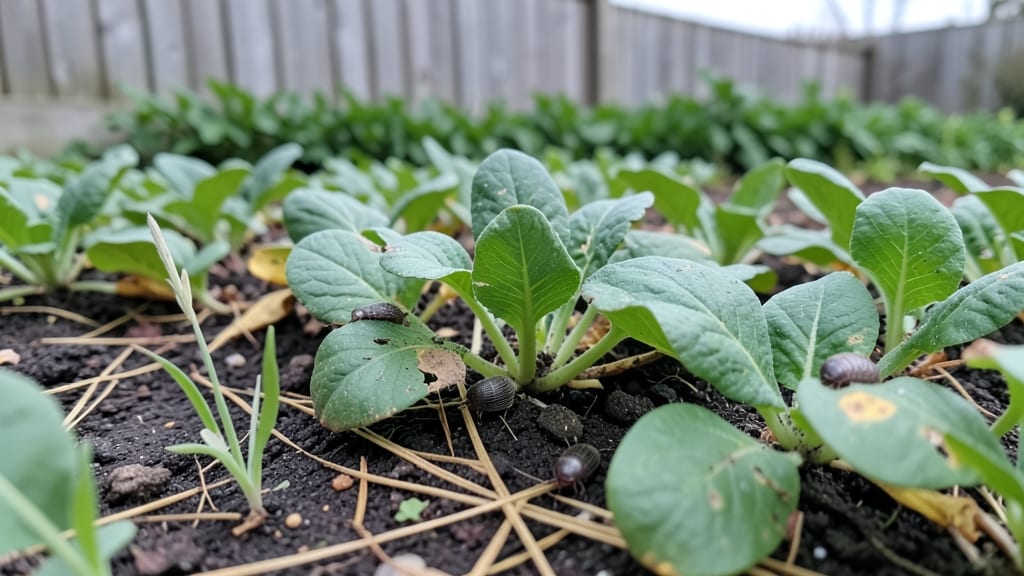
Rollie pollies might look like pests, but they’re actually harmless garden helpers—until they take over your mulch pile or crawl into your house. 🌱 I’ve learned the hard way that shoveling them out by hand just scatters the problem, so here’s how to manage them without harming your soil or plants.
The real issue isn’t the rollie pollies themselves—it’s the damp, shaded conditions they love. Too much organic debris, poor drainage, or overwatering turns your garden into their all-you-can-eat buffet.
The good news? A few simple tweaks—like reducing mulch thickness, improving airflow, or adding a copper barrier—can make your space less inviting without chemicals.
You’ll end up with a garden that keeps these little armor-clad critters in check while still supporting beneficial insects. The key is balance: dry out their favorite spots, but don’t sacrifice moisture-loving plants like hostas or ferns.
Think of it as a game of ecological chess, where every move protects your garden’s health.
Works for backyard gardens, raised beds, or even container setups—just adjust the approach based on your space. Let’s get those rollie pollies under control the right way.
Why Your Garden Becomes A Rollie Pollie Hotspot
Rollie pollies—those tiny, armored pill bugs—may seem like harmless garden guests, but their sudden appearance in large numbers can leave gardeners scratching their heads. 🌱🐌 Understanding the why behind their invasion is the first step to managing them without harming your plants or soil.
Let’s break down the science and triggers behind these crustacean visitors.
Rollie pollies (also called pill bugs or woodlice) thrive in damp environments. Their exoskeletons are sensitive to dehydration, so they seek out shaded, moist areas where humidity stays high. Here’s why your garden becomes their paradise:
- Overwatering or Poor Drainage 💦 If your garden retains excess water—whether from heavy rainfall, overzealous watering, or compacted soil—rollie pollies will flock to these soggy spots. They prefer mulch, leaf litter, and decaying organic matter where moisture lingers.
- Shady, Low-Lying Areas 🌿 Gardens with dense foliage, thick mulch layers, or shaded corners create microclimates that stay humid long after the sun goes down. Rollie pollies avoid direct sunlight, so these spots become their hideouts.
- Decaying Plant Matter 🍂 Compost piles, rotting logs, and fallen leaves provide both shelter and food. Pill bugs feed on decomposing organic material, so the more debris in your garden, the more appealing it becomes to them.
Actionable Fix: ✅ Improve drainage by amending soil with perlite or sand. ✅ Reduce mulch thickness in problem areas (2–3 inches is ideal). ✅ Remove decaying plant debris regularly to eliminate their food source.
Rollie pollies are detritivores, meaning they feast on dead plant material. If your garden is a buffet of fallen leaves, grass clippings, and compost, they’ll move in en masse. Here’s why:
- Compost Heaps Act Like Magnets 🧲 A well-maintained compost pile is great for soil health, but an unmanaged one becomes a rollie pollie hotel. Too much moisture, warmth, and organic waste create the perfect breeding ground.
- Leaf Litter and Grass Clippings 🍃 Thick layers of organic matter trap moisture and provide hiding spots. Pill bugs burrow into these layers to avoid predators and dry conditions.
- Wood and Bark Mulch 🪵 Coarse mulches like wood chips break down slowly, creating a damp, dark environment that rollie pollies adore. While this mulch is great for soil, it can also invite unwanted guests.
Actionable Fix: ✅ Turn compost piles regularly to reduce moisture and heat buildup. ✅ Rake up excess leaf litter and grass clippings to limit hiding spots. ✅ Opt for finer mulches (like shredded bark) that dry out faster.
In a balanced ecosystem, rollie pollies are kept in check by predators like birds, frogs, toads, and even some insects. But if these natural controls are absent—due to pesticide use, habitat loss, or urbanization—the pill bug population can explode.
- Pesticide Overuse Disrupts the Food Chain 🚫💊 Chemicals that kill "pests" often harm beneficial predators first, leaving rollie pollies with fewer enemies. This creates an imbalance where their numbers spiral out of control.
- Lack of Bird and Amphibian Activity 🐦🐸 Gardens with few birds, frogs, or toads provide rollie pollies with a safe haven. These creatures typically hunt them, but if they’re not around, pill bugs reproduce unchecked.
- Urban and Suburban Gardens Lack Biodiversity 🏡 Monoculture landscapes (like lawns with no plants or mulch) offer rollie pollies fewer predators and more shelter. Diversity in plant life attracts more wildlife, which naturally regulates their population.
Actionable Fix: ✅ Avoid broad-spectrum pesticides—opt for targeted solutions instead. ✅ Create predator-friendly habitats with birdhouses, frog ponds, or native plants. ✅ Encourage biodiversity by planting a variety of flowers, shrubs, and ground covers.
Sometimes, well-meaning gardening practices directly encourage rollie pollies to move in. For example:
- Excessive Watering 💦🌱 Overwatering keeps soil perpetually damp, making it irresistible to moisture-loving pill bugs. Even drip irrigation can create localized wet spots that attract them.
- Using Too Much Mulch 🪴 While mulch is essential for moisture retention and weed suppression, thick layers (over 4 inches) create a damp, dark environment that rollie pollies love. It’s like rolling out the red carpet for them.
- Storing Firewood or Wood Near the Garden 🪵 Rollie pollies often hide in stacks of firewood, bark, or untreated wood. If you store these materials near your garden, you’re basically handing them a free ticket inside.
Actionable Fix: ✅ Water deeply but less frequently to allow soil to dry slightly between sessions. ✅ Keep mulch at 2–3 inches and avoid piling it against plant stems. ✅ Store firewood and wood chips away from garden beds (at least 10+ feet).
Rollie pollies are most active during spring and fall when conditions are ideal—cool temperatures and high humidity. But they also move in response to:
- After Heavy Rainfall 🌧️ When the ground becomes saturated, pill bugs surface to avoid drowning. They’ll scatter across your garden in search of drier ground, often ending up in potted plants or mulch.
- During Dry Spells ☀️ Paradoxically, they may also move when the soil dries out. They seek out moister areas, which could be your garden beds, compost, or even indoor spaces if they’re desperate.
- When Nighttime Temperatures Drop 🌙 Pill bugs are nocturnal and become more active on cooler evenings. If your garden stays humid at night, they’ll stay put—but if it dries out, they’ll migrate to safer, damper spots.
Actionable Fix: ✅ Improve soil aeration to help it dry out faster after rain. ✅ Use soaker hoses for watering to reduce surface moisture. ✅ Mulch with coarse materials (like pine straw) that allow better airflow.
Humane Ways to Manage Garden Pill Bugs
If you’ve spotted rollie pollies (also called pill bugs or woodlice) scurrying across your garden, don’t panic—these harmless critters are actually beneficial! However, if their presence feels overwhelming or they’re damaging plants, here’s how to address the issue without harming them, your soil, or your garden’s health.
1. Relocate Them (Best for Heavy Infestations)
If pill bugs are overrunning your garden, gently relocate them to a more suitable habitat where they won’t be seen as pests.
These creatures thrive in moist, shaded areas with leaf litter or mulch, so they’re often drawn to gardens by excess moisture or organic debris.
✅ How to Do It: - 🍳 Set Up a Temporary Home – Place a shallow container (like a plastic tub or old baking dish) filled with damp leaves, soil, and a few rocks in the affected area.
Leave it overnight. - 👨🍳 Collect & Release – The next morning, carefully scoop up the pill bugs (they’ll cluster inside) and release them under logs, mulch piles, or in a wooded area where they can thrive naturally. - 🌱 Prevent Return – Avoid over-mulching or leaving damp debris where they’ll nest again.
💡 Pro Tip: Do this on a cool, cloudy day—pill bugs are less active in bright sunlight, making them easier to catch!
2. Reduce Moisture & Organic Debris (Prevent Future Buildup)
Pill bugs love damp, decaying plant matter, so cutting down on their favorite hiding spots is key.
✅ How to Do It: - ⏰ Improve Drainage – If your garden stays soggy, amend soil with compost or sand to help water drain faster. - 🔪 Trim Back Dense Mulch – While mulch is great for plants, too much (especially thick layers) traps moisture.
Keep it 2-3 inches deep and avoid piling it against plant stems. - 🌡️ Avoid Overwatering – Water deeply but less frequently to prevent soil from staying perpetually damp.
💡 Pro Tip: If you have wooden structures (like raised beds or fences), pill bugs may nest in rotting wood. Replace or treat wood with a natural sealant to deter them.
3. Use Natural Deterrents (Non-Toxic Barriers)
If you want to discourage pill bugs without killing them, try these safe, plant-based repellents:
| Method | How to Use | Why It Works |
|---|---|---|
| Diatomaceous Earth (Food-Grade) | Lightly dust around plant bases and garden edges. Avoid overapplying—it’s harmless but can dry out soil. | Cuts their exoskeletons slightly, making them seek drier areas. |
| Coffee Grounds | Sprinkle used grounds around garden perimeters or mix into soil. | Pill bugs dislike the acidity and caffeine. |
| Crushed Eggshells | Crush and scatter near entry points (like under pots or along fences). | The sharp edges deter them without harm. |
| Citrus or Vinegar Spray | Mix 1 tbsp citrus oil or vinegar per gallon of water, spray lightly on soil (avoid plants). | Strong scent repels them temporarily. |
💡 Pro Tip: Reapply every few days after rain, as these deterrents wash away.
4. Encourage Natural Predators (Let Nature Balance It Out)
Instead of fighting pill bugs, support their predators—many of which also benefit your garden!
🐞 Beneficial Creatures to Attract:
- Birds (like robins and sparrows) – They snack on pill bugs.
- Ground Beetles – These speedy predators love munching on small pests.
- Frogs & Toads – Add a small water feature to invite them in.
- Chickens or Ducks – If you have poultry, they’ll happily eat pill bugs (and weeds!).
💡 Pro Tip: Leave some leaf litter and rocks in shady spots—they provide hiding places for these helpful allies.
5. Adjust Plant Choices (Avoid Pill Bug Magnets)
Some plants attract more pill bugs than others. If you’re dealing with a persistent problem, consider swapping out moisture-loving or decay-prone plants for drier, tougher varieties.
🌿 Plants That Draw Pill Bugs:
- Hostas
- Ferns
- Delicate annuals (like impatiens)
- Overly mulched perennials
🌿 Pill Bug-Resistant Alternatives:
- Succulents (like sedum or sempervivum)
- Lavender
- Ornamental grasses (like fountain grass)
- Drought-tolerant perennials (like sedum or yarrow)
The best way to minimize pill bug problems is to maintain a balanced, thriving garden where they don’t feel the need to overstay their welcome.
🔹 Keep soil aerated – Pill bugs hate dry, well-draining soil. 🔹 Rotate crops – If you have a veggie garden, avoid planting the same moisture-loving crops in succession. 🔹 Use raised beds – Elevating soil improves drainage and reduces nesting spots. 🔹 Inspect new plants – Before adding new greenery, check for hidden pill bug colonies.
Remember: Pill bugs are not harmful—they decompose organic matter and aerate soil. Only intervene if they’re overwhelming your garden or damaging young plants. With these humane, eco-friendly methods, you can keep your garden pest-free without the guilt!
Frequently asked questions
Are rollie pollies actually harmful to my garden?
Not at all! These little critters are actually beneficial—they help break down decaying plant matter and improve soil health. The only time they become a nuisance is when their numbers explode due to damp conditions, making them seem overwhelming rather than harmful.
Why do rollie pollies always seem to appear after rain?
Pill bugs are moisture-lovers, so they surface after rain to avoid drowning in saturated soil. They’ll scatter across your garden looking for drier spots, which is why you might see them crawling everywhere. The solution? Improve drainage in problem areas to help soil dry faster.
Will diatomaceous earth kill my plants if I use it to deter rollie pollies?
No, when used correctly, food-grade diatomaceous earth is safe for plants. Just apply it lightly around garden edges and avoid over-sprinkling—it can dry out soil if used excessively. The key is to reapply after rain since it loses effectiveness when wet.
Can I use coffee grounds to repel rollie pollies in my vegetable garden?
Coffee grounds work great as a natural deterrent because pill bugs dislike their acidity. Just sprinkle used grounds around plant bases or mix them into soil. They’ll also add nitrogen to your soil—it’s a two-for-one solution!
How do I keep rollie pollies from moving into my house?
Seal any cracks in your foundation or doorways, and keep basements/damp areas dry. If they’re already inside, relocate them outside using a damp towel—place it near their hiding spots overnight, then release them in a shady garden area. The goal is to remove their moisture sources indoors.