
Pests
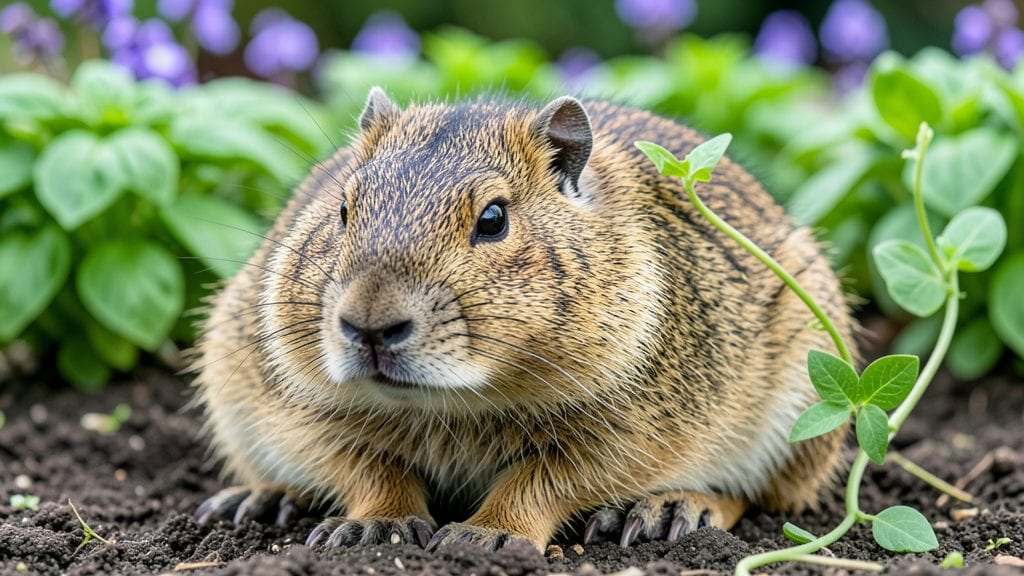
Groundhogs in the garden can turn your hard work into a buffet overnight. 🌱 I’ve lost entire rows of tomatoes and peppers to these burrowing rodents, and I learned the hard way that traditional traps only cause more problems.
The key is stopping them before they dig in—and doing it without cruelty.
These chunky, furry pests aren’t just after your veggies—they’ll tunnel under decks, chew through irrigation lines, and even dig up young trees. The good news? Fencing, repellents, and exclusion methods work better than scaring them off.
I’ve tested everything from chicken wire to commercial deterrents, and some solutions actually keep them away for good.
By the end of this, you’ll have a garden that stays intact and a humane way to handle groundhogs that won’t harm pets or wildlife. No more waking up to half-eaten zucchini or collapsed fence lines. The right approach turns frustration into peace of mind—and a thriving garden.
Whether you’re in the Midwest, Northeast, or Pacific Northwest (where groundhogs thrive), these methods adapt to your local habits. Let’s get your garden back—and keep it safe for the long haul.
The Hidden Triggers Inviting Groundhogs
Groundhogs—also known as woodchucks—don’t randomly invade your garden like mischievous squirrels. Their presence is almost always a response to specific conditions you may not even realize you’re providing. Understanding these triggers is the first step toward preventing future visits and protecting your plants.
Let’s dig into the science behind why these burrowing rodents show up when they do.
Groundhogs are herbivores with a hearty appetite, and your garden may be serving up an all-you-can-eat buffet without you knowing it.
These burrowing rodents are particularly drawn to: - Young, tender shoots (like beans, peas, or lettuce) – Their teeth are perfectly adapted for gnawing through soft stems. - Fruiting plants (tomatoes, strawberries, or squash) – A single groundhog can consume up to 1 pound of vegetation per day during peak growing seasons. - Clover and alfalfa – These are high-protein treats for groundhogs, making them a magnet for hungry visitors. - Compost piles or fallen fruit – Even organic waste can attract them, especially if it’s easily accessible.
Why it matters: Groundhogs don’t just nibble—they can decimate entire rows of crops in a single night. If you’ve noticed mysterious holes in your garden beds or chewed plants, it’s a sign they’ve found a food source they can’t resist.
Groundhogs are burrowers by nature, and they need secure, undisturbed spaces to raise their young (called "kits"). If your property offers the right conditions, they’ll claim it as their own.
Look for these common triggers: - Loose, sandy, or clay-rich soil – Ideal for digging deep burrows (up to 20 feet long with multiple chambers). - Undisturbed grassy areas or thick mulch – These provide cover while they dig. - Rocky outcrops or dense shrubbery – Natural barriers that make them feel hidden and safe. - Old burrows or abandoned animal dens – Groundhogs will repurpose existing tunnels rather than start from scratch.
Why it matters: A female groundhog will defend her burrow aggressively during mating season (February–March), making removal risky if she’s already established. If you’ve spotted fresh dirt mounds or tunnels near your garden, she’s likely already moved in.
Groundhogs need consistent hydration, especially in dry climates. If your garden provides easy water access, they’ll stick around.
Common water sources that attract them include: - Leaky hoses or sprinkler systems – A slow drip is enough to lure them in. - Birdbaths, pet water bowls, or shallow puddles – Even a few inches of standing water can be tempting. - Irrigated lawns or garden beds – Moist soil is easier to dig, making it a prime spot for burrowing. - Nearby ponds or streams – If your property borders a water source, groundhogs may use your garden as a shortcut.
Why it matters: Dehydrated groundhogs are more likely to raid gardens aggressively for food. Keeping water sources secure (like using elevated pet bowls) can reduce their incentive to stick around.
Unlike rabbits or rodents, groundhogs have few natural predators in suburban and rural areas. This means they feel bold and unthreatened when scouting for food.
The absence of these predators increases their likelihood of visiting: - Coyotes, foxes, or large birds of prey – If these animals aren’t present, groundhogs take more risks. - Dogs or cats – Even a well-trained pet can deter them, but if your yard is predator-free, they’ll explore more freely. - Human activity – Groundhogs are crepuscular (most active at dawn and dusk), so quiet gardens with minimal disturbance are prime targets.
Why it matters: If your garden feels like a safe zone to a groundhog, they’ll return night after night. Introducing humane deterrents (like motion-activated lights or noise makers) can trick them into thinking the area isn’t worth the risk.
Groundhogs are highly seasonal in their habits, and their garden raids often align with their natural cycles:
- Spring (March–May): Mating season triggers territorial behavior—males will fight aggressively to protect burrows, and females focus on nesting.
- Summer (June–August): Groundhogs forage heavily to build fat reserves for hibernation, leading to increased garden damage.
- Fall (September–November): They stockpile food in their burrows, sometimes dragging plants underground to eat later.
- Winter (December–February): They hibernate, but if food is scarce, they may wake early to raid gardens before full hibernation.
Why it matters: Timing is everything. If you act before spring mating season or after summer foraging peaks, you’ll have a better chance of deterring them before they settle in.
Sometimes, unintentional landscaping choices create the perfect groundhog paradise.
Common mistakes include: - Overgrown vegetation – Tall grass or weeds provide cover for digging and hiding. - Piles of debris or firewood – These create shadowy, undisturbed spots they can use for shelter. - Fences with gaps – Groundhogs can squeeze through spaces as small as 6 inches wide, making flimsy barriers useless. - Overwatered lawns – Soft, soggy soil is easier to dig, encouraging burrowing.
Why it matters: A well-maintained garden with tight fencing, trimmed grass, and secured food sources sends a clear message: "This isn’t a welcome mat." Simple adjustments can make your property less appealing to groundhogs.
Humane Ways to Remove Garden Diggers
Groundhogs—also called woodchucks—may seem harmless, but their burrowing and munching can turn your garden into a war zone. 🐾 The good news? You can evict them without cruelty, while keeping your plants (and pets) safe.
Below are practical, step-by-step solutions tailored to the most common causes of groundhog invasions, plus prevention tips to keep them from returning.
Groundhogs tunnel for shelter, and their underground networks can destabilize soil, damage roots, and even create hazards for pets or kids.
👨🍳 Step 1: Locate the Entrance Points
- How to spot them: Look for fresh mounds of dirt (often near fences, sheds, or garden edges), holes about 6–8 inches wide, or chewed plants.
- Best time to check: Early morning or late evening when they’re most active.
- Pro tip: 💡 Use a flashlight to inspect holes—groundhog tunnels may have plugged exits (small mounds of dirt) that reveal their path.
🥘 Step 2: Block or Redirect Their Path
- Install hardware cloth (not chicken wire!):
- Bury ¼-inch hardware cloth 12–18 inches deep around garden beds or lawn edges.
Groundhogs cannot chew through it. - Extend it 1–2 feet above ground to deter climbing. - Alternative: Heavy-duty plastic sheeting (like pond liner) can also work temporarily. - 🌡️ Warning: Avoid wire mesh—it can get tangled around their legs or young.
⏰ Step 3: Use One-Way Exits (Live Trapping)
If you’re set on relocation (check local laws first!):
- Bait the trap with fresh vegetables (carrots, lettuce, or apples) near the burrow entrance.
- Check traps frequently (every 2–3 hours) to avoid stressing the animal.
- Release them at least 5 miles away in a wooded area with no gardens. Never drop them off near highways! - ✨ Pro tip: Wear gloves and a long sleeve to avoid scratches—they’re strong!
Groundhogs have a voracious appetite and will devour veggies, bulbs, and even young trees.
🍳 Step 1: Protect Vulnerable Plants
- Row covers: Use lightweight fabric over seedlings (like lettuce or broccoli) to block access.
- Fencing: Install 4-foot-tall fencing buried 12 inches deep (they can climb!).
Bend the top outward to stop them from jumping over. - 💡 Quick fix: Cauldrons or wire baskets over prized plants (like tulip bulbs) can work short-term.
🥘 Step 2: Remove Attractants
Groundhogs are drawn to:
- Decaying wood or leaf piles (their nesting material).
- Pet food left outside.
- Overripe fruit or fallen veggies.
- Solution: Clear debris, store compost in sealed bins, and feed pets indoors.
🎯 Step 3: Use Repellents (Non-Toxic Options)
- Spicy sprays: Mix hot sauce + water + dish soap and spray around garden edges (reapply after rain).
- Predator urine (coyote or fox): Available at garden stores—reapply every few days.
- 🌡️ Caution: Avoid poison baits—they’re illegal in many areas and harm pets/wildlife.
Groundhogs near foundations or sheds can cause structural damage and attract pests.
🔥 Step 1: Seal Entry Points
- Fill burrows with rocks or gravel (not dirt—they’ll just dig again).
- Cover vents or gaps with hardware cloth (they can squeeze through tiny spaces!).
- 💡 Pro tip: Check for secondary entrances—groundhogs may have multiple exits.
👨🍳 Step 2: Make Your Yard Less Appealing
- Remove ground cover (like ivy or tall grass) near the house—they use it to hide.
- Plant groundhog-resistant perennials (e.g., lavender, rosemary, or daffodils—they dislike the smell).
- Keep grass short—they prefer tall, hidden spots.
⏰ Step 3: Humane Deterrents
- Motion-activated sprinklers (like ScareCrow) startle them without harm.
- Reflective tape or old CDs strung up can confuse them.
- 🌡️ Last resort: If they’re causing immediate danger (e.g., near a gas line), contact a wildlife removal professional.
Once you’ve evicted them, stop them from coming back with these low-effort strategies:
| Problem | Solution | Effort Level |
|---|---|---|
| Open burrows | Fill with gravel + install hardware cloth | Medium |
| Easy access to food | Secure trash, compost, and pet food | Low |
| Hiding spots | Trim bushes, remove debris piles | Low |
| Weak fencing | Upgrade to 4+ ft tall + buried | High (one-time) |
| Attractive plants | Plant groundhog-resistant flowers | Medium |
✨ Bonus Tip: Predator decoys (fake owls or snakes) can work short-term, but move them often—groundhogs get wise!
By combining physical barriers, repellents, and habitat changes, you can safely remove groundhogs and protect your garden. No traps? No problem—start with fencing and repellents first! 🌿🐾
Frequently asked questions
How do I know if groundhogs are digging in my yard?
Look for 6-8 inch wide holes with fresh dirt mounds near garden edges, fences, or sheds. You may also spot chewed plants, collapsed soil, or tunnels under decks. Check at dawn or dusk when they're most active—fresh dig marks are a dead giveaway!
Can I use chicken wire to keep groundhogs out?
No—chicken wire is too flimsy! Groundhogs can chew through it easily. Instead, use ¼-inch hardware cloth buried 12-18 inches deep and extended 1-2 feet above ground. This blocks both digging and climbing attempts.
Are there humane ways to remove groundhogs?
Yes! Try live traps with one-way exits (check local laws first) or motion-activated sprinklers like ScareCrow. For repellents, mix hot sauce + water + dish soap and spray around garden edges. Always avoid poison baits—they harm pets and wildlife.
What plants do groundhogs hate?
Groundhogs dislike strong-smelling perennials like lavender, rosemary, or daffodils. Plant these near garden edges to create a natural barrier. They also avoid alliums (garlic, onions) and marigolds, which can help protect vulnerable crops.
Will filling their burrows make them dig elsewhere?
Not if you do it right! Fill burrows with rocks or gravel (not dirt—they'll just dig again). Then install hardware cloth to block new tunnels. Groundhogs prefer loose soil, so removing their digging material removes their incentive.