
Tools
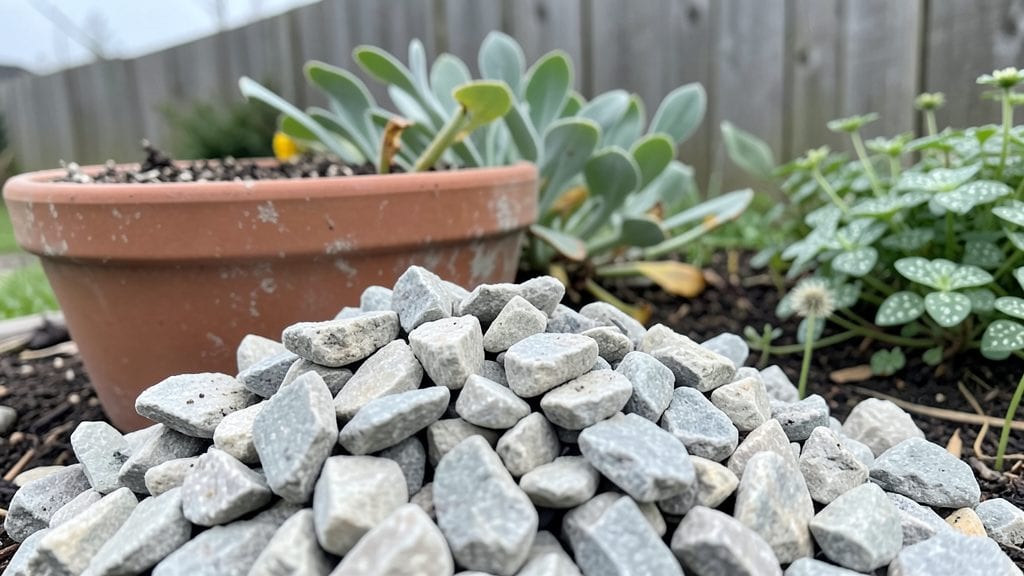
Using limestone in your garden naturally raises soil pH, creating the perfect environment for acid-sensitive plants like blueberries and azaleas while also deterring slugs and snails. Spread 5-10 pounds per 100 square feet and work it into the top 6 inches of soil during early spring or fall.
Limestone works by neutralizing acidic soils through its calcium carbonate content, which binds with excess hydrogen ions and gradually increases pH levels over time.
This process unlocks essential nutrients like phosphorus and nitrogen that plants need to thrive. 🌱 For example, blueberries require a pH between 4.5 and 5.5, while most vegetables prefer a slightly more alkaline range of 6.0 to 7.0.
The slow-release nature of limestone means you won't need to reapply as frequently as with synthetic amendments.
Beyond pH adjustment, limestone creates an inhospitable environment for pests like slugs and snails by making the soil less hospitable to their preferred acidic conditions. This dual benefit makes it a smart choice for gardeners dealing with both soil chemistry and pest control challenges.
💡 In This Article
- How Limestone Adjusts Soil pH and Benefits Plant Growth
- Practical Ways to Apply Limestone and Prevent Overuse
How limestone adjusts soil pH and benefits plant growth
When you add limestone to acidic soil, it triggers a chemical reaction that transforms your garden's environment. Limestone primarily consists of calcium carbonate (CaCO₃), which reacts with hydrogen ions (H⁺) in acidic soils, forming water (H₂O) and carbon dioxide (CO₂) while releasing calcium (Ca²⁺) and bicarbonate (HCO₃⁻) ions.
This process effectively reduces soil acidity by binding with the excess protons that make soil too sour for many plants. The reaction happens gradually, which is why limestone is considered a slow-release amendment—typically taking weeks to months to fully adjust pH levels.
The slow-release nature of limestone means it doesn't cause sudden pH spikes that can harm plants. Instead, it creates a steady increase, making it ideal for long-term soil health.
For example, if your soil tests at pH 5.5 and you need to reach 6.5 for vegetables, applying 5 pounds of limestone per 100 square feet will gradually raise the pH over 3-6 months.
This gradual adjustment also prevents nutrient lockout, where sudden pH changes can make essential minerals like phosphorus and iron temporarily unavailable to plants. The calcium released also strengthens cell walls, improving plant resilience to diseases.
One of limestone's most valuable benefits is unlocking nutrients that become unavailable in acidic soils. Phosphorus, for instance, binds tightly to soil particles in low-pH conditions, making it inaccessible to plants. When limestone raises pH to the 6.0-7.0 range, phosphorus becomes soluble and plant-available.
Similarly, nitrogen fixation improves as the soil environment becomes more hospitable to beneficial microbes. This nutrient availability explains why plants like tomatoes and peppers thrive in limed soils—even if they weren't initially struggling with acidity.
Different plants have distinct pH preferences that determine whether limestone is beneficial or harmful. Acid-loving plants like blueberries, azaleas, and rhododendrons require pH levels between 4.5 and 5.5, while most vegetables and lawn grasses prefer 6.0 to 7.0.
Over-liming can create problems like calcium toxicity or sodium buildup, especially in clay soils. The key is testing your soil before application—most home test kits measure pH and recommend lime needs based on current levels.
For example, if your soil tests at pH 5.0, you might need 10 pounds of limestone per 100 square feet, but if it's already at 6.0, you may only need 2-3 pounds.
Beyond pH adjustment, limestone's physical properties create an inhospitable environment for pests. Slugs and snails, for instance, prefer acidic, moist soils with organic matter. When limestone raises pH and dries out the soil slightly, these pests become less active.
The granular texture of limestone also disrupts their preferred smooth, decaying surfaces. This dual benefit—improving soil chemistry while deterring pests—makes limestone one of the most versatile garden amendments available.
What most gardeners don't realize is that limestone's benefits extend to soil structure over time. The calcium ions help flocculate clay particles, improving drainage and aeration. This structural improvement reduces compaction and creates a more stable growing medium.
For container gardens, using crushed limestone (instead of powdered) prevents clumping and ensures even distribution. The visual difference in soil after liming is often noticeable—the once-dark, peaty acidic soil lightens slightly and develops a more crumbly texture, ideal for root growth. 🌱