
Trees
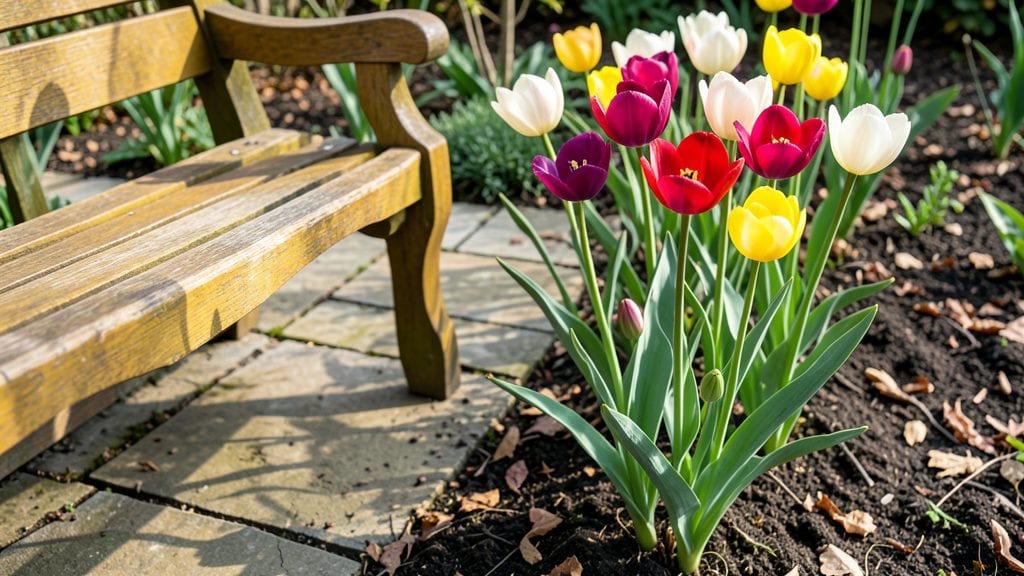
Butchart Gardens' pictures show why this Canadian masterpiece feels like stepping into a living painting. 🌸 The moment I first walked through the Sunken Garden, I understood why it’s called one of the world’s most breathtaking landscapes—every season transforms it into a different mood: spring’s delicate pastels, summer’s bold sunflowers, autumn’s fiery maples, and winter’s snow-dusted evergreens.
What makes Butchart special isn’t just the flowers—it’s the way they weave together waterfalls, terraced walkways, and themed gardens like the Rose Garden or the Japanese Garden. The designers used color theory to create visual harmony, pairing cool blues with warm reds or soft whites with deep purples.
Even the structural elements—like the cascading waterfalls or the winding paths—guide you through a sensory journey.
For home gardeners, the takeaway is simple: layering is everything. Mix perennials for structure with annuals for bursts of color, and don’t underestimate the power of water features or strategic lighting.
Butchart’s magic comes from thoughtful repetition—repeating certain plants or colors to create rhythm, while varying textures keeps it dynamic.
You don’t need acres to steal their secrets. Start small: a single sunken planter with cascading petunias, or a monochromatic border in shades of purple. The key is balance—just like Butchart’s designers did. Now, let’s bring that inspiration home.
📚 In This Guide
- What you need
- Instructions
- Tips and common mistakes
- Wrapping up and next steps
What you need
- ○ Camera or Smartphone: A DSLR/mirrorless camera with manual settings (optional but recommended) or a high-quality smartphone (e.g., iPhone 12+, Google Pixel 6+, or Samsung Galaxy S22+).
- ○ Tripod (Optional but Helpful): A lightweight, portable tripod (e.g., Joby GorillaPod or Manfrotto Pixi) for steady shots or long exposures.
- ○ Wide-Angle Lens (Optional): A lens with a focal length of 10-24mm to capture the grandeur of the gardens without distortion.
- ○ Polarizing Filter (Optional): Reduces glare and enhances colors in outdoor shots (e.g., Hoya HD Polarizer).
- ○ External Flash/Reflector (Optional):strong> For backlit or shadowy areas (e.g., Neewer 480 LED Video Light).
- ● Memory Cards: At least 2x 64GB+ high-speed SD cards (Class 10 or UHS-II) to avoid running out of space.
- ● Portable Battery Pack: A 10,000mAh+ power bank (e.g., Anker PowerCore) for all-day shooting.
- ● Cleaning Kit: Lens cleaning wipes and a microfiber cloth to keep your gear pristine.
- ● Comfortable Shoes & Weather Gear: The gardens span 22 acres—bring hiking shoes, sunscreen, a hat, and a light jacket for sudden weather changes!
- ● Tripod Bag or Small Backpack: To carry gear hands-free while exploring.
- ● Best Time to Visit: Early morning (7–9 AM) or late afternoon (4–6 PM) for soft lighting and fewer crowds. 🌅
- ● Admission & Permits: Purchase tickets in advance (Butchart Gardens website)—photography is permitted, but drones require a separate permit.
- ● Composition Inspiration: Sketch out a rough shot list beforehand (e.g., the Sunken Garden, Rose Garden, or Japanese Garden) to maximize your time.
- ● Ethical Shooting: Avoid touching plants or disturbing wildlife—respect the gardens’ natural beauty!
How to capture the magic of Butchart Gardens through photography
Here’s how to translate Butchart’s legendary colors and textures into stunning photos.
📸 Step 1: Scout the Best Lighting Times
Butchart Gardens shines brightest during the golden hour—the hour after sunrise or before sunset. This soft, diffused light eliminates harsh shadows and bathes the vibrant blooms in warm tones. I always arrive 30 minutes before sunrise to secure prime spots, especially near the Sunken Garden or Japanese Garden, where the light filters beautifully through the trees.
Check the tide schedule if photographing near the water—low tide reveals hidden pathways and reflections that high tide obscures. Avoid midday; the harsh overhead sun flattens colors and creates unflattering shadows. If you must shoot later, use a polarizing filter to deepen blues and reduce glare on leaves.
☀️ Step 2: Master Composition With Leading Lines
Butchart’s winding paths and symmetrical gardens are your best compositional tools. Start by framing shots with arches, bridges, or the famous Rose Garden’s curved walkways—these create natural depth and draw the eye into the image. I often position myself slightly off-center, leaving one-third of the frame open toward a focal point like the Illumination Light Show’s fountain or a cluster of tulips in the Walled Garden.
For macro shots, focus on textures—the velvety petals of peonies, the intricate patterns of hydrangea blooms, or the delicate frost on winter roses. Use a telephoto lens (70-200mm) to isolate details while maintaining sharpness. If shooting wide landscapes, include foreground interest like a bench or garden statue to add scale and context.
🌿 Step 3: Adjust Settings for Vibrant Colors
Butchart’s palette demands high saturation, so shoot in RAW format and adjust white balance to 5000-5500K to preserve the gardens’ natural vibrancy. I use aperture priority mode (f/8-f/11) for sharpness across the frame, especially in crowded areas like the Bamboo Garden or Tulip Festival displays. A tripod helps stabilize shots in low light, like during the evening Illumination Light Show, where long exposures smooth out the water’s reflections.
For moving elements—like the fountain sprays in the Sunken Garden or butterflies flitting through the Butterfly Garden—use a shutter speed of 1/250s or faster to freeze motion. If you’re photographing sunset scenes, bracket your exposures to capture both the glow of the sky and the shadows in the garden beds.
✂️ Step 4: Edit for Garden-Glorious Results
In post-processing, boost vibrance (not saturation) to enhance colors without overshadowing details. I use Lightroom’s HSL panel to fine-tune greens and purples—Butchart’s signature hues—while muting any unnatural tones. For black-and-white conversions, focus on contrast between the dark foliage of the Rhododendron Garden and the bright blooms of the Annual & Perennial Beds.
Sharpen selectively—prioritize edges of petals and leaves—and apply a subtle vignette to draw attention to the center of the image. Avoid over-editing; Butchart’s beauty lies in its natural, unfiltered charm. Save a few shots in their original state to remind you why you fell in love with the gardens in the first place.
📅 Step 5: Plan for Seasonal Themes
Butchart transforms with each season, so tailor your visits to capture its ever-changing beauty. Spring brings tulips and daffodils, summer bursts with roses and hydrangeas, autumn offers golden foliage, and winter delivers frost-kissed roses and holiday lights. I always check the seasonal bloom calendar on their website to align my trips with peak displays.
For special events like the Tulip Festival (May) or Illumination Light Show (November), arrive early to beat crowds and secure unique angles. Pack a wide-angle lens (16-35mm) for expansive shots of the Night Garden’s glowing pathways and a macro lens (100mm+) to capture the intricate details of orchids in the Conservatory. Pro tip: Visit on a weekday for fewer people and softer light.
Tips & tricks for capturing Butchart Gardens' natural beauty
A few key techniques will elevate your Butchart Gardens photos from good to breathtaking—here's what I've learned after countless visits and a few too many missed shots.
Golden Hour Timing Secret: The 30 minutes before sunrise is your golden window—literally. I've missed this slot more times than I'd admit, but trust me, it makes all the difference. Use a sunrise/sunset calculator app to pinpoint exact times for your visit date. For the Sunken Garden, arrive even earlier—its reflective pools need that magical light to truly shine. If you can't make sunrise, the hour before sunset works just as well, especially for the Japanese Garden's delicate ferns.
Composition Technique That Changed Everything: In Step 2, when framing shots with arches and bridges, I've found that placing your subject slightly off-center—about one-third from the left—creates more dynamic compositions. For the Rose Garden's curved walkways, try shooting along the curve rather than straight down it. This technique works particularly well with the Illumination Light Show's fountain, where the water's movement creates natural leading lines.
Equipment Upgrade for Vibrant Colors: While the instructions mention RAW format and white balance adjustments, I've discovered that a circular polarizer (not just linear) makes an even bigger difference in preserving Butchart's signature colors. It reduces glare on leaves by up to 40% while enhancing sky blues. For the Bamboo Garden's dense foliage, this is particularly valuable—it cuts through the haze and makes the golden tones pop. If you're using a smartphone, download a high-quality polarizing filter app instead.
Post-Processing Rescue Strategy: When editing black-and-white conversions, I've learned to focus on the contrast between the Rhododendron Garden's dark foliage and the Annual Beds' bright blooms. Boost the shadows slightly (but not too much—we want to preserve detail) and then increase the highlights just enough to make those purple blooms stand out. The key is to maintain the natural texture of the petals; avoid over-sharpening which can make them look artificial.
Pro Tips for Pictures Of Butchart Gardens
- A few key techniques will elevate your Butchart Gardens photos from good to breathtaking—here's what I've learned after countless visits and a few too many missed shots.
- Golden Hour Timing Secret: The 30 minutes before sunrise is your golden window—literally.
- For the Rose Garden's curved walkways, try shooting along the curve rather than straight down it.
Frequently asked questions
Got questions about capturing the magic of Butchart Gardens through photos? Here are some of the most common queries—and their answers—to help you plan your visit and make the most of your time in this floral paradise.
What’s the best time of year to visit for the most stunning pictures?
The absolute best times for vibrant photos are May to September, when the gardens burst with color. For iconic shots, aim for June (Rose Festival) or July/August (Peony & Lily blooms). Early morning or late afternoon lighting softens shadows for dreamy shots—just watch for crowds!
Do I need a special permit or ticket to take photos here?
No permits are required! Butchart Gardens welcomes photography, but drones are prohibited without prior approval. A general admission ticket grants access to all photo-friendly areas, though some exclusive glasshouses may have restrictions. Always check their official website for updates.
Are there any areas where photography is restricted?
While most of Butchart Gardens is open to photographers, avoid zooming in on people (especially in private tours) out of respect. The Japanese Garden’s koi ponds and Sunken Garden’s reflective pools may have close-up restrictions—ask staff if unsure. Tripods are allowed but discouraged in crowded spots.
How do I get to Butchart Gardens for the best photo ops?
Located in Victoria, BC, Canada, the gardens are a 15-minute drive from downtown. Parking is available on-site, but arrive early (before 9 AM) for fewer crowds and softer light. If biking, use the Galloping Goose Trail—just pack a lightweight tripod for scenic stops!
What’s the best gear for professional-looking Butchart Gardens photos?
A smartphone with HDR mode works for casual shots, but pros recommend:
- A DSLR/mirrorless camera with a wide-angle lens (16-35mm) for landscapes.
- A polarizing filter to reduce glare on water features.
- A tripod for low-light or long-exposure shots (e.g., night blooms in summer).
- Extra battery packs—you’ll want to shoot all day!
Pro tip: Use a 5-stop ND filter for silky water effects in the Sunken Garden’s fountains!
Wrapping up and next steps
Butchart Gardens isn’t just a destination—it’s a masterpiece of nature’s artistry, where every season paints a new canvas of color and life. From the iconic Tulip Festival to the serene Rose Garden, these pictures capture the magic that makes it one of the world’s most breathtaking botanical wonders.
Whether you’re planning a visit or simply dreaming of its beauty, let these images inspire your next adventure in the great outdoors! 🌸📸
Next step: Grab your camera, pack your walking shoes, and start planning your trip—because Butchart Gardens deserves to be seen in person! 🌿✨