
Companion Plants
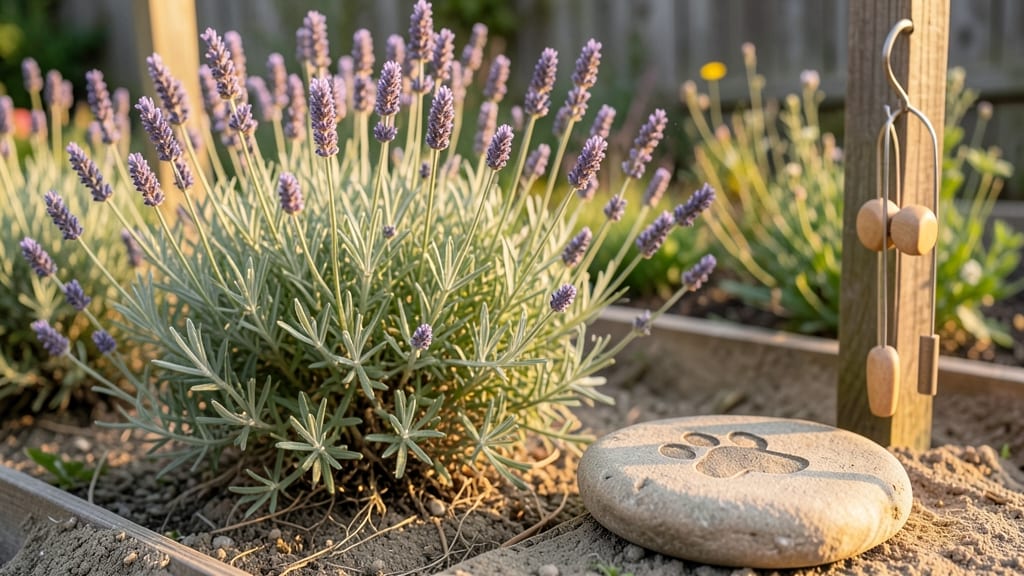
Creating a pet memorial garden with plants that whisper love and resilience is one of the most meaningful ways to honor your furry family member. 🌱 Sunflowers towering toward the sky or lavender releasing its calming scent can turn a quiet corner into a sanctuary of memories—where every bloom feels like a hug from your pet.
The right plants don’t just grow; they become living tributes, their colors and textures telling your pet’s story in ways words can’t.
Start with plants that reflect your pet’s personality—vibrant sunflowers for joyful, energetic souls, delicate roses for gentle companions, or hardy lavender for loyal protectors. Most memorial gardens thrive with low-maintenance perennials that return year after year, like coneflowers or Russian sage, so you’re never without their presence.
Fragrant options like jasmine or honeysuckle add sensory comfort, letting you "smell" your pet when the breeze carries their scent.
Arrange the garden with intention: place a stone engraved with your pet’s name near their favorite plant, or create a winding path lined with their beloved blooms. Dogwoods symbolize strength, while marigolds represent gratitude—both perfect for a space that celebrates life.
Even in colder climates, evergreens like boxwood or juniper add year-round structure, ensuring your pet’s memory stays green through every season.
Add personal touches like a small bench where you can sit and remember, or a wind chime that plays softly in the breeze. The goal isn’t perfection—it’s creating a place where love grows alongside the plants.
This garden will become your quietest, most sacred space, and every visit will feel like a conversation with your beloved pet.
📚 In This Guide
- What you need
- Instructions
- Tips and common mistakes
- Wrapping up and next steps
What you need
- ● Pet memorial plants: Choose 3–5 slow-growing, long-lived species (e.g., Lavender, Roses, or Ornamental Grasses) for lasting beauty.
- ● Soil amendments: 2–3 bags of organic compost or peat moss (1 cubic yard per 100 sq. ft.) to enrich the soil.
- ● Mulch: 1–2 bags of wood chips or shredded bark (3–4 inches deep) to retain moisture and suppress weeds.
- ● Memorial plaque or marker: 1–2 engraved stones or metal plaques (weather-resistant materials preferred).
- ● Garden tools: 1 trowel or hand shovel
- ● 1 pruning shears
- ● 1 rake (for leveling soil)
- ● 1 wheelbarrow (for hauling materials)
- ● Measuring tools: 1 tape measure (25 ft) and 1 garden stake (for layout).
- ● Watering supplies: 1 watering can or hose with a gentle spray nozzle.
- ● Location: A sunny or partially shaded spot (6+ hours of sunlight for most memorial plants).
- ● Space: At least 4’ x 4’ area (adjust based on plant size and design).
- ● Weather check: Plan for a day with mild temperatures (50–80°F) to avoid plant stress.
- ● Solar-powered garden lights (3–5 units) for evening ambiance.
- ● Wind chimes or a small bird feeder to add movement and life.
- ● Personalized garden flags or ribbons for a touch of color.
How to design a pet memorial garden that honors their legacy
Creating a space that feels both peaceful and deeply personal starts with the right plants—each chosen for their beauty, symbolism, and ability to thrive year after year.
🌱 Step 1: Select Plants That Symbolize Love and Remembrance
Begin with evergreen plants like boxwood or juniper—their year-round presence ensures your pet’s memory remains constant, even when seasonal blooms fade. I always include lavender for its calming scent and purple hues, which many associate with loyalty and devotion. These plants require full sun to partial shade and moderate watering once established.
For a touch of whimsy, add sunflowers or daisies—their bright faces lift spirits, while their rapid growth symbolizes the fleeting yet vibrant life of your pet. Plant these in clusters of 3-5 near the memorial spot to create a cheerful focal point. Avoid delicate annuals that won’t survive harsh winters; opt for perennials like coneflowers or black-eyed Susans for enduring beauty.
🌿 Step 2: Incorporate Scented Plants for Sensory Comfort
Plants like rosemary, thyme, or mint release fragrances that evoke warmth and nostalgia, making them ideal for a memorial garden. Rosemary, in particular, symbolizes remembrance and is drought-tolerant once established, requiring only 1 inch of water weekly in dry climates. Plant it near a seating area so visitors can brush their fingers against the needles and feel its aromatic comfort.
For a softer touch, gardenia or jasmine add a sweet, intoxicating scent that lingers in the evening air. These thrive in partial shade and well-draining soil, so amend the area with 2 inches of compost before planting. A light mulch layer helps retain moisture while keeping roots cool—a small but meaningful gesture for a space meant for reflection.
☀️ Step 3: Design a Layout That Tells Their Story
Arrange plants in a way that guides visitors through a journey of memory. Start with a central focal point—perhaps a small statue, engraved stone, or even a buried time capsule with your pet’s collar or favorite toy. Surround it with low-growing perennials like heuchera or hostas to create a natural border that frames the space.
Add vertical elements like a trellis covered in clematis or morning glories to draw the eye upward, symbolizing the sky and freedom. Place a bench or stone seat where sunlight filters through the plants in the afternoon—this spot will become your quiet place for remembrance. Ensure the design includes varied textures (smooth leaves, spiky grasses, velvety blooms) to engage all senses.
💧 Step 4: Maintain the Garden as a Living Tribute
Water deeply once a week during the first growing season to help roots establish, then taper to every 10-14 days once plants are mature. Use drip irrigation or a soaker hose to deliver moisture directly to the soil without disturbing delicate blooms. Mulch annually with 2-3 inches of shredded bark to suppress weeds and retain moisture—a low-effort way to keep the garden thriving.
Prune spent blooms regularly to encourage new growth, and fertilize lightly in early spring with a balanced, slow-release fertilizer. Avoid over-fertilizing; memorial gardens should feel natural and serene, not over-manicured. I like to add a small wind chime or solar-powered lights to enhance the space as daylight fades, creating a peaceful ambiance for evening visits.
Tips & tricks for perfect pet memorial garden design
A few thoughtful touches can transform a garden into a lasting tribute that feels deeply personal and healing. Here's how to elevate your memorial space beyond the basics.
The Symbolism Factor: Lavender isn't just for color—its purple blooms represent loyalty, while sunflowers symbolize adoration and joy. I always plant lavender near the central focal point because its fragrance lingers in the air, creating an immediate sense of comfort. For an extra meaningful touch, consider adding a small engraved stone with your pet's name surrounded by lavender—it creates a natural frame that feels intentional.
Layering for Emotional Depth: In Step 3, when designing your layout, think vertically as well as horizontally. The vertical elements like clematis or morning glories aren't just decorative—they create a natural upward motion that can feel spiritually uplifting. I like to position these near the seating area so visitors can look up while reflecting, which often feels more contemplative than sitting surrounded by ground-level plants. The contrast between low-growing hostas and towering clematis also adds visual interest that draws the eye through the entire space.
Sensory Storytelling: Memorial gardens should engage more than just sight. In Step 2, when incorporating scented plants, consider creating a "scent path" that visitors experience as they move through the space. Start with rosemary near the entrance (its piney aroma is invigorating), then move to gardenia near the seating area (its sweet fragrance is calming), and finish with jasmine at the back (its intoxicating evening scent creates a dreamy atmosphere). This progression mirrors how we process grief—starting with strength, moving to comfort, and ending with reflection.
Maintenance Made Meaningful: The 2-3 inches of mulch mentioned in Step 4 isn't just about weed control—it's a way to turn maintenance into an act of care. I find that spreading fresh mulch every spring becomes a ritual of renewal, much like how we honor our pets' memories each year. Choose mulch in colors that complement your garden (dark brown for contrast, light tan for warmth) to make this practical task feel like part of the decorative scheme. A small wheelbarrow makes this task easier while keeping the garden looking intentional, not neglected.
Pro Tips for Pet Memorial Garden Plants
- A few thoughtful touches can transform a garden into a lasting tribute that feels deeply personal and healing.
- The Symbolism Factor: Lavender isn't just for color—its purple blooms represent loyalty, while sunflowers symbolize adoration and joy.
- Layering for Emotional Depth: In Step 3, when designing your layout, think vertically as well as horizontally.
Frequently asked questions
What are the easiest plants to grow for a pet memorial garden?
Choose low-maintenance, resilient plants like lavender (drought-tolerant and fragrant), sunflowers (fast-growing and cheerful), or roses (symbolic and long-lasting). Herbs like rosemary or thyme are also great—they thrive in many climates and offer comforting scents.
When is the best time to plant a memorial garden?
Spring (after the last frost) is ideal for most plants, but you can also plant in early fall in mild climates. If you’re planting perennials, give them a few months to establish roots before winter. Annuals can be sown directly in spring or started indoors 6-8 weeks before the last frost.
Can I use artificial plants instead of real ones?
Artificial plants are a practical choice if you want low-maintenance beauty without upkeep. Opt for weather-resistant materials like UV-stabilized plastic or metal. Pair them with real succulents or herbs in pots for a hybrid look—symbolic yet manageable.
How do I keep pets (or wildlife) from disturbing the garden?
Use raised beds with sturdy borders or plant pet memorial gardens in containers on decks/patios. Choose non-toxic plants (avoid lilies or foxglove) and add mulch to deter digging. For wildlife, place motion-activated sprinklers or wind chimes to gently discourage visitors.
What if my pet’s favorite plant doesn’t grow well in my climate?
No worries! Pick a substitute with similar meaning—e.g., if daisies (symbolizing innocence) struggle, try black-eyed Susans for a cheerful alternative. Research native plants in your area for hardy, low-effort options that still honor your pet’s memory.
Wrapping up and next steps
Creating a pet memorial garden is a beautiful way to honor your beloved companion while fostering healing and joy. From sun-loving lavender to symbolic white roses, the right plants can turn grief into a living tribute that blooms with love.
Whether you’re planting a small container garden or a sprawling outdoor space, every pet deserves a place where their memory can grow as vibrantly as they once did. 💐
Ready to bring your vision to life? Start by sketching your garden layout, then gather your plants and tools—your furry friend’s legacy is just a few seeds (or cuttings) away! Plant with love, and let the garden grow.