Container Gardens
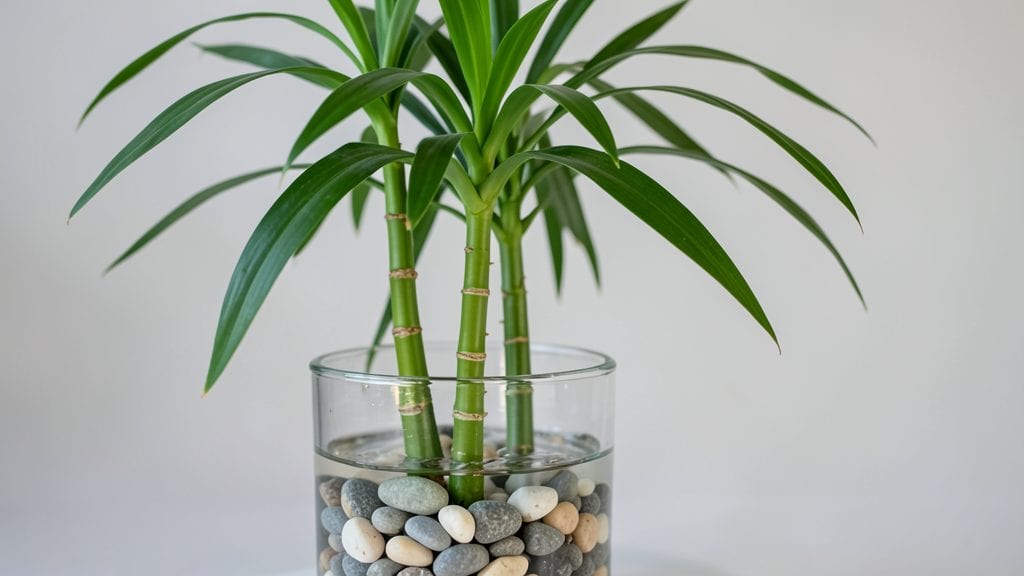
A bamboo container garden turns tight spaces into lush vertical escapes. ✨ I’ve watched clumping bamboo transform balconies and patios into serene, jungle-like retreats without taking up yard space. The key is choosing the right containers and bamboo types—some varieties thrive in pots while others need room to spread.
My favorite setups use 5-gallon fabric grow bags for smaller species, letting roots breathe while keeping growth contained.
The magic happens when you pair bamboo with complementary plants. Trailing ferns or ornamental grasses soften the bamboo’s upright structure, while 12-inch terracotta pots of impatiens add bursts of color at the base.
Place containers near railings or trellises so stems can weave upward, creating a living privacy screen. Just avoid full sun—most container bamboo prefers morning light and afternoon shade to prevent stress.
By late summer, you’ll have a thriving vertical garden that hums with life. The air smells fresher, the space feels cooler, and neighbors will ask how you did it.
Maintenance is simple: water when the top inch of soil dries, fertilize lightly in spring, and prune leggy stems to encourage bushier growth. The best part? This setup works for renters, small yards, or urban balconies—no digging required.
Here’s the twist: bamboo in containers actually grows slower than in the ground, so you won’t need to divide plants for years. That means less work and more time enjoying your low-maintenance, high-impact green wall. Ready to turn your balcony into a bamboo oasis?
📚 In This Guide
- What you need
- Instructions
- Tips and common mistakes
- Wrapping up and next steps
What you need
- ● Bamboo planters: 3–5 medium-sized (12–18 inches deep) or 1–2 large (20+ inches deep) containers with drainage holes. Tip: Look for lightweight, pre-drilled options for easy handling!
- ● High-quality potting mix: 5–10 gallons, depending on container size. Use a blend designed for bamboo or tropical plants (e.g., 60% peat/coir, 30% perlite, 10% compost).
- ● Bamboo rhizome (clump): 1–3 clumps, sized 3–6 inches in diameter. Pro tip: Choose Bambusa multiplex or Phyllostachys varieties for container-friendly growth.
- ● Slow-release fertilizer: 1–2 cups of organic granular fertilizer (e.g., 10-10-10 or bamboo-specific blend).
- ● Drainage layer: Small gravel, perlite, or broken pottery shards (1–2 inches per container).
- ● Watering can or hose with a gentle spray nozzle: For even moisture distribution.
- ● Gloves: Heavy-duty garden gloves to protect hands from sharp bamboo edges.
- ● Trowel or small shovel: For planting and mixing soil.
- ○ Pruning shears: To trim dead fronds or overgrowth (optional but helpful).
- ○ Support stakes or trellis (optional): For climbing varieties like Bambusa oldhamii.
- ● Sunlight assessment: Confirm your space gets 4–6 hours of indirect light daily (bamboo thrives in partial shade!).
How to build a bamboo container garden for small spaces
Turn your balcony or patio into a lush vertical garden with this simple, stylish approach.
🪴 Step 1: Gather Your Bamboo and Containers
Start with 4-6 bamboo poles (3-4 feet tall) to create your vertical frame. Look for sturdy, untreated bamboo—it should feel solid when squeezed but still flexible enough to bend slightly. Cut any poles to uniform length with a handsaw, leaving 2-3 feet above ground for planting space.
For containers, use 4-6 shallow planters (6-8 inches deep) with drainage holes. I like terracotta pots because they wick away excess moisture, but plastic works too. Arrange your poles in a grid pattern, spacing them 12-18 inches apart to give roots room to breathe. Secure the base with landscape staples or heavy-duty zip ties to prevent tipping.
🌱 Step 2: Prepare Soil and Plant Your Selections
Fill each planter with lightweight potting mix—avoid garden soil, which compacts in containers. Mix in a handful of perlite or orchid bark to improve drainage. I like to add a slow-release fertilizer to the bottom layer for steady nutrition. Leave 1 inch of space between the soil surface and pot rim for watering.
Choose plants that thrive in shallow containers and complement each other. Ferns, ivy, and creeping thyme work beautifully, while succulents like sedum add texture. Arrange plants so their growth habits fill the space—taller varieties in the back, cascading types in front. Water gently after planting to settle the soil around roots.
☀️ Step 3: Position for Light and Water Consistently
Place your bamboo frame in partial shade to full sun, depending on your plants. Most tropical varieties (like ferns) prefer morning sun and afternoon shade, while succulents need 6+ hours of direct light. If using a balcony railing, ensure the frame is stable—test by giving it a slight tug before planting.
Water every 2-3 days until the top inch of soil feels dry. Check the back of your garden first—plants in shaded spots dry slower. Mist foliage occasionally to increase humidity, especially for delicate plants like ferns. Overwatering is the biggest mistake here; bamboo containers dry out faster than you think.
✂️ Step 4: Maintain Growth and Prune Regularly
Trim leggy stems or overgrown foliage every 4-6 weeks to encourage bushier growth. Use clean, sharp scissors to cut just above a leaf node. This keeps your garden looking tidy and prevents plants from outgrowing their containers. Remove any yellow or brown leaves immediately—they attract pests and spread disease.
Fertilize lightly once a month during growing season with a balanced liquid fertilizer. I dilute mine to half-strength to avoid burning roots. In winter, reduce watering to once a week unless your space is heated. Watch for signs of stress—drooping leaves mean it’s thirsty, while crispy edges signal too much sun.
🌿 Step 5: Expand and Refresh Seasonally
Swap out plants every 3-4 months to keep your garden vibrant. Replace annuals with seasonal varieties—spring bulbs like pansies, summer succulents, or fall mums. This keeps the design fresh without overcrowding. I also rotate containers to even out sun exposure if one side looks leggier than the other.
Clean your bamboo frame annually with a mild vinegar solution (1:3 ratio) to prevent mold. Scrub the poles with a stiff brush, rinse well, and let dry completely before replanting. Store winter-sensitive plants indoors in pots you can rehang next season. With this system, your vertical garden will thrive for years with minimal effort.
Tips & tricks for perfect bamboo container gardens
These simple strategies will help you create a thriving vertical garden that looks stunning and lasts for years.
Bamboo Selection Tip: When choosing your 4-6 bamboo poles, look for ones with a slightly tapered shape—they're stronger and less likely to split over time. Avoid poles with visible cracks or soft spots, as these can weaken your frame. I like to soak the cut ends in water for 24 hours before assembling to prevent them from drying out and splitting.
Container Stability Strategy: For extra stability when securing your containers to the bamboo frame, I recommend using a combination of landscape staples and zip ties. Start by attaching the staples at the base, then add zip ties around the middle of each pole for additional support. This two-step approach prevents the frame from tipping, especially if you're using heavier terracotta pots.
Soil Mixing Insight: The ratio for your lightweight potting mix is crucial—aim for about 60% potting soil, 20% perlite, and 20% orchid bark. This combination ensures proper drainage while retaining enough moisture for your plants. I like to add a handful of worm castings to the mix for extra nutrients—it's a game-changer for plant health.
Watering Wisdom: The "top inch of soil" dryness test is key, but don't rely solely on your finger. Invest in a moisture meter for more accurate readings, especially if you're using different types of plants with varying water needs. In hot weather, you might need to water every 1-2 days instead of the recommended 2-3 days—always check the soil first.
Pro Tips for Bamboo Container Garden
- These simple strategies will help you create a thriving vertical garden that looks stunning and lasts for years.
- Bamboo Selection Tip: When choosing your 4-6 bamboo poles, look for ones with a slightly tapered shape—they're stronger and less likely to split over time.
- Container Stability Strategy: For extra stability when securing your containers to the bamboo frame, I recommend using a combination of landscape staples and zip ties.
Frequently asked questions
Got questions about creating your own bamboo container garden?
Here are answers to the most common ones—so you can dive in with confidence!
What’s the best way to water plants in a bamboo container garden?
Bamboo’s porous nature drains water quickly, so check moisture daily. Use a self-watering system or place a tray underneath to catch excess. Water in the morning to avoid fungal growth, and ensure the soil stays evenly moist but not soggy. Mulch helps retain humidity!
How long does it take for plants to grow in a bamboo container?
Growth speed depends on the plant type, sunlight, and care. Fast growers like herbs or leafy greens may show results in 2–4 weeks, while deeper-rooted veggies (e.g., tomatoes) take 6–8 weeks to thrive. Patience pays off—consistent care accelerates growth!
Can I reuse bamboo containers for multiple growing seasons?
Yes! Clean containers thoroughly after each season to prevent mold or pests. Scrub with a vinegar-water mix, let dry in the sun, and store in a dry place. Avoid stacking to prevent warping. With proper care, bamboo can last 3–5 years or longer!
What are good alternatives if bamboo isn’t available?
No bamboo? Try recycled plastic crates, hanging fabric pockets, or stackable ceramic pots. For a natural look, opt for coconut coir planters or woven rattan baskets. Just ensure they have drainage—your plants will thank you!
How do I keep pests away from my bamboo container garden?
Pests love bamboo’s moisture! Use neem oil spray or companion plants like basil or marigolds to deter bugs. Elevate containers to reduce slugs/snails, and inspect leaves weekly. Copper tape around edges can also help—nature’s bug barrier!
Wrapping up and next steps
Creating a bamboo container garden is a fantastic way to bring nature into small spaces while adding a touch of Zen to your balcony or patio! 🌿 Whether you’re a seasoned gardener or just starting out, these vertical havens are low-maintenance, stylish, and perfect for herbs, succulents, or even small vegetables.
The key takeaway? With the right materials and a little creativity, you can transform any corner into a lush, functional green space.
Ready to get growing? Start by picking your favorite plants and assembling your bamboo containers—then watch your space (and your green thumb!) flourish. Happy gardening! 🌱