
Tools
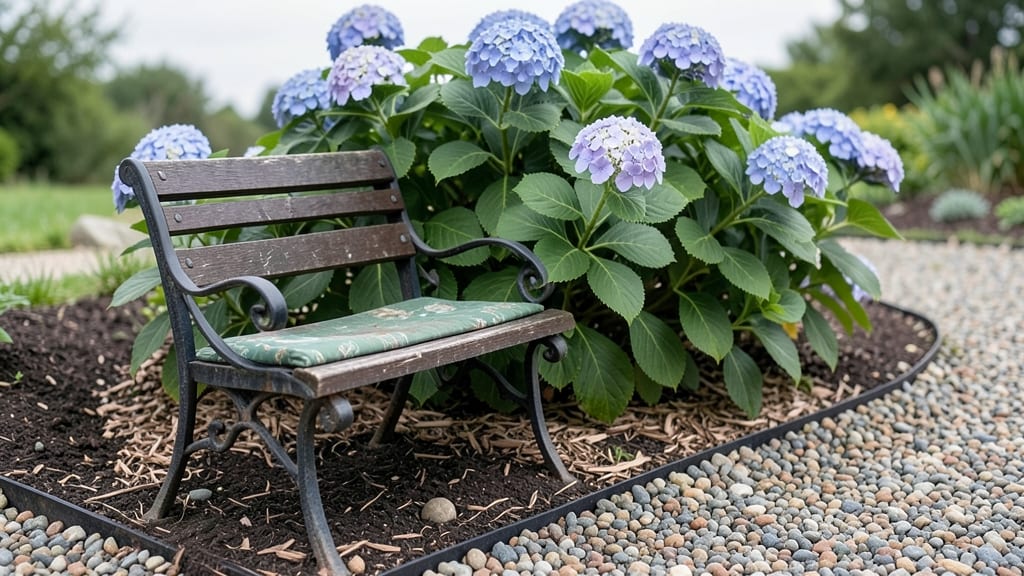
A cottage-inspired front garden layout transforms your curb appeal into a welcoming, ever-changing display that feels like stepping into a storybook. 🌿 The key isn’t just picking pretty plants—it’s layering them so every season brings something new, from spring bulbs to winter berries.
My first attempt used a mix of perennials, shrubs, and climbers, but the real magic came when I added a winding path and a small seating area that made the space feel intentional, not just decorative.
You don’t need a big yard to pull this off—even a narrow strip can shine with the right plant choices. Start with a 3-foot-wide border of hardy perennials like lavender, catmint, and Russian sage for structure, then tuck in seasonal blooms like peonies and hydrangeas for pops of color.
A 6-inch-deep layer of mulch keeps weeds at bay and adds that classic cottage look. The best part? Most of these plants thrive in average soil and only need 1-2 inches of water per week once established.
By the end of summer, you’ll have a front yard that turns heads with its lush greenery, fragrant blooms, and cozy vibe.
The secret’s in the details: a mix of heights, textures, and colors that keep things interesting, plus a few focal points like a trellis or a small birdbath to draw the eye. Even in winter, evergreens and dried seed heads add structure, so you’re never left with a blank canvas.
This layout works for small urban spaces or larger traditional gardens—just scale the plants and pathways to fit. The biggest mistake? Overcrowding plants or ignoring sunlight patterns. Take your time planning, and you’ll end up with a front garden that feels like home, not just a pretty picture.
📚 In This Guide
- What you need
- Instructions
- Tips and common mistakes
- Wrapping up and next steps
What you need
- ● Soil & Amendments: Topsoil (2–3 cubic yards, depending on garden size)
- ● Compost (1–2 bags, 40 lb each) for enriching soil
- ○ Peat moss or coconut coir (optional, for moisture retention)
- ● Plants (Mix of Perennials & Annuals): Perennials: Lavender (3–5 plants), Coneflowers (5–7), Black-Eyed Susans (7–10), Foxgloves (3–5)
- ● Annuals: Pansies (10–15), Sweet Alyssum (seed packets, 2–3), Marigolds (5–7)
- ● Shrubs: Hydrangeas (2–3), Boxwood (3–4 for structure)
- ● Climbers: Clematis (1–2 vines) or Roses (2–3 bushes)
- ● Hardscaping: Gravel or decomposed granite (1–2 bags, 50 lb each)
- ● Stepping stones (4–6, 12"x12" slabs)
- ● Wooden or metal edging (20–30 ft, depending on borders)
- ● Digging & Planting: Shovel (heavy-duty, 18" blade)
- ● Garden trowel (for precision planting)
- ● Pruning shears (bypass type, sharp)
- ● Garden fork (for aerating soil)
- ● Measuring & Marking: Measuring tape (25 ft)
- ● Stakes & twine (for layout planning)
- ○ Spray paint (optional, for marking designs)
- ● Watering & Maintenance: Garden hose with adjustable nozzle
- ○ Watering can (optional, for delicate plants)
- ● Wheelbarrow (for hauling materials)
- ● Birdbath or small fountain (for whimsy and wildlife)
- ● Vintage-style garden ornaments (e.g., weathered signs, wind chimes)
- ● Mulch (straw or shredded bark, 2–3 bags)
- ● Garden gloves (for comfort and protection)
- ● Knee pads (if you’ll be kneeling often!)
Step-by-Step instructions for designing a cottage-inspired front garden
Here's how to create a welcoming, low-maintenance garden that blooms from spring through fall.
🌿 Step 1: Define Your Garden Zones and Focal Points
Start by sketching your front garden area on paper, marking the house, driveway, sidewalk, and any existing features like a front door or porch. Cottage gardens thrive on layers, so I divide mine into three zones: the front edge (closest to the house), the midground (mid-height plants), and the back edge (tallest plants). This creates depth and draws the eye toward your home.
Choose one or two focal points—like a vintage trellis, a small birdbath, or a cluster of old-fashioned roses—to anchor the design. I like to place mine near the front door or along the walkway. These elements will guide visitors through your garden and give it that quintessential cottage charm.
🪴 Step 2: Select Plants for Seasonal Interest and Texture
Cottage gardens shine with a mix of perennials, annuals, and shrubs that offer color and texture year-round. For spring, I plant bleeding hearts, lungwort, and dwarf iris—these add delicate foliage and early blooms. In summer, black-eyed Susans, coneflowers, and hollyhocks take center stage, while Russian sage and lavender provide height and fragrance.
Don’t forget the back of the border! Tall grasses like feather reed grass or switchgrass add movement and soften the edges. I also tuck in evergreen shrubs like boxwood or inkberry holly for winter structure. Mixing heights and textures—think ruffled foliage, spiky blooms, and lush greens—creates that effortless, lived-in look.
☀️ Step 3: Arrange Plants in Odd-Numbered Groups
Cottage gardens avoid rigid rows—plants are grouped in threes or fives for a natural, abundant feel. Start by placing your tallest plants at the back, then work forward with mid-height and low-growing varieties. I like to stagger plants so no two of the same type are side by side; this prevents the garden from looking too uniform.
Leave some space between plants for air circulation and easy maintenance. A good rule of thumb is to space perennials 18-24 inches apart and annuals 12-18 inches apart, depending on their mature size. If you’re unsure, check the plant tag for spacing guidelines. Mulch lightly with 2-3 inches of shredded bark or straw to suppress weeds and retain moisture.
✂️ Step 4: Add Pathways and Functional Elements
No cottage garden is complete without winding paths or stepping stones to invite exploration. I use flagstone slabs or gravel paths to create meandering walkways that lead visitors deeper into the garden. For a softer look, plant creeping thyme or moss between stepping stones—it’s drought-tolerant and adds a lush green carpet.
Incorporate functional elements like a small bench, a vintage-style arbors, or even a simple wooden trellis for climbing roses. These features make the garden feel lived-in and purposeful. I also add a few container plants near the front door—like geraniums or petunias in terracotta pots—to brighten the entrance and create instant curb appeal.
💧 Step 5: Maintain with Seasonal Care
Cottage gardens are low-maintenance but benefit from seasonal check-ins. In spring, remove dead foliage and add a layer of compost to feed the soil. Summer is all about deadheading spent blooms—this encourages more flowers and keeps the garden looking tidy. I also water deeply once a week (or more in extreme heat) to ensure roots stay hydrated.
Fall is the time to cut back perennials that have died back, like coneflowers or black-eyed Susans, but leave seed heads on others—like Russian sage or goldenrodevergreen shrubs or ornamental grasses to keep the garden vibrant even when most plants are dormant. A light layer of mulch protects roots from freezing temperatures.
Tips & tricks for perfect cottage-inspired front garden layout
A few simple strategies that'll transform your front yard into a charming, low-maintenance cottage garden.
Layering Secret: In Step 1, when defining your zones, remember that the back edge should be 2-3 times taller than the front edge. I like to use tall grasses like feather reed grass at the back, then work forward with coneflowers and black-eyed Susans in the midground, and finish with bleeding hearts and lungwort at the front. This creates that magical layered look that makes cottage gardens so inviting.
Plant Placement Pro Tip: For Step 3, when arranging your plants in odd-numbered groups, I always place my focal points—like that vintage trellis or birdbath—where they'll be visible from the sidewalk. This draws the eye naturally and makes your garden feel intentional. Think of it as framing your home's best feature with living art.
Pathway Design: In Step 4, don't be afraid to get creative with your pathways. I've used everything from flagstone slabs to gravel paths to even old wooden planks for a rustic look. The key is to make them meander slightly—straight paths can make a garden feel too formal. Add a few stepping stones with creeping thyme between them for a soft, natural transition.
Seasonal Care Shortcut: For Step 5, I've found that setting a monthly reminder for seasonal care keeps my garden looking its best without overwhelming me. In spring, I do a quick "spring clean" by removing dead foliage while the weather is still cool. For summer, I set a weekly reminder to deadhead my hollyhocks and coneflowers—this one small task makes a huge difference in keeping flowers coming all season.
Pro Tips for Front Garden Layout
- A few simple strategies that'll transform your front yard into a charming, low-maintenance cottage garden.
- Layering Secret: In Step 1, when defining your zones, remember that the back edge should be 2-3 times taller than the front edge.
- Plant Placement Pro Tip: For Step 3, when arranging your plants in odd-numbered groups, I always place my focal points—like that vintage trellis or birdbath—where they'll be visible from the sidewalk.
Frequently asked questions
Got questions about crafting your dream front garden layout with cottage charm? You’re not alone! Here are answers to the most common queries to help you design a space that’s as functional as it is beautiful.
What’s the best time of year to start planning my front garden layout?
Spring is ideal for planting perennials and shrubs, while early fall gives you a head start on next year’s blooms. However, you can sketch designs and order materials year-round! Start small—even a single seasonal bed can transform your curb appeal.
How do I balance charm with low-maintenance plants in a cottage-style garden?
Opt for hardy perennials like lavender, coneflowers, and ornamental grasses—they thrive with minimal fuss. Add mulch to suppress weeds and group plants by water needs. A mix of evergreens (e.g., boxwood) and seasonal blooms keeps interest high without daily upkeep.
Can I create a cottage garden on a small or narrow front yard?
Vertical gardens, tiered planters, and narrow borders packed with climbing roses or clematis maximize space. Use mirrors or light-colored paths to create the illusion of depth. Even a single window box or hanging baskets can add cottage flair.
What’s the biggest mistake people make when designing a front garden layout?
Overcrowding plants or ignoring sunlight exposure. Cottage gardens thrive on air circulation—space plants 18–24 inches apart. Observe your yard’s sunlight patterns (morning vs. afternoon) and group plants accordingly to avoid leggy growth or poor blooms.
How can I add year-round interest without breaking the bank?
Layer plants with varying bloom times (e.g., spring bulbs like daffodils, summer perennials, and winter interest from evergreens or berry-producing shrubs). Add affordable touches like pebble paths, vintage signs, or upcycled containers for texture and personality.
Still stumped? Mix and match these ideas to fit your space and style—your front garden should reflect you as much as it does cottage charm!
Wrapping up and next steps
A cottage-inspired front garden isn’t just about aesthetics—it’s a cozy, functional retreat that brings joy year-round. By blending seasonal blooms, textured plants, and whimsical touches, you’ve created a space that feels like a hug from nature.
Whether you’re a seasoned gardener or just starting, your effort will transform your curb appeal into a charming, inviting haven.
Ready to see your vision bloom? Start small: Pick one corner to refine, or gather inspiration for next season’s upgrades. Every plant and path you add is a step toward a garden that reflects your story. Happy gardening! 🌸