
Vegetables
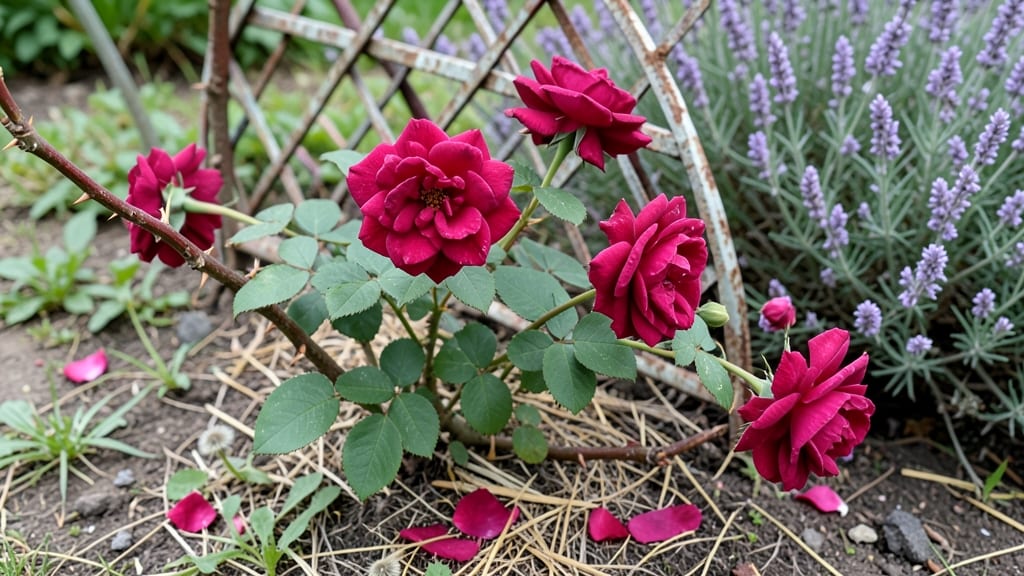
French cottage gardens aren’t just gardens—they’re living love letters to romance and nostalgia, where roses climb over weathered trellises and lavender drifts spill across sunlit paths. ✨ I fell for this style after visiting a crumbling stone cottage in Provence, where the scent of blooms and the rustic charm made me want to pause time itself.
The magic lies in the layers: tall delphiniums nodding over low-growing thyme, climbing roses trailing through apple trees, and every path leading to another hidden corner.
You don’t need acres to bring this whimsy home—just a sunny spot, a few key plants, and a willingness to let things grow a little wild.
Start with climbing roses (like 'Blush Noisette' or 'Souvenir de la Malmaison') for vertical drama, pair them with fragrant perennials like peonies and hollyhocks, and fill gaps with dwarf shrubs such as lavender or rosemary.
The color palette leans into soft pinks, creams, and purples, but the real charm is in the textures—velvety foliage, papery petals, and the occasional rustic stone or wooden arbour.
By midsummer, your garden will hum with bees and the air will smell like a bouquet you can’t resist. The best part? These gardens thrive on low-maintenance romance—prune roses once a year, deadhead spent blooms, and let the rest unfold naturally.
Even in small spaces, you can create pockets of this dreamy style, whether it’s a windowsill herb garden with trailing roses or a balcony overflowing with lavender and sweet peas.
Fair warning: once you start, you’ll want to add more. The trick is to begin with what excites you—maybe a single climbing rose or a drift of lavender—and let the rest grow organically.
This isn’t about perfection; it’s about creating a garden that feels like a hug every time you walk through it. Ready to start layering the magic?
📚 In This Guide
- What you need
- Instructions
- Tips and common mistakes
- Wrapping up and next steps
What you need
- ● Perennials (the heart of the garden!): Peonies (3–5 bushes)
- ● Roses (climbing & shrub varieties, 5–10 plants)
- ● Delphiniums (3–4 tall spikes)
- ● Lavender (5–7 plants for fragrance)
- ● Foxgloves (10–15 plants for height)
- ● Hollyhocks (3–5 plants for cottage texture)
- ● Annuals for color bursts: Sweet peas (10–15 vines)
- ● Marigolds (20–30 plants)
- ● Nasturtiums (15–20 trailing plants)
- ● Pansies or violas (30–50 for ground cover)
- ○ Vegetables (optional but charming!): Herbs (rosemary, thyme, sage—3–5 plants)
- ● Edible flowers (nasturtiums, calendula)
- ● Must-haves: Garden trowel (for planting)
- ● Pruners (sharp & clean for roses)
- ● Garden fork (for aerating soil)
- ● Wheelbarrow (for hauling soil/plants)
- ● Watering can (or hose with gentle spray)
- ● Nice-to-haves: Trellis or arbor (for climbing roses)
- ● Garden kneeler (for comfort)
- ● Mulch (straw or shredded bark)
- ● Decorative stones or pebbles (for paths)
- ● Well-draining, fertile soil (amend with compost if needed)
- ● Sunlight: 6+ hours/day (partial shade for some perennials)
- ● Space: Minimum 4’x4’ per plant (allow for sprawling growth!)
- ● Patience! Cottage gardens thrive with time—layer plants gradually.
How to design a French cottage garden in your yard
This is the kind of garden that feels like stepping into a storybook—romantic, layered, and alive with fragrance.
🌿 Step 1: Choose a Sunlit, Sheltered Spot
French cottage gardens thrive where sunlight dances through the trees but never scorches the plants. Look for a location with at least 6 hours of morning sun and gentle afternoon shade—think dappled light filtering through mature trees or a north-facing patio. Avoid windy areas; roses and delicate perennials will struggle to establish themselves.
I always test a spot for a full day first. Notice how the light moves across the ground—this tells you where to place taller plants (like roses or lavender) and where to tuck in shade-loving companions (like hostas or ferns). If your yard has a natural slope, use it to create visual layers—lower areas for ground covers and higher spots for climbing roses.
🪴 Step 2: Layer Plants in Three Distinct Tiers
The magic of a cottage garden lies in its layers. Start with a back row of tall perennials and shrubs like delphiniums, hollyhocks, or peonies—these should reach 4-6 feet tall and anchor the design. Behind them, add climbing roses or clematis on trellises or arbors to create vertical drama.
Next, fill the middle with mid-height perennials like lavender, salvia, or catmint, which should grow 2-3 feet tall. These plants will spill gently over the edges, softening the garden’s edges. Finally, cover the ground with low-growing perennials and annuals—think thyme, ajuga, or sweet woodruff—to create a lush, carpet-like base.
💧 Step 3: Amend Soil and Mulch Generously
French cottage gardens don’t demand perfect soil, but they do reward rich, well-draining earth. Work in a 2-3 inch layer of compost into the top 6 inches of soil to improve fertility and drainage. If your soil is heavy clay, mix in 1 part sand or perlite per 3 parts soil to loosen it up.
Once planted, spread a 3-inch layer of organic mulch (like shredded bark or straw) around each plant, keeping it 2 inches away from stems to prevent rot. Mulch conserves moisture, suppresses weeds, and keeps roots cool in summer. Replenish it annually—this is the secret to a garden that looks effortless but is actually thriving.
☀️ Step 4: Add Whimsical Accents and Pathways
A true cottage garden feels like a lived-in sanctuary, so don’t skimp on the details. Weave in old stone steps, wooden trellises, or wrought-iron benches to invite exploration. Scatter ornamental grasses, toadstools, or vintage garden tools among the plants for a playful touch.
Pathways should meander naturally, using materials like stepping stones, gravel, or flagstone. Avoid straight lines—curved paths encourage you to linger and discover hidden pockets of blooms. If you’re feeling bold, add a small water feature, like a birdbath or tiny fountain, to attract hummingbirds and butterflies.
✂️ Step 5: Maintain With Seasonal Care
French cottage gardens are low-maintenance but not no-maintenance. In early spring, remove dead foliage and add fresh mulch. Throughout the season, deadhead spent blooms (especially on roses and perennials) to encourage more flowers. Water deeply 1-2 times per week, focusing on the base of plants rather than overhead.
In late summer, fertilize lightly with a balanced organic fertilizer to boost fall blooms. As winter approaches, cut back perennials that have died back but leave seed heads on plants like coneflowers or black-eyed Susans—they add texture and feed birds. Prune roses in late winter, shaping them to encourage strong new growth.
Tips & tricks for perfect French cottage gardens
Here's what I've learned from years of creating these enchanting garden spaces—and how to avoid the common pitfalls that turn dreams into disappointments.
Sunlight Strategy: That "at least 6 hours of morning sun" in Step 1 is non-negotiable for roses and lavender. I've seen many gardens fail because people focused only on total sunlight hours without considering the afternoon shade. Use a simple app to track sunlight patterns for a week before choosing your spot. The goal is that dappled light—it creates the perfect balance for delicate perennials.
Plant Height Hierarchy: When creating your three-tiered layers in Step 2, I recommend sketching a rough layout first. Place your tallest plants (those 4-6 feet delphiniums and peonies) at least 3 feet from your house or fence—they'll cast significant shade as they grow. For the middle layer, group plants with similar water needs together. This prevents overwatering some plants while others dry out, which is a common mistake in cottage gardens.
Soil Secrets: Don't skip that 2-3 inch compost layer in Step 3—it's the foundation of your garden's health. I've found that mixing in a handful of worm castings with your compost gives an extra boost of nutrients. For clay-heavy soil, add perlite instead of sand—it improves drainage without compacting like sand can over time. And remember, that 3-inch mulch layer should be replenished every spring, not just once after planting.
Pathway Planning: Those meandering pathways in Step 4 aren't just decorative—they create the garden's rhythm. I recommend using stepping stones for main paths and gravel for secondary ones. The gravel allows rainwater to permeate while the stones provide defined walkways. Pro tip: Place a few large stones randomly in flower beds—they'll look intentional and create natural focal points.
Pro Tips for French Cottage Gardens
- Here's what I've learned from years of creating these enchanting garden spaces—and how to avoid the common pitfalls that turn dreams into disappointments.
- Sunlight Strategy: That "at least 6 hours of morning sun" in Step 1 is non-negotiable for roses and lavender.
- Plant Height Hierarchy: When creating your three-tiered layers in Step 2, I recommend sketching a rough layout first.
Frequently asked questions
Got questions about crafting your dream French cottage garden? You’re not alone! Here are answers to the most common queries—from planning to upkeep—so you can dive in with confidence.
What’s the best time of year to plant a French cottage garden?
Spring (after the last frost) and early fall are ideal for planting perennials, roses, and climbers. Start with hardy annuals like pansies or snapdragons in late winter for early blooms. Pro tip: Mulch in late fall to protect roots over winter!
How do I keep weeds from overtaking my garden’s charm?
Weeds thrive in dense plantings, so prioritize mulching (straw or wood chips) and ground covers like ajuga or creeping thyme. Hand-pull weeds early in the morning when soil is damp. Troubleshoot: If weeds persist, add a layer of cardboard under mulch for a natural barrier.
Can I grow a French cottage garden in containers or small spaces?
Opt for compact perennials (like lavender or dwarf roses), window-box climbers (e.g., clematis), and herbs (thyme, rosemary). Tiered planters or vertical gardens maximize space. Alternative: Use hanging baskets for trailing flowers like fuchsias or petunias.
Are French cottage gardens low-maintenance?
They’re low-fuss but not no-fuss! Perennials return yearly, reducing replanting, but deadheading spent blooms (like peonies or delphiniums) encourages more flowers. Time-saver: Group plants by water needs and prune climbers once a year.
What’s the secret to that “effortlessly romantic” look?
Layer textures (feathery ferns, spiky grasses, velvety roses) and colors (soft pastels + bold pops like crimson or deep purple). Let plants spill naturally—no rigid rows! Bonus: Add vintage trellises or a stone path for old-world charm.
Wrapping up and next steps
French cottage gardens are all about romance, texture, and effortless charm—where every fragrant rose and tangled vine tells a story. Whether you're drawn to their whimsical layers or the timeless allure of climbing roses, these gardens prove that beauty thrives in abundance, not perfection.
Start small, embrace imperfection, and let your space bloom with the same magic that’s captivated gardeners for centuries.
Ready to dive in? Sketch your dream layout today—or grab a shovel and plant that first fragrant perennial! 🌸 Your garden’s story is waiting to unfold.