
Light Requirements
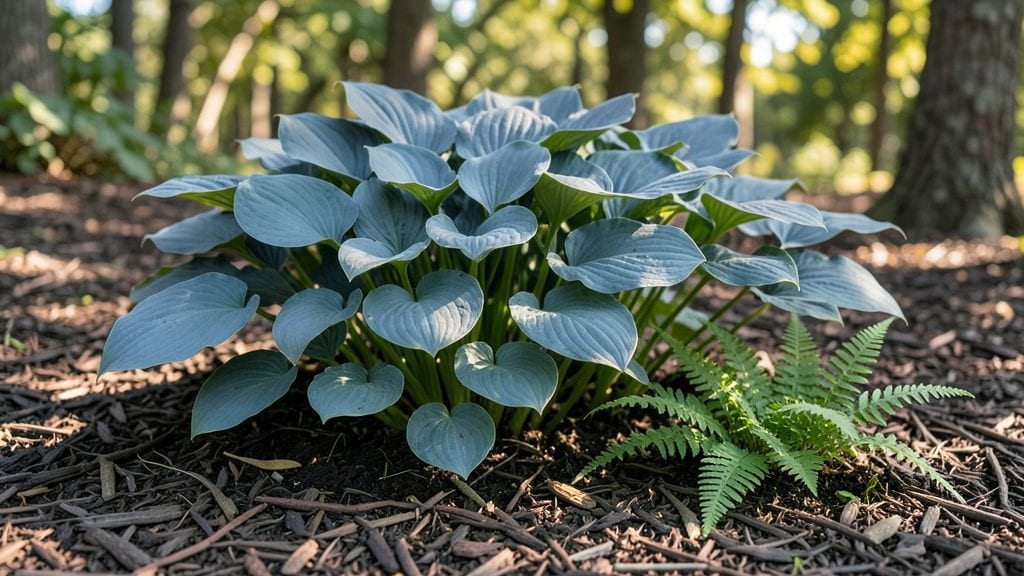
A part shade garden thrives where sun and shade playfully dance—neither too bright nor too dim. 🌿 I’ve designed these spaces for years, and they’re the secret to lush gardens where fragrant perennials and pollinators reign supreme, even in tricky light conditions.
The key? Matching plants to those 3-6 hours of morning sun or dappled shade, while still creating a vibrant, low-maintenance retreat.
The right plants make all the difference—think astilbe’s feathery plumes, hostas’ bold foliage, and bee balm’s buzzing blooms. These thrive where others struggle, and with the right layout, you’ll create layers that look stunning year-round.
I’ll show you how to mix shade-lovers with sun-seekers so no spot feels left out.
By the end, you’ll have a garden that smells like a meadow in spring, stays lush in summer, and still puts on a show in fall. The best part? It requires less fuss than full-sun gardens, yet delivers more color and life than pure shade ever could. Let’s get planting!
Whether you’re working with a woodland edge, a north-facing patio, or just a spot under trees, these strategies adapt easily. The goal? A garden that feels alive, even when the sun takes a break. Ready to transform that tricky patch into a pollinator paradise?
📚 In This Guide
- What you need
- Instructions
- Tips and common mistakes
- Wrapping up and next steps
What you need
- ● Soil amendments: Compost (5–10 gallons per 10 sq. ft.) – Boosts fertility and drainage.
- ● Organic mulch (e.g., shredded bark or pine needles, 2–3 inches deep) – Retains moisture and suppresses weeds.
- ● Plants (perennials & pollinator favorites): Fragrant options: Lavender, Russian sage, catmint, or peony (3–5 plants per variety).
- ● Pollinator powerhouses: Coneflower, bee balm, asters, or butterfly weed (5–7 plants per variety).
- ● Tools: Garden trowel or spade (for transplanting).
- ● Pruners (sharp, sterilized).
- ● Garden hose with adjustable nozzle or watering can (for gentle hydration).
- ● Measuring tape (to mark plant spacing).
- ● Prerequisites: Partially shaded area (4–6 hours of dappled sunlight daily).
- ● Well-draining soil (amend clay soil with sand or perlite if needed).
- ● Slow-release fertilizer (e.g., osmacote) for nutrient-boosting.
- ● Garden stakes or decorative trellises (for tall perennials like delphiniums).
- ● Rain gauge or moisture meter (to track watering needs).
- ● Wildflower seed mix (for spontaneous pollinator blooms).
- ● Decorative stones or edging (to define garden borders).
Step-by-Step design for a thriving part shade garden
Here’s how to create a lush, low-maintenance garden that thrives in dappled light.
🌿 Step 1: Assess and Prepare Your Shaded Space
First, map your garden’s light conditions throughout the day. Part shade typically means 4-6 hours of filtered sunlight—think dappled light under trees or along north-facing walls. Use a 4-inch layer of compost (from your materials list) to enrich the soil, improving drainage and nutrient retention. Avoid compacting the soil when amending; instead, lightly fork it in to create air pockets for roots.
Test soil moisture by squeezing a handful—it should hold together but not feel soggy. If your soil drains poorly, mix in 1 gallon of perlite per cubic foot to prevent root rot. Mark the garden’s boundaries with stakes to visualize the layout before planting.
🪴 Step 2: Select and Plant Pollinator-Friendly Perennials
Choose 4-6 hardy perennials like astilbe, hosta, or ferns, spacing them 12-18 inches apart to allow airflow. Dig holes twice as wide as the root ball but only as deep—planting too deep can suffocate roots. Gently tease out roots if they’re circling the container, then backfill with native soil mixed with 1 cup of slow-release fertilizer per plant.
Water deeply right after planting to settle the soil and eliminate air pockets. Mulch with 2 inches of shredded bark (from your materials) to retain moisture and suppress weeds. Avoid piling mulch against stems, as this can trap moisture and cause rot.
☀️ Step 3: Layer for Texture and Seasonal Interest
Add 3-4 ground covers like creeping phlox or ajuga to fill gaps and prevent soil erosion. Plant these 6-8 inches apart in the spaces between perennials. Their low-growing habit will soften the garden’s edges while providing year-round greenery. Pair them with 1-2 fragrant shrubs like mock orange or abelia for added scent and structure.
Incorporate 1-2 ornamental grasses (like carex or panicum) for movement and vertical interest. These thrive in part shade and add texture without competing for space. Water lightly after planting to encourage root establishment, then taper off once new growth appears.
💧 Step 4: Establish a Consistent Watering Routine
Water deeply 2-3 times per week during the first growing season, ensuring moisture reaches 6 inches down. Use a soaker hose to deliver water slowly at the base, avoiding wetting leaves to prevent fungal diseases. Check soil moisture by sticking your finger 1 inch deep—water when it feels dry.
Once established, most part-shade perennials need 1 inch of water weekly, though drought-tolerant varieties like heuchera may require less. Adjust based on rainfall, and always water in the early morning to reduce evaporation and fungal risks.
✂️ Step 5: Prune and Maintain for Long-Term Health
Prune spent blooms in early spring to encourage new growth, cutting back to the first set of healthy leaves. For grasses, cut back 2/3 of the height in late winter before new shoots emerge. Avoid heavy pruning in fall, as this can stress plants before dormancy.
Fertilize lightly in early spring with a balanced 10-10-10 formula, applying 1/2 cup per plant. Over-fertilizing in part shade can lead to leggy growth, so err on the side of caution. Monitor for pests like slugs or aphids, and address them early with neem oil or manual removal.
Tips & tricks for perfect part shade garden design
Creating a thriving part shade garden takes thoughtful planning—here are my hard-won insights to help you avoid common pitfalls and maximize beauty in low-light spaces.
Light Mapping is Everything: I can't stress enough how critical it is to observe your space throughout the day. The 4-6 hours of filtered sunlight mentioned in Step 1 often shifts with seasons. Use a white board to track sunlight patterns for at least a week before planting—this helps you position sun-loving perennials on the brighter side and shade-tolerant varieties where light is minimal. I once planted ferns in what I thought was part shade, only to discover they were getting too much direct afternoon sun and struggling.
Soil Prep Strategy: When amending soil in Step 1, focus on creating that perfect crumbly texture rather than just adding compost. The 4-inch layer should feel like a moist sponge—not compacted, not powdery. I've found that mixing in 1 gallon of perlite per cubic foot makes a dramatic difference in drainage, especially in clay-heavy soils. Pro tip: Work the perlite into the soil while it's slightly damp—it distributes more evenly and creates better air pockets.
Plant Spacing Secrets: The 12-18 inch spacing for perennials in Step 2 might seem generous, but trust me on this—crowding leads to competition for nutrients and increases disease risk. For ground covers in Step 3, I recommend starting with 6-8 inch spacing and filling in gaps as they spread naturally. This approach gives plants room to establish strong root systems before they need to compete. I've seen gardens where plants were crowded too soon, resulting in weak stems and poor flowering.
Watering Wisdom: The 2-3 times per week watering routine in Step 4 works perfectly for most part shade gardens, but timing matters just as much as frequency. I've learned that watering in the early morning (as specified) prevents fungal issues by allowing leaves to dry completely before nightfall. For the first growing season, I recommend checking soil moisture at 1 inch deep—if it's dry, water until moisture reaches 6 inches down. This deep watering encourages roots to grow downward rather than staying shallow.
Pro Tips for Part Shade Garden
- Creating a thriving part shade garden takes thoughtful planning—here are my hard-won insights to help you avoid common pitfalls and maximize beauty in low-light spaces.
- Light Mapping is Everything: I can't stress enough how critical it is to observe your space throughout the day.
- Soil Prep Strategy: When amending soil in Step 1, focus on creating that perfect crumbly texture rather than just adding compost.
Frequently asked questions
What’s the difference between part shade and full shade?
Part shade gets 3–6 hours of direct sunlight daily (morning sun + dappled light is ideal), while full shade gets less than 3 hours. Think of part shade as a "Goldilocks zone"—not too much, not too little! Plants like heuchera or astilbe thrive here, whereas ferns or hostas prefer full shade.
When’s the best time to plant part-shade perennials?
Spring (after last frost) or early fall (6–8 weeks before frost) are ideal. Spring planting gives roots time to establish before summer heat, while fall planting avoids drought stress. Avoid planting in scorching summer months—roots need moisture to settle in!
Which pollinator-friendly plants handle part shade best?
Try bee balm (Monarda), coneflowers (Echinacea), or Russian sage (Perovskia)—they’re tough, fragrant, and buzz-worthy! For hummingbirds, coral bells (Heuchera) or foxglove (Digitalis) add vertical interest. Pro tip: Group plants in clusters (3+ of each) to maximize pollinator visits!
What if my garden gets too much sun after planting?
Move heat-sensitive plants (like hostas or bleeding hearts) to shadier spots ASAP. If roots are exposed, water deeply to reduce stress. For long-term fixes, add tall ornamental grasses (e.g., Miscanthus) or a lattice trellis to cast shade. Mulch with wood chips to retain moisture too!
Can I replace sun-loving plants with shade-tolerant ones?
Swap out sun-hoggers like lavender or salvia for shade stars such as foxglove, lungwort (Pulmonaria), or Japanese anemone. Transition slowly: Dig up sun plants in early spring, amend soil with compost, and plant shade-lovers in their place. Avoid mid-summer swaps—roots need time to adjust!
| Quick Fixes for Shade Struggles |
|---|
|
Yellowing leaves? Check for overwatering or nutrient deficiency (add compost!). Leggy growth? Thin out crowded plants or prune to encourage bushiness. Pests? Neem oil or insecticidal soap works for aphids on part-shade perennials. |
Wrapping up and next steps
A part shade garden is your chance to create a fragrant, buzzing haven—even in less-than-sunny spots! 🌿 By choosing the right perennials, you’ll attract pollinators, fill your space with intoxicating scents, and enjoy low-maintenance beauty year after year.
The key? Start small, experiment with layers, and let nature guide your choices.
Ready to transform your garden? Pick one plant from this list and plant it this weekend—then watch your part shade oasis bloom with life and color! 🌸