Vegetables
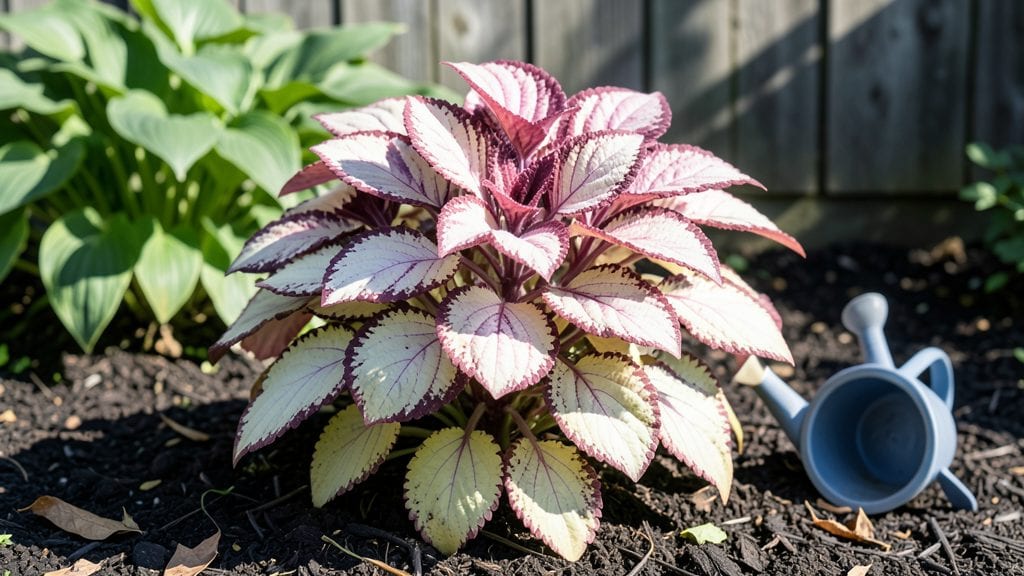
Rosy Dawn coleus plants turn shade gardens into lush, jewel-toned canvases with their velvety pink and burgundy leaves. 🌿 I first spotted them in a friend’s shady patio corner, and instantly knew they’d transform my own underutilized spots—no sun needed.
Their deep, glossy foliage thrives where other plants struggle, making them the perfect secret weapon for low-light areas.
Their real magic lies in how effortlessly they blend with other shade-loving plants. Pair them with dark purple heucheras for a moody contrast or brighten the mix with chartreuse sweet potato vines.
In containers, they become the star when combined with ferns and calatheas, creating a mini tropical paradise even on a balcony. The key? Keep soil consistently moist but well-draining—no fancy tricks, just consistent care.
What you’ll end up with is a garden that feels alive year-round, with foliage so vibrant it makes neighbors pause and ask questions. The colors deepen in cooler weather, and with proper pruning, they stay bushy and full.
This isn’t just about filling space—it’s about creating a mood, a focal point that draws the eye and lifts the spirit. Ready to bring that drama to your garden?
Works equally well in modern cottage gardens, urban courtyards, or even as a striking houseplant. The possibilities are endless once you see them in action—trust me, your shade garden will never look the same again.
📚 In This Guide
- What you need
- Instructions
- Tips and common mistakes
- Wrapping up and next steps
What you need
- ● Rosy Dawn Coleus Plants: 3–5 healthy nursery-grown plants (ensure they’re labeled as Solenostemon scutellarioides 'Rosy Dawn' for the signature pinkish-purple foliage).
- ● Well-Draining Potting Mix: 10–15 gallons of peat-free organic mix (e.g., Pro-Mix BX or FoxFarm Ocean Forest). Add perlite or vermiculite (1 part perlite per 4 parts soil) for aeration.
- ● Containers or Garden Beds: Containers: 5–10-inch diameter pots (one per plant) with drainage holes. Terracotta or fabric grow bags work best.
- ● Garden Beds: Partial to full shade spots (4+ hours of indirect light daily). Amend soil with 2–3 inches of compost for fertility.
- ○ Fertilizer: Balanced liquid fertilizer (e.g., Miracle-Gro All Purpose) diluted to half-strength. Fish emulsion (5-5-5) is optional for organic gardens.
- ● Watering Can or Hose with Adjustable Nozzle: For gentle, thorough watering (avoid soggy soil!).
- ● Pruning Shears: Sharp, clean shears (sterilize with rubbing alcohol between cuts).
- ● Gloves: Lightweight gardening gloves to protect hands from soil and sap.
- ● Mulch: 1–2 inches of cocoa hulls or shredded bark to retain moisture and suppress weeds.
- ● Plant Labels: Waterproof tags to track varieties (especially useful if mixing with other coleus!).
- ● Grow Lights (Indoor Gardening): LED full-spectrum bulbs (12–14 hours/day) if growing coleus inside.
- ● Slow-Release Granules: Osmocote Smart-Release (14-14-14) for low-maintenance nutrient release.
Step-by-Step guide to growing Rosy Dawn coleus in shade gardens
Here's how to cultivate these stunning plants with rich, velvety foliage—even in low-light spots.
🌱 Step 1: Select the Right Spot and Prepare the Soil
Rosy Dawn coleus thrives in partial to full shade, making it perfect for under trees or north-facing garden beds. Choose a location with 4-6 hours of filtered light daily—direct sun will scorch its delicate leaves. I always test the spot by placing a white plate where the plant will go; if it stays cool to the touch for most of the day, it's ideal.
Amend the soil with 2-3 inches of compost before planting to improve drainage and fertility. Coleus roots are shallow, so avoid heavy clay or waterlogged areas. If your soil drains poorly, mix in 1 part perlite to 3 parts soil—this prevents root rot, which is the biggest threat to these plants.
🪴 Step 2: Plant Coleus Starts at the Right Depth
Dig a hole twice as wide as the root ball but only as deep as the container it came in. Coleus roots are sensitive, so handle them gently—never tug or pull stems when removing from pots. Place the plant in the hole and fill around the edges with soil, pressing lightly to eliminate air pockets.
Water deeply right after planting to settle the soil and encourage root spread. You'll know it's done right when water drains freely from the bottom of the hole. Space plants 12-18 inches apart—this gives them room to grow without competing for nutrients, which keeps those signature rosy-pink leaves vibrant.
💧 Step 3: Water Consistently Without Overdoing It
Keep the soil evenly moist but never soggy. Coleus wilts easily when thirsty, but it also struggles in waterlogged roots. I check moisture by sticking my finger 1 inch deep—if it feels dry, it's time to water. In shade gardens, you'll likely water every 2-3 days in warm weather, but adjust based on rainfall.
Water at the base of the plant in the morning to reduce fungal risks. Avoid wetting the leaves, as this can promote leaf spot diseases. If you notice the edges of leaves turning yellow, it's a sign of overwatering—cut back immediately and let the top inch of soil dry out before watering again.
✂️ Step 4: Prune for Bushier Growth and Vibrant Color
Pinch back the top set of leaves when the plant reaches 6 inches tall to encourage branching. This is where the magic happens—your coleus will fill out faster and develop more of those stunning rosy-pink hues. Use clean, sharp scissors to make cuts just above a leaf node (the bump where leaves grow).
Deadhead any yellow or damaged leaves immediately to keep the plant looking its best. I also rotate my pots a quarter turn weekly so all sides get even light exposure—this prevents leggy growth and ensures uniform color development. If your coleus starts to look tired by late summer, a light trim back by one-third will rejuvenate it for a second flush of growth.
☀️ Step 5: Protect and Extend the Season
As temperatures drop below 50°F, bring potted coleus indoors near a bright window or under grow lights. These plants are tender perennials and won't survive frost. If you're growing them in the ground, mulch with 2-3 inches of straw to insulate roots and keep soil temperatures stable.
To overwinter successfully, reduce watering slightly and avoid fertilizing. In spring, you can propagate cuttings from your healthiest stems—just dip in rooting hormone, place in moist perlite, and cover with a plastic bag until roots form. With proper care, your Rosy Dawn coleus will reward you with bold, velvety foliage all season long.
Tips & tricks for perfect Rosy Dawn coleus care
Here's what I've learned after growing these stunning plants for years—the little details that make all the difference for vibrant, healthy coleus.
Light Testing Trick: In Step 1, when testing your spot with a white plate, place it there for at least 2 hours during the hottest part of the day. If it stays cool (not warm), you've got the perfect shade location. I've seen people place it for just 30 minutes and get burned leaves later—trust me, patience pays off here. The 4-6 hours of filtered light should feel gentle, not intense.
Root Handling Secret: When planting in Step 2, gently squeeze the root ball to loosen it slightly before placing in the hole. This encourages roots to spread out immediately rather than staying in a tight clump. I also avoid pressing soil too firmly around the roots—just enough to eliminate air pockets. Think "light and airy," not compacted. This helps prevent root rot, which is coleus' biggest enemy.
Watering Hack: For Step 3's 2-3 days watering schedule, I use a simple rule: if the top inch of soil feels like a damp sponge (not wet, not dry), you're golden. In containers, I water until it drains freely from the bottom—this ensures even moisture throughout the root ball. And here's a pro move: use a spray bottle with rainwater (if possible) for the leaves if they do get dusty—it makes them look even more velvety!
Pruning Timing: When pinching back in Step 4, aim for the 6-inch mark but don't wait until the plant is leggy. I check my coleus every 3-4 days and pinch when I see the 4th leaf set forming. This keeps the plant bushy and vibrant. For that one-third trim in late summer, I always do it in the morning—this gives the plant the whole day to recover before evening moisture can stress it.
Pro Tips for Rosy Dawn Gardens Coleus
- Here's what I've learned after growing these stunning plants for years—the little details that make all the difference for vibrant, healthy coleus.
- Light Testing Trick: In Step 1, when testing your spot with a white plate, place it there for at least 2 hours during the hottest part of the day.
- Root Handling Secret: When planting in Step 2, gently squeeze the root ball to loosen it slightly before placing in the hole.
Frequently asked questions
Got questions about growing Rosy Dawn Coleus? You’re not alone—this stunning shade-loving plant is packed with personality! Here are answers to the most common queries to help you cultivate a thriving garden.
How much sunlight does Rosy Dawn Coleus really need?
While it thrives in partial shade (4–6 hours of dappled light daily), it can tolerate full shade in hot climates. Avoid harsh afternoon sun, which can scorch its delicate leaves. A north- or east-facing spot is ideal for vibrant foliage!
How often should I water Rosy Dawn Coleus?
Keep the soil consistently moist but not soggy. Water when the top inch feels dry—usually every 2–3 days in warm weather. Overwatering causes root rot, so ensure pots have drainage holes or well-draining garden soil.
When and how should I prune Rosy Dawn Coleus?
Prune in spring or early summer to encourage bushier growth. Snip just above a leaf node with clean scissors, and pinch back leggy stems. Deadhead faded blooms (if any) to redirect energy to foliage. Pro tip: Use pruned cuttings to propagate new plants!
What pests commonly attack Rosy Dawn Coleus?
Watch for aphids, spider mites, or whiteflies, especially in dry conditions. Blasts of water or neem oil spray can deter them. Yellowing leaves may signal thrips—isolate the plant and treat with insecticidal soap.
Can I grow Rosy Dawn Coleus in containers?
Use a well-draining pot (10–12 inches deep) with a mix of potting soil and perlite. Containers dry out faster, so check moisture daily. Choose a pot with good airflow to prevent fungal issues.
Will Rosy Dawn Coleus survive winter outdoors?
In USDA Zones 9–11, it’s perennial and may overwinter with mulch. In colder zones, dig up tubers or bring potted plants indoors before frost. Pro tip: Reduce watering in dormancy (late fall/winter) to prevent rot.
Wrapping up and next steps
Transforming your shade garden with Rosy Dawn Coleus is a rewarding journey that brings bold color and easy-care beauty to your outdoor space. 🌿 Whether you're a seasoned gardener or just starting, these vibrant plants prove that shade gardens can be just as stunning—and low-maintenance—as their sunlit counterparts.
Ready to dive in?
Your next step? Pick your favorite variety and get planting! Start small with a single pot or go big with a full garden bed—either way, you’ll be greeted with rosy dawns of color all season long. Happy gardening! 🌸