Vegetables
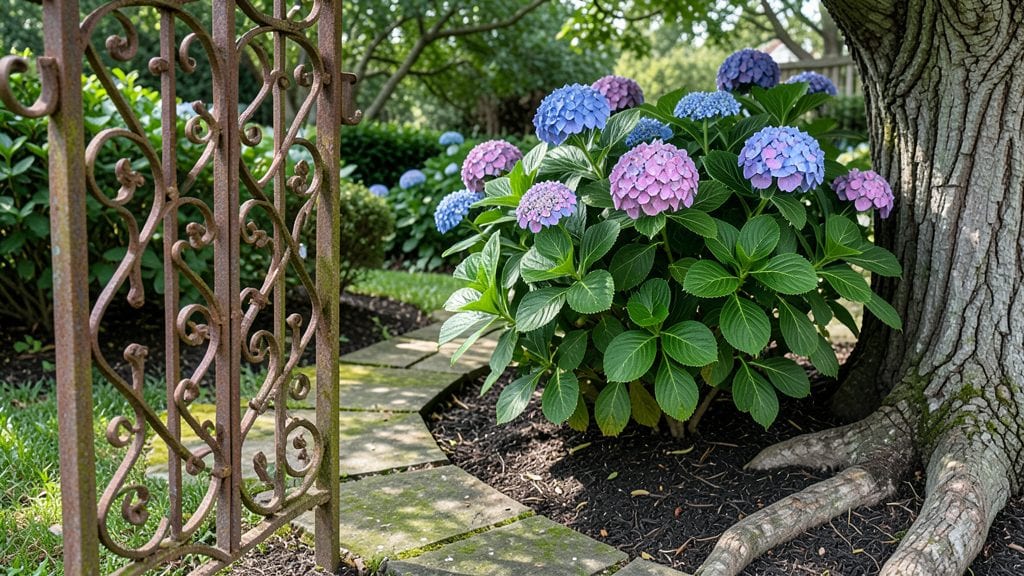
Unveiling the beautiful secret gardens hidden among your existing plants turns forgotten corners into fragrant, living retreats where edible beauty thrives unseen—lavender and thyme tucked beside nasturtiums, their petals edible and... their scent intoxicating.
This isn’t just a garden; it’s a sensory escape where every step reveals another layer of color, texture, and aroma.
Start small with a 4-foot square corner or a tucked-away bed, using a mix of low-growing herbs like oregano and chamomile alongside trailing flowers such as alyssum or sweet alyssum.
Add vertical interest with a simple trellis draped in jasmine or clematis, their vines spilling over to create a natural canopy. The magic happens in the details: smooth river stones for paths, a tiny wooden bench, or even a hidden birdbath to draw in pollinators.
By summer’s end, you’ll have a lush, fragrant hideaway where herbs like mint and lemon balm mingle with blooms of calendula and borage. The air hums with their combined scents, and the space becomes a quiet refuge—perfect for morning tea or afternoon reading.
This garden doesn’t just grow plants; it nurtures moments of peace and discovery.
The best part? It adapts to any space—whether it’s a shady nook under a tree or a sunny patch behind the garage. Use what you have: old pots, repurposed wood, or even a simple rope swing to add charm.
The goal isn’t perfection, but a place that feels like stepping into another world, one where beauty is the only rule.
📚 In This Guide
- What you need
- Instructions
- Tips and common mistakes
- Wrapping up and next steps
What you need
- ● Herb Seeds or Seedlings: Basil (6-8 plants)
- ● Thyme (4-6 plants)
- ● Rosemary (2-3 plants)
- ● Lavender (3-5 plants)
- ● Chives (4-6 plants)
- ● Edible Flowers: Nasturtiums (10-12 seeds)
- ● Pansies (8-10 seeds)
- ● Calendula (5-6 seeds)
- ● Borage (3-4 seeds)
- ● Potting Soil: 10-15 gallons of high-quality, well-draining potting mix (look for organic or peat-free options).
- ● Containers: 4-6 medium-sized pots (10-12 inches in diameter)
- ● 1-2 large planters (18-24 inches in diameter) for taller plants like rosemary
- ○ Optional: Hanging baskets (for trailing herbs like thyme or nasturtiums)
- ● Gardening gloves (1 pair)
- ● Trowel or small shovel
- ● Pruning shears (for trimming herbs and flowers)
- ● Watering can with a fine rose nozzle (or a spray bottle for delicate seedlings)
- ● Measuring cup (for soil amendments)
- ○ Optional: Mulch (straw or pine needles, 2-3 bags)
- ○ Optional: Decorative stones or pebbles (for aesthetics)
- ● A sunny spot! Aim for 6-8 hours of direct sunlight daily (south or west-facing is ideal).
- ● Access to water (a nearby hose or water source for easy maintenance).
- ● Pro Tip: 💡 If your space lacks sunlight, opt for herbs like mint or parsley that tolerate partial shade.
- ○ Optional: A trellis or small fence (for climbing plants like borage or nasturtiums).
How to create a fragrant herb and flower secret garden
Transform any hidden corner into a lush, fragrant retreat with this easy blend of edible beauty.
Choose the Perfect Hidden Spot
Select a location that receives at least 6 hours of sunlight daily—morning sun with afternoon shade works best for delicate blooms. I look for areas with natural dappled light, like under a tree canopy or along a north-facing fence. The soil should drain well, so avoid low spots where water pools after rain. A 4-foot by 4-foot area gives you plenty of room to layer plants while keeping it intimate.
Clear away weeds and debris, then loosen the top 6 inches of soil with a garden fork. This aerates the ground and helps roots establish faster. If your soil feels compacted or heavy, mix in 2 inches of compost to improve drainage and fertility. The goal is loose, crumbly soil that holds moisture without becoming soggy.
Design Your Fragrant Layers
Start with a tall backdrop of lavender or rosemary—these drought-tolerant plants add height and fragrance while thriving in poor soil. Place them along the back edge of your garden, spacing them 12 inches apart. Next, add medium-height herbs like thyme or oregano, which spread gently and fill the middle layer. These should go 8 inches apart to allow room for growth.
For the front layer, choose low-growing flowers and edible blooms like nasturtiums, pansies, or borage. These add vibrant color and delicate scents while staying compact. Space them 6 inches apart so they don’t crowd the taller plants. I like to weave in moss or creeping thyme between plants to soften the edges and keep weeds at bay.
Plant with Care for Long-Lasting Beauty
Dig small holes for each plant, just deep enough to cover the roots without burying the stems. Gently remove plants from their containers and tease apart any tangled roots. Place them in the holes, then firm the soil around the base with your hands. Water deeply right after planting to settle the soil and encourage root contact.
Mulch the entire area with 2 inches of shredded bark or straw to retain moisture and suppress weeds. Avoid piling mulch against plant stems—keep it 2 inches away to prevent rot. Water lightly every 2-3 days until the plants are established, then reduce to once a week once they’re growing steadily. You’ll know they’re thriving when new leaves appear and stems stay upright.
Maintain for Year-Round Fragrance
Deadhead spent blooms regularly to encourage more flowers and keep the garden looking tidy. Pinch back leggy stems on herbs like mint or basil to promote bushier growth. I also trim lavender lightly after flowering to maintain its shape and prevent woody stems. Water in the early morning to reduce evaporation and fungal risks.
Fertilize lightly in early spring with a balanced organic fertilizer to support new growth. Avoid heavy feeding—these plants thrive in lean soil. If you notice leaves yellowing, it’s often a sign of overwatering. Let the soil dry out between waterings, and you’ll see stronger, healthier plants. With this care, your secret garden will stay fragrant and beautiful for years.
Tips & tricks for perfect secret gardens
Creating a fragrant herb and flower garden that thrives requires attention to detail—here's how to ensure your secret garden becomes a lush, sensory experience.
Sunlight Strategy: The 6 hours of sunlight mentioned in Step 1 is crucial for delicate blooms, but don't assume all sun is equal. Morning sun with afternoon shade creates the perfect balance—delicate flowers like pansies will scorch in full afternoon heat. If your spot gets intense afternoon sun, consider adding some afternoon shade with a sheer fabric or nearby tree branches. This mimics the natural dappled light conditions these plants love.
Soil Preparation Tip: When loosening the top 6 inches of soil in Step 1, take it a step further by creating small mounds for your taller plants like lavender. This improves drainage for their roots while keeping the soil loose and crumbly as recommended. For the 2 inches of compost, mix it thoroughly with the native soil rather than creating a separate layer—this ensures even moisture distribution and prevents compaction.
Plant Spacing Secret: The spacing measurements in Step 2 are designed to prevent overcrowding, but there's a trick to making them work even better. For the 12-inch spacing of lavender or rosemary, use a simple string line to create straight rows—this makes your garden look more intentional and professional. For the 6-inch spacing of front-row flowers, consider planting in a staggered pattern rather than straight lines—this creates a more natural, flowing look while still preventing competition between plants.
Watering Wisdom: The 2-3 day watering schedule in Step 3 works well, but timing matters just as much as frequency. Always water in the early morning as suggested, but aim for watering between 6-8am when temperatures are cooler. This reduces evaporation and gives plants time to absorb moisture before the heat of the day. In hot climates, you might need to water more frequently, but always check the soil first—it should be dry about 1-2 inches down before watering again.
Pro Tips for Beautiful Secret Gardens
- Creating a fragrant herb and flower garden that thrives requires attention to detail—here's how to ensure your secret garden becomes a lush, sensory experience.
- Sunlight Strategy: The 6 hours of sunlight mentioned in Step 1 is crucial for delicate blooms, but don't assume all sun is equal.
- Soil Preparation Tip: When loosening the top 6 inches of soil in Step 1, take it a step further by creating small mounds for your taller plants like lavender.
Frequently asked questions
Got questions about creating your own beautiful secret gardens? You’re not alone!
Here are some of the most common queries—plus practical answers to help you grow edible beauty with confidence.
What’s the best time of year to plant a secret garden?
For fragrant herbs and edible flowers, spring (after the last frost) and early fall are ideal. Most varieties thrive in mild temperatures—think lavender, nasturtiums, or basil—but check seed packets for specific timing. If you’re in a warm climate, winter planting can work too!
How long does it take to see results?
Edible flowers and herbs like pansies, calendula, or chives often bloom in 4–8 weeks from seed, while perennials (e.g., rosemary or thyme) may take 6–12 months to fully flourish. Patience pays off—your garden will reward you with color, scent, AND flavor!
Are there budget-friendly alternatives to expensive seeds?
Absolutely!
Start with cuttings from existing herbs (like mint or oregano), save seeds from store-bought veggies (tomatoes, peppers), or swap with local gardening groups. Even dollar-store pots work—just ensure they have drainage!
How do I keep pests away without chemicals?
Try these natural defenses:
- Companion planting: Pair herbs like basil with tomatoes or marigolds with veggies to repel pests.
- Neem oil spray (diluted) deters aphids and caterpillars.
- Handpick pests early—especially slugs (use beer traps or copper barriers!).
Most edible flowers are pest-resistant, so focus on prevention!
Can I grow a secret garden in small spaces like balconies?
Yes—and it’s perfect for urban gardeners! Use hanging baskets, vertical planters, or window boxes for herbs like thyme, parsley, or nasturtiums. Even a 6-inch pot can grow edible flowers like pansies or violas. Just ensure 6+ hours of sunlight daily.
Wrapping up and next steps
Beautiful secret gardens aren’t just a dream—they’re a delicious, fragrant reality waiting to bloom in your own space! 🌸 Whether you’re a seasoned gardener or a curious beginner, these edible herb and flower blossoms bring color, flavor, and magic to your plate (and your soul).
Start small: pick one plant to nurture, or go all out and create a full sensory escape.
Your next step? Roll up your sleeves and play! 🌱 Grab your tools, pick a sunny spot, and let your green thumb (or curious heart) guide you. Every seed planted is a step toward a garden—and a life—filled with beauty you can eat, smell, and love. Happy growing!