
Landscaping
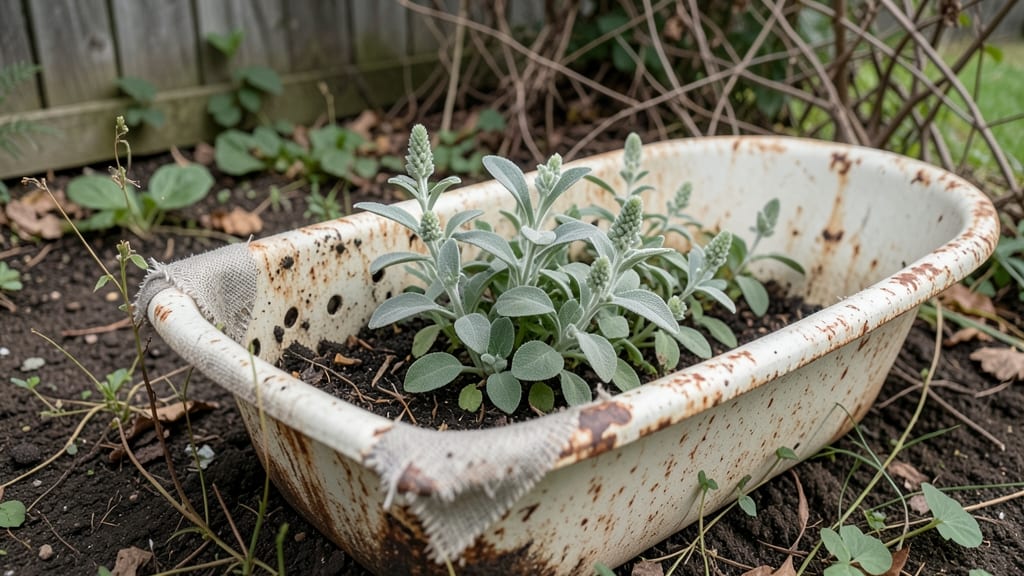
Old bathtub garden ideas turn discarded tubs into chic vertical planters for herbs, veggies, or succulents with simple prep—scrub clean, drill drainage holes, and line with fabric before adding soil. Opt for lightweight crops like cherry tomatoes or peppers if you want to move it around, or go for hearty herbs like rosemary for stability. A fresh coat of paint or stain makes it decor-friendly, and saucers prevent water damage. This zero-waste trick breathes new life into old fixtures while creating functional garden art.
Upcycling a bathtub into a planter isn't just creative—it's practical for small spaces or urban balconies where traditional gardens won't fit. 🌱 The key is matching your tub's size to the plants: shallow tubs work great for strawberries or lettuce, while deeper ones can handle tomatoes or peppers.
I've seen people add wheels to their tubs for easy repositioning in sunlight, or stack them vertically for tiered displays. The drainage holes are non-negotiable, though—skipping them leads to root rot faster than you'd think.
What's surprising is how many people overlook the decorative potential. A simple spray-paint job can turn a rusty tub into a statement piece that complements your patio furniture. For extra durability, consider sealing the inside with a non-toxic liner before adding soil.
And if you're worried about weight, remember that most bathtubs can handle up to 50 pounds of soil and plants when properly supported.
💡 In This Article
- How to Repurpose Bathtubs for Urban Gardening
- Best Plants for Bathtub Gardens by Climate and Style
How to repurpose bathtubs for urban gardening
The first critical step is transforming your old tub into a functional planter by addressing its original design flaws.
Most bathtubs lack drainage, so you'll need to drill holes along the bottom edge using a 1/4-inch drill bit—this mimics natural rainfall while preventing soggy soil. 🌧️ The spacing matters: place holes about 4-6 inches apart for optimal airflow.
For extra stability, consider cutting out the drain plug area entirely and covering it with hardware cloth to keep pests out while allowing water to escape. This modification prevents root suffocation, which occurs when excess moisture traps oxygen-depriving bacteria in the soil.
Weight distribution becomes crucial when selecting plants and tub placement. A standard porcelain tub holds roughly 50-70 pounds when filled with soil and plants, but this varies by material—fiberglass tubs support less (30-40 pounds) while acrylic can handle up to 80 pounds.
For heavy tubs, reinforce with 2x4 lumber supports under the edges or add plastic casters (like those used under office chairs) for mobility.
The science here involves stress points: placing the tub's weight over a stable surface (like a patio slab) prevents cracking, while uneven weight causes porcelain to develop micro-fractures over time.
Soil preparation requires a lighter mix than ground soil to prevent compaction. Use a blend of 50% potting mix, 30% perlite, and 20% compost for optimal drainage and aeration. This ratio mimics the loose texture of forest floor soil, which supports root respiration.
For water retention, add 2 tablespoons of hydroponic clay pellets per gallon of mix—they absorb and release moisture like a sponge, reducing your watering frequency by up to 40%. 💧 Pro tip: Line the tub with landscape fabric before adding soil to prevent clogging of drainage holes over time.
Plant selection should align with your tub's dimensions and sunlight exposure. Shallow tubs (6 inches deep) work best for shallow-rooted plants like lettuce or thyme, while deeper tubs (12+ inches) can accommodate tomatoes or peppers.
For windy areas, choose compact varieties like 'Patio' pepper plants (which grow 18 inches tall) over vining types. The key is matching plant maturity size to your tub's dimensions—overcrowding leads to competition for nutrients and stunted growth.
For example, a 4-foot-long tub can comfortably hold four basil plants spaced 12 inches apart.
Watering strategies must account for the tub's material and plant types. Porcelain tubs retain moisture longer than fiberglass, so succulents in porcelain may need watering every 2-3 weeks compared to weekly for herbs.
Install a drip irrigation system with a timer set for 10-15 minutes daily to maintain consistent moisture without overwatering. The saucer beneath the tub serves a dual purpose: catching overflow while providing a visual cue for when watering is needed (when it's empty).
For tropical plants, consider adding a 1-inch layer of pebbles at the bottom before soil to improve drainage and prevent root rot.
For creative displays, consider nesting tubs of different sizes to create vertical gardens. Place smaller tubs inside larger ones, filling the gaps with trailing plants like sweet potatoes or nasturtiums.
This maximizes space while adding visual interest. 🌿 For urban balconies, attach a bungee cord system to the tub's handles and your railing to prevent wind tipping—this is especially useful for tubs over 30 pounds.
The structural integrity here relies on proper weight distribution: keep the heaviest plants in the center and lighter ones at the edges.